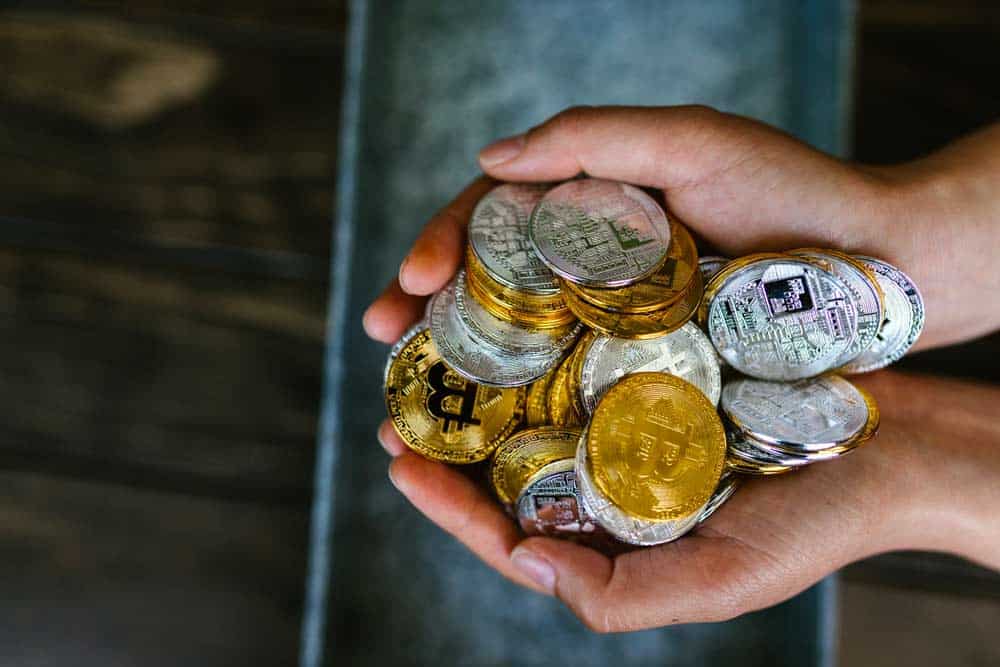
Cryptocurrency in 2020: My 5 Predictions

Cryptocurrency in 2020: My 5 Predictions

Last week I dust off my winter coat, with the persistent cold. In the crypto scene, however, it was one big “winter” all year round, after the Bitcoin’s price dropped to $ 3,000 in December 2018, after having peaked at $ 20,000 in December 2017. In the months that followed, the price rose again until nearly $ 14,000 in July, but in the meantime, only half of that has been left by a pike dive off the course. Unfortunately, the predictions by self-proclaimed experts that the price would rise again to the old record or even higher to $ 50,000, $ 100,000 or even $ 1,000,000 did not come true. Whether that is due to the disappointing launch of BAKKT, the absence of a first ETF or institutional glow wave is difficult to say.

A harsh winter is always good for dying pests, just like in the crypto scene. Over 80% of the projects that did an Initial Coin Offering (method of raising money through crypto-currency) turned out to be an outright scam and research of the most popular crypto-currency website Coinmarketcap shows that of the top 2000 crypto projects, a quarter hasn’t posted an update on code platform Github for more than a year and even a third didn’t do this in the past 5 years.

“Winter is a season to struggle through, to endure, and the price we pay for the brilliant and beautiful spring that follows.”

Erik Voorhees

Na een strenge winter komt altijd de lente en zoals ik al in mijn vorige blog schreef, hebben de projecten die de winter hebben overleefd, allerlei prachtige vorderingen gecommuniceerd en ligt er veel moois in het verschiet voor 2020. Bijna 20% van de wereldbevolking heeft inmiddels wel eens cryptovaluta gekocht volgens Kaspersky en worden volgens Deloitte bedrijven ook steeds positiever.

Kaspersky

After a harsh winter, spring always follows and, as I wrote in my previous blog, the projects that survived the winter have communicated all kinds of wonderful progress and there are many beautiful prospects for 2020. Nearly 20% of the world’s population bought cryptocurrencies according to Kaspersky and according to Deloitte, companies are also becoming more positive about using them.

Source: Statista
Source: Statista

The crypto scene is one of the few environments I know, that is changing so rapidly at the moment. Prices, new technological developments, actions taken by governments, from one day to the next, have a major impact on issues such as price levels, use and further development of cryptocurrency. Nevertheless, a number of major developments are expected in 2020, which will certainly have a great impact on cryptocurrency.

1) Bitcoin’s Halving

Analyzing the crypto news from the past months, it is mainly about just 1 event that will take place; the ‘halving’ of Bitcoin, which is expected in May 2020. The reward for the ‘miners’ of the Bitcoin blockchain network will then be halved and historically this has always led to a price increase of a few hundred percents, due to, among other things, the decreasing available number of Bitcoins. However, the opinions are divided, because there are also experts who mark the price increase of last year (from $ 3000 to $ 13000) as the corresponding price increase as a “halving effect”.

Some even see the declining reward as something that will actually negatively influence the price, because it is no longer interesting for many small miners to switch on their computers and maintain the Bitcoin blockchain network. With earlier ‘halvings’ the price always increased towards the beginning of the month, so in the first quarter, we will immediately see if it will be the long-awaited catalyst, which not only increases the value of the Bitcoin, but also the strongly connected altcoins, which almost always rise exponentially. Are we going to see a new “all-time high”? Or will it be the biggest deception of cryptocurrency owners in two years? The first months of 2020 will tell!

2) Libra

Recently, at the European Commission’s annual blockchain event in Malaga, I heard the head of Facebook’s Libra talking about their plans for 2020. The company has recently been overwhelmed by loads of negative responses from governments to its latest project and it’s not even certain whether the project will be launched at all. In Europe, Germany, France, and Italy are working on measures to ban the project and the launch in the United States is not yet certain, even though CEO Zuckerberg recently announced that they will only launch if the regulators are fully in line with that. He also warned his investors that the project may not be launched at all. Other top management of the social network published criticism about the project and a number of important shareholders from the first hour; Paypal, Visa, and Mastercard declined their participation, probably under high pressure from the American regulators.

Social Media

In my earlier blog about Libra, I already indicated that I have mixed feelings about the new project. The cesspool with affairs around Facebook seems to be drying up, and the question is whether we want to entrust something so precarious like our financial data (according to Dutch National Bank research, the most privacy-sensitive data for consumers) to the social media company. On the other hand, we still have 1.7 billion (!) people without bank accounts, of which 1 billion have a mobile phone.

According to the World Bank, they now pay high rates (on average 7%) for transferring and receiving money through a third party and therefore cannot save money. Something that the economic growth of a country can contribute significantly to achieving various Social Development Goals of the United Nations. McKinsey even calculated that this $ 3.7 trillion can contribute to the GNP of developing countries in the next 10 years.

Major Concerns

Central banks, such as our Dutch National Bank, all point to two major concerns; the stability of the financial system; what will happen when Libra is so large, that it will have an impact on the monetary policy of the banks? And the question of how the company counteracts money laundering (AML) and identifies all actors on the network (KYC) to combat terrorism financing, for example, have both not made clear yet.

Next year will, therefore, be an interesting year, not just for Libra. Other large companies, such as Wallmart, are also working on their own digital currencies and various governments are now also accelerating their efforts to look seriously at their own digital currencies, such as the European Union and China. There are also companies that stand behind the governments and indicate that the money system should remain in the hands of governments, as Apple’s CEO Tim Cook recently indicated. However, the business case remains very interesting; various studies have shown that consumers spend much more with digital forms of money than with cash, also known as the “house money effect”. The adoption of such a system, even according to the developers of Libra, will take many, many years to come.

3) Big money

I think it has been one of the biggest deceptions last year in the cryptocurrency scene; the introduction of BAKKT. The platform would, on the one hand, allow efficient buying, selling, issuing and storing of cryptocurrencies and, on the other hand, the use of large parties such as Starbucks (with 30,000 branches) which had until recently, more digital payments made than with Apple Pay (in the United States). This was supposed to cause a huge demand for Bitcoin, which would, of course, have a positive effect on the price. Unfortunately, the enthusiasm for the platform was disappointing and the price of Bitcoin fell 19%.

As the parent company owns the largest stock exchanges such as the New York Stock Exchange and cooperates with established names such as Microsoft and BCG, the platform must primarily inspire institutional investors, such as pension funds, to invest large sums of money in cryptocurrency. That did not happen before, because the infrastructure simply lacked and the coins are too volatile in value. Both things that BAKKT eliminates with its platform.

Cryptocurrency market

It is no secret that large investors are eager to enter the cryptocurrency market. In the corridors of a number of large Dutch banks, it is indicated that their private bankers will advise rich clients to invest 5–10% in cryptocurrency in 2020 and many managers of ‘family offices’ (management offices of very wealthy individuals/families) who I speak, are also working on this. Crypto-currency companies like Coinbase indicate that they receive hundreds of millions per week from institutional investors to save or trade in futures. The great thing about blockchain is that everything is transparent, so also the transactions and size of digital wallets. A recent analysis of all Bitcoin wallets here shows a very strong increase in wallets of large size.

Because only 21 million Bitcoins can be made and 4 million are lost, the number of scarcity is increasing and that is increasing, which of course is good for the price.

The big money is visible and invisible already busy entering the market, I am curious what effect this will have in 2020 on the prices of the various cryptocurrencies and of course further development of the whole.

4) Further development of projects

Shrew mice live on average only 1–1.5 years and are therefore the shortest living animals on earth. In that respect, they resemble blockchain projects, which also have an average lifespan of 1.12 years, Chinese research among all 80,000 projects revealed.

With Bitcoin’s insane price increase, which is $ 7,500 at the time of writing, many fortune seekers are looking for a cryptocurrency that also has the potential to “moon” (crypto language for a price increase of hundreds of percent). Because of the short lifespan of most projects, a few people have become very wealthy due to the right investment, but the large masses have simply lost a lot of money by selling or selling them too late. In the Netherlands alone, about half a million consumers invested nearly a billion euros in cryptocurrencies, and because most of them bought them at the top of the market, most people are still overdrawn with their investment.

Setup a Project

In my earlier blog I already wrote several tips when looking for the “new Apple” and indicated here that it is especially very important to thoroughly screen the projects on different points; “Do Your Own Research”. You are not just going to send money to a company where you are not even sure where they are located, whose team does not have the knowledge to set up such a project or where little information can be found on the internet? In the madness at the end of 2017, many people haphazardly put money into projects without sorting out these kinds of things, leaving many billions of euros in the pockets of fraudsters setting up fake projects or simply a handful of people who sold on time to a large group of people, who subsequently saw their investments fall in value rapidly.

Many greats in cryptocurrency continue to designate Bitcoin as sole ruler and expect all other cryptocurrencies to quickly take a seat on the “Crypto Graveyard.” I myself still believe in several other projects that have already moved away from large user groups, published several major updates and are still going through many great developments in 2020.

DAPPS

In addition to Bitcoin, Ethereum is often mentioned as the “Microsoft” of cryptocurrency but has received serious competition from, among others, EOS and TRON. If we look for example at the number of Decentralized Apps (DAPPS) on Dappradar, we see that of the top 50, only 3 on the Ethereum network and the rest on that of the two competitors. It is the project, which enjoys a lot of respect in the cryptocurrency and blockchain community because it brought a major step forward in the development of technology by not only facilitating payments but also introducing “smart contracts” and “dapps”.

In 2020, the major (2.0) update of its network is on the “Serenity” program, with which Ethereum makes a supercomputer by introducing a different and much more energy-efficient “consensus method” for validating the transactions; “Proof of Stake” and implemented various solutions to make the network scalable, such as Sharding, Plasma, and Raiden. With the rapidly increasing trend around DAPPS and possible approval of regulated futures, this can all be very positive for the exchange rate of the currency.

Other projects that are taking major steps are Ripple, which has already connected 200 banks to its network and which could replace SWIFT (the organization that now controls the global financial system), Vechain, BAT, EOS, IOTA and TRON.

5) Regulation

Governments worldwide work overtime to regulate the rapid emergence of cryptocurrencies and companies in the industry. As long as it does not (very much) hinder its innovation, I am very much in favor of it, since it not only reduces the chance that cryptocurrencies are used for criminal activities such as money laundering, but it also gives greater certainty to the large investors and therefore makes them faster let enter the market.

One of the core tasks of governments is to protect their citizens. After the many scandals surrounding cryptocurrencies in recent years, where consumers lost a lot of money by investing in ‘fake projects’ and / or entrusting them to trade fairs that went bankrupt for mysterious reasons, such as QuadrigaCX, the Dutch government also takes this task dead serious. It even wants to take the lead in the European field, with its laws and regulations. The AMLD5 legislation will come into effect immediately in January, in which crypto-currency exchanges and custodians (wallets) will be required to register with the Dutch National Bank, receive a review of the suitability of directors and shareholders and must demonstrate that their business processes are designed for money laundering ( AML) and counter-terrorism financing.

According to Minister Hoekstra of finance, the main objective is to combat money laundering.

All Dutch companies that I know that have to comply with this legislation are now proactively working on the implementation of the DNB and most of them are already compliant.

With the above-mentioned expectations for 2020 in the crypto-currency area, I am extremely curious as to what is going to happen; what all will actually happen and what effect it will have on the industry. According to many experts, Bitcoin is going to “go on or under”, I think it will mainly be a year of rapidly increasing maturity and further technological development of the industry.

Jan Scheele is active in the web3 (blockchain, crypto, NFTs, DeFi) industry since 2013. Besides (former) CEO of a web3 scaleup and founder of an advisory boutique (working for governments, family offices and several multinationals), he is Digital Leader at the World Economic Forum and Board Member at the Blockchain Netherlands Foundation (BCNL). He is writing, consulting, speaking and training regularly about everything web3, all over the world. Furthermore, he is currently finalizing his book about the rise and global impact of blockchain technology.

Cryptovaluta: de 5 belangrijkste ontwikkelingen voor 2020

Cryptovaluta: de 5 belangrijkste ontwikkelingen voor 2020

In het land van cryptovaluta was het het hele jaar één grote ‘winter’. De prijs van Bitcoin zakte na een piek van $20.000 in december 2017 naar $3000 in december 2018. In juli 2019 steeg de prijs toch weer tot bijna $14.000, maar inmiddels is daar door een snoekduik van de koers nog maar de helft van over. De voorspellingen door zelfbenoemde experts – dat de prijs wel weer zou stijgen tot het oude record of zelfs hoger – zijn helaas niet uitgekomen. Of dat komt door de tegenvallende lancering van Bakkt, het uitblijven van een eerste ETF of een institutionele gloedgolf? Dat valt lastig te zeggen. Welke ontwikkelingen spelen er op het gebied van cryptocurrencies?

Komt na een strenge crypto-winter de lente?

Een strenge winter is altijd goed voor het laten sterven van ongedierte, zo ook in cryptovalutaland. Meer dan 80% van de projecten die een Initial Coin Offering (methode om geld op te halen door middel van cryptovaluta) deden, bleken een regelrechte scam te zijn. Onderzoek van de populairste cryptovalutawebsite Coinmarketcap laat zien dat van de top 2000 cryptoprojecten er een kwart al meer dan een jaar geen update op codeplatform Github heeft geplaatst. Een derde zelfs al niet meer in de afgelopen 5 jaar.

Winter is a season to struggle through, to endure, and the price we pay for the brilliant and beautiful spring that follows. – Erik Voorhees

Na een strenge winter komt altijd de lente. Zoals ik al in mijn trendartikel over blockchain schreef, hebben de projecten die de winter hebben overleefd allerlei prachtige vorderingen gecommuniceerd. Er ligt veel moois in het verschiet voor 2020. Bijna 20% van de wereldbevolking heeft inmiddels wel eens cryptovaluta gekocht volgens KasperskyVolgens Deloitte (pdf) worden bedrijven ook steeds positiever.

Ik ken weinig omgevingen die momenteel zo snel veranderen als die van crypovaluta. Prijzen, nieuwe technologische ontwikkelingen, reacties vanuit overheden en alles wat er nog meer om heen hangt, kunnen van de een op de andere dag voor een grote impact zorgen op zaken als prijzen, gebruik en verdere doorontwikkeling van cryptovaluta. Tóch staan er een aantal grote ontwikkelingen te wachten in 2020. Deze zullen met grote zekerheid een impact hebben op cryptovaluta. Ik deel de top 5, waar ik veel van verwacht.

1. Bitcoin’s Halving

Als ik het nieuws van de afgelopen maanden analyseer, dan gaat het grotendeels over maar één event dat gaat plaatsvinden: de ‘halving’ van Bitcoin. Dit wordt verwacht in mei 2020. De beloning van de ‘miners’ van het blockchainnetwerk van Bitcoin wordt dan gehalveerd. Historisch gezien heeft dit altijd gezorgd voor een koersstijging van een paar honderd procent, vanwege onder andere het afnemende beschikbare aantal Bitcoins. Maar de meningen zijn verdeeld. Er zijn ook experts die juist de koersstijging van afgelopen jaar (van $3000 naar $13.000) aanmerken als ‘halving effect’. Sommigen zien de afnemende beloning zelfs als iets wat de prijs juist negatief zal beïnvloeden, omdat het voor veel kleine miners niet meer interessant is om hun computers aan te zetten en het blockchainnetwerk te onderhouden.

Bij eerdere ‘halvings’ steeg de prijs altijd in de aanloop er naartoe. Dus tijdens het eerste kwartaal gaan we direct zien of het de langverwachte katalysator wordt, die niet alleen de Bitcoin weer in waarde laat stijgen, maar ook de sterk verbonden altcoins (die vrijwel altijd exponentieel mee stijgen). Gaan we een nieuwe all time high zien? Of wordt het de grootste deceptie van cryptovaluta-eigenaren in twee jaar? De eerste maanden van 2020 gaan het uitwijzen!

2. Libra

Recent hoorde ik op het jaarlijkse blockchain-event van de Europese Commissie het hoofd van Facebook’s Libra spreken over hun plannen in 2020. Het bedrijf is de afgelopen tijd overdonderd door negatieve reacties van overheden. Het is niet eens meer zeker of het project überhaupt wel wordt gelanceerd. In Europa zijn Duitsland, Frankrijk en Italië bezig met maatregelen om de komst te verbieden. En ook de komst naar de Verenigde Staten is nog niet zeker, ook al gaf CEO Zuckerberg recent aan dat ze pas gaan lanceren als de regelgevers volledig akkoord geven. Hij waarschuwde zijn investeerders wel dat de munt er wellicht helemaal niet komt. Ander topmanagement van het sociale netwerk uit publiekelijk kritiek op het project. En een aantal belangrijke aandeelhouders van het eerste uur (Paypal, Visa en Mastercard) stapten er al uit. Waarschijnlijk onder hoge druk van de Amerikaanse regelgevers.

In mijn eerdere artikel over Libra gaf ik al aan dat ik gemengde gevoelens heb bij het nieuwe project. De beerput met affaires rondom Facebook lijkt maar niet op te drogen. De vraag is dan ook of wij zoiets precairs als onze financiële data (volgens onderzoek van DNB (pdf) voor consumenten de meest privacygevoelige data) aan het socialmedia-bedrijf willen toevertrouwen. Aan de andere kant, we hebben nog steeds 1.7 miljard(!) mensen zonder bankrekening, waarvan er 1 miljard een mobiele telefoon hebben. Zij betalen volgens de Wereldbank nu hoge tarieven (gemiddeld 7%) voor het overmaken en ontvangen van geld via een derde partij. Ze kunnen dus geen geld sparen, iets wat juist significant kan bijdragen (pdf) aan het behalen van verschillende Social Development Goals van de VN. McKinsey becijferde zelfs dat dit $3.7 miljard kan bijdragen aan het BNP van ontwikkelingslanden in de komende 10 jaar.

Grote zorgen

Centrale banken, zoals onze DNB, wijzen echter allemaal op 2 grote zorgen:

  • De stabiliteit van het financiële systeem. Want wat gebeurt er als Libra straks zo groot is dat het invloed gaat hebben op het monetaire beleid van de banken?
  • En er is ook nog geen antwoord op de vraag hoe het bedrijf witwassen (Anti Money Laundering) tegengaat. En hoe het alle actoren op het netwerk identificeert (Know Your Customer) om bijvoorbeeld terrorismefinanciering tegen te gaan.

Meer digitale valuta

Komend jaar wordt dan ook een interessant jaar, niet alleen voor Libra. Andere grote bedrijven (zoals Wallmart) zijn ook bezig met een eigen digitale valuta. Verschillende overheden kijken inmiddels serieus naar een eigen digitale valuta, zoals de Europese Unie en China. Er zijn bedrijven die achter de overheden staan en argumenteren dat het geldsysteem in de handen van overheden moet blijven, zoals Apple’s CEO Tim Cook recent al aangaf.

De businesscase blijft toch erg interessant. Verschillende onderzoeken (pdf) wijzen namelijk uit dat consumenten veel meer besteden met digitale vormen van geld dan met cash. Dit wordt ook wel het ‘house money effect’ genoemd. De adoptie van een dergelijk systeem zal, zelfs volgens de ontwikkelaars van Libra, nog wel vele, vele jaren gaan duren.

3. Het grote geld

Het is denk ik een van de grootste decepties geweest: de introductie van Bakkt. Het platform zou voor een waanzinnige vraag naar Bitcoin zorgen, wat uiteraard een positieve uitwerking op de prijs zou hebben. Dit zou enerzijds komen door het efficiënt laten kopen, verkopen, uitgeven en opslaan van cryptovaluta. En aan de andere kant door het gebruik van grote partijen als Starbucks met 30.000 vestigingen. Helaas viel het enthousiasme voor het platform zwaar tegen en daalde de prijs van Bitcoin 19%.

Doordat het moederbedrijf eigenaar is van de grootste aandelenbeurzen (zoals de New York Stock Exchange) en samenwerkt met gevestigde namen als Microsoft en BCG, moet het platform vooral het vertrouwen wekken van de institutionele beleggers (zoals pensioenfondsen) om grote sommen geld te investeren in cryptovaluta. Dat gebeurde eerder nog niet, omdat simpelweg de infrastructuur daarvoor miste en de munten te volatiel in waarde zijn. Beide zaken ondervangt Bakkt met haar platform.

Interesse van grote investeerders

Het is geen geheim dat grote investeerders staan te trappelen om de markt voor cryptovaluta te betreden. In de wandelgangen van een aantal grote Nederlandse banken hoorde ik dat wordt aangegeven dat hun private bankers de rijke klanten gaat adviseren om in 2020 5-10% te investeren in cryptovaluta. Veel beheerders van ‘family offices’ (beheerkantoren van zeer vermogende individuen / families) die ik spreek, zijn hier ook mee bezig. Cryptovaluta-bedrijven als Coinbase geven aan dat zij honderden miljoenen per week ontvangen van institutionele beleggers om op te slaan of te verhandelen als futures. Het mooie van blockchain is dat alles transparant is, dus ook de transacties én omvang van digitale wallets. Een recente analyse van alle Bitcoin-wallets laat hier een zeer sterke toename zien van wallets van grote omvang.

Het grote geld is zichtbaar en onzichtbaar bezig met het betreden van de markt. Ik ben benieuwd wat voor effect dit heeft op de prijzen van de verschillende cryptovaluta en uiteraard de verdere ontwikkeling van het geheel.

4. Doorontwikkeling individuele projecten

Spitsmuizen leven gemiddeld maar 1 tot 1,5 jaar. Ze zijn daarmee de kortst levende zoogdieren op aarde. Ze lijken wat dat betreft veel op blockchain-projecten, die ook een gemiddelde levensduur van 1,12 jaar hebben. Dit bleek uit Chinees onderzoek onder alle 80.000 projecten.

Veel gelukszoekers zijn op zoek naar cryptovaluta die net als Bitcoin de potentie hebben om te gaan ‘moonen’ (crypto-taal voor een koersstijging van honderden procenten). Door de korte levensduur van de meeste projecten zijn er een paar mensen schatrijk geworden door een juiste investering. Maar de grote massa heeft er veel geld aan verloren, door te laat te (ver-)kopen. Alleen al in Nederland stopten ongeveer een half miljoen consumenten bijna een miljard euro in cryptovaluta. Omdat de meeste mensen ze op de top van de markt kochten, staan ze nog steeds diep in het rood met hun investering.

Do your own research

In mijn eerdere artikel over ICO’s deelde ik al verschillende tips voor de zoektocht naar de ‘nieuwe Apple’. Ik gaf hier aan dat het vooral heel belangrijk is om de projecten op verschillende punten goed door te lichten. Do Your Own Research. Je gaat toch ook niet zomaar geld sturen naar een bedrijf, waarvan je niet eens zeker weet waar ze gevestigd zijn, waarvan het team niet de kennis heeft om een dergelijk project op te zetten of waarvan weinig informatie op het internet te vinden is? In de gekte eind 2017 hebben heel veel mensen lukraak geld in projecten gestopt. Hierdoor zijn vele miljarden euro’s beland in de zakken van fraudeurs die nepprojecten opzetten. Of simpelweg bij een handvol mensen die hun investeringen op tijd verkochten aan een grote groep mensen, die hun investeringen daarna snel in waarde zagen dalen.

Vele grootheden in cryptovaluta blijven Bitcoin als alleenheerser aanwijzen en verwachten dat alle andere cryptovaluta snel een plaats zullen nemen op de ‘Crypto Graveyard’. Zelf geloof ik nog steeds in verschillende andere projecten die grote gebruikersgroepen achter zich hebben geschaard en verschillende grote updates hebben gepubliceerd.

Ethereum

Naast Bitcoin wordt Ethereum nog vaak genoemd als de ‘Microsoft’ van cryptovaluta. Maar het heeft wel serieuze concurrentie gekregen van onder andere EOS en TRON. Als we bijvoorbeeld kijken naar het aantal ‘Decentralized Apps’ (dapps) op Dappradar, dan zien we dat van de top 50 er maar 3 op het Ethereum-netwerk draaien en de rest op die van de twee concurrenten. Het is wel het project dat veel respect geniet, omdat het de ontwikkeling van de technologie een grote stap vooruit bracht. Het ging niet alleen betalingen faciliteren, maar introduceerde ook ‘smart contracts’ en dapps.

In 2020 staat de grote (2.0) update van haar netwerk op het programma, genaamd ‘Serenity’. Ethereum introduceert een andere en veel energiezuinigere ‘consensusmethode’ voor het valideren van de transacties (‘Proof of Stake’) en implementeert verschillende oplossingen voor het schaalbaar maken van het netwerk, zoals ShardingPlasma en Raiden. Met de sterk toenemende trend rondom dapps en mogelijke goedkeuring van gereguleerde futures, kan dit allemaal zeer positief uitvallen voor de koers van de valuta.

Ripple, Vechain, EOS, IOTA en TRON

Andere projecten die grote stappen zetten:

  • Ripple heeft al 200 banken aangesloten op haar netwerk. Ze zou weleens SWIFT (de organisatie die nu het wereldwijde financiële systeem regelt) kunnen vervangen.
  • Vechain zet authenticatie van producten op de blockchain om vervalsingen te voorkomen.
  • BAT laat met haar browser gebruikers sneller surfen door advertenties en trackers te blokkeren.
  • EOS biedt een platform om decentrale apps op te ontwikkelen.
  • IOTA faciliteert het Internet op Things en heeft al vele grote bedrijven (zoals autobouwers) als klant.
  • TRON biedt net als EOS een platform aan voor dapps.

5. Regulatie

Overheden draaien wereldwijd overuren om de snelle opkomst van cryptovaluta en bedrijven in de industrie te reguleren. Zolang het de innovatie niet (erg) hindert, ben ik daar heel erg voorstander van. Het laat niet alleen de kans afnemen dat cryptovaluta worden gebruikt voor criminele activiteiten, maar het geeft grote investeerders meer zekerheid en laat hen daardoor sneller toetreden tot de markt.

Een van de kerntaken van overheden is het beschermen van haar burgers. Na de vele schandalen rondom cryptovaluta in de afgelopen jaren, waar consumenten veel geld verloren, neemt de Nederlandse overheid deze taak dan ook bloedserieus. Het wil zelfs met haar wet- en regelgeving het voortouw nemen op Europees gebied. Direct al in januari komend jaar wordt de AMLD5-wetgeving van kracht. Cryptovalutabeurzen en bewaarders (wallets) krijgen een registratieplicht bij De Nederlandse Bank. Ook krijgen ze een toetsing van bestuurders en aandeelhouders op geschiktheid en moeten ze aantonen dat hun bedrijfsprocessen zijn ingericht om witwassen en terrorismefinanciering tegen te gaan.

Alle Nederlandse bedrijven die ik ken en die aan deze wetgeving moeten voldoen, zijn inmiddels pro-actief met de implementatie bezig met de DNB. De meeste bedrijven voldoen hier al netjes aan.

Volwassenheid

Met de bovengenoemde verwachtingen voor 2020 op cryptovaluta-gebied, ben ik razend benieuwd wat er allemaal gaat gebeuren. Wat gaat er uiteindelijk allemaal ook echt doorgang vinden? En wat voor effect gaat het hebben op de industrie? Volgens veel experts wordt het ‘erop of eronder’ voor Bitcoin. Ik denk dat het vooral een jaar wordt van sterk toenemende volwassenheid en verdere technologische ontwikkeling van de industrie.

The Most Important Thing, Everybody Forgets In The Discussion About The Facebook Coin

The Most Important Thing, Everybody Forgets In The Discussion About The Facebook Coin

It was coming and in an Apple-like way; slowly more and more details were being published, leading to the big announcement last month. However, the launch of the “Libra” project, also called the Facebook “coin,” was very different in many ways from what most experts were expecting. Not only the legal structure but also the list of already confirmed partners and various applications surprised many people. And frightened them.

IMF-director Lagarde already predicted, that ‘big tech’ would have a disruptive effect on the financial sector in the upcoming years. With a player like Facebook, a ‘point of no return’ could be achieved, if a large part of its users will start using its product short-term. In comparison; 350 million people worldwide use the Dollar. If only 14% of the current amount of Facebook users will start using the Libra, this user basis is already larger as the Dollar. The coin is therefore seen as a potential competitor of Paypal, Western Union, and Adyen, but also world currencies such as the Euro and Dollar.

Facebook Coin

Many media, experts and governments stumbled over each other, to mention that this project really went a step too far. Where it is impossible for a highly decentralized project like Bitcoin to call in a responsible person or agency for hearings by legal authorities, it is, fortunately, possible for Libra to do and this has already been done by European and American regulators. In particular, the recent scandals that continue to haunt the initiating company of the currency on a daily basis, are an important reason why many organizations and governments shudder at the idea that it would now also gain access to the financial data of its users. Something that fits perfectly into Facebook’s strategy, just like the Chinese WeChat not to be an open platform, but really a “private messaging” tool, with payment functionalities linked to it.

It was hard for me to find really positive responses to the project by media and governments. Many Western media and governments are looking down on the project in every possible way, but from (mostly developing) countries where the currency is likely to have a major impact, people are already eager to start using it. With our outstanding financial infrastructures in the West, such as the Dutch online banking solutions Ideal (online payments) and Tikkie (peer-to-peer payments), we sometimes forget, that in many countries this is far from the most natural thing in the world.

Remittance Payments

In 2019, one-third of the world’s population does not yet have access to banking services, such as a bank and/or savings account and insurance. In many countries in Asia, Africa, and South America, only 10–25% have this type of facility, simply because they are refused them by banks, as they are not an interesting type of client. A large part of the money being used in these countries ($ 500 billion), is being sent from other countries. Relatives send their families so-called “remittance payments” from the (often Western) country where they work. The costs for this type of transaction are so shockingly high (8–30%), especially for the people who can use each penny very well, that I understand why the reactions from the Western world are completely at odds with those from the rest.

Social Inclusion

With more than $ 6 trillion in cross-border transactions per day, there is also enough room for new models and systems. A currency like Libra can greatly contribute to the “social inclusion” of countries and thus economic growth and the achievement of the “Social Development Goals,” calculated the World Bank and McKinsey. With a digital wallet of their own, people who don’t get/have a bank account can finally save money digitally. You hardly read this argument anywhere else, while it is so incredibly important for the further development of many countries.

Yes, I’m still no enthusiastic about; not only the entire discussion about privacy and data, but also the fact that you don’t get interested in your Libra coins (only the facilitating partners, who according to calculations will earn a lot of money with it) and the absence of a concrete approach to prevent money laundering (AML) and to prevent financing of, for example, terrorism (KYC). It will take a while before the project will be made available; only next year the official launch is expected. On the one hand, I am curious about what is left of the project after the regulatory grill.

Jan Scheele is active in the web3 (blockchain, crypto, NFTs, DeFi) industry since 2013. Besides (former) CEO of a web3 scaleup and founder of an advisory boutique (working for governments, family offices and several multinationals), he is Digital Leader at the World Economic Forum and Board Member at the Blockchain Netherlands Foundation (BCNL). He is writing, consulting, speaking and training regularly about everything web3, all over the world. Furthermore, he is currently finalizing his book about the rise and global impact of blockchain technology.

Should We Be Excited About Facebook’s Own Digital Currency?

Should We Be Excited About Facebook’s Own Digital Currency?

With 350 ‘Tikkies’ (easy app to send payment requests via Whatsapp) and 1100 ‘Ideal’ (Dutch standard for internet payments) payment, being processed in The Netherlands, we’re belonging to one of the most cashless societies worldwide. When we look to countries like Congo (Africa), where government workers are still paid with stacks of cash from a truck and several South-American countries, where most people don’t have a bank account but have pigs in their backyard that act as savings account, the situation is totally different.

Globally, over 2 billion people don’t have a bank account, according to the World Bank. In some South East Asian countries, this amount is 25% of the inhabitants, whereas in some African countries it is only 10%. While cash is still king in some countries, in some countries alternative payment solutions like M-Pesa, where money transactions are being sent between mobile phones, are very popular. In Kenya, 50% of the GDP is being sent via M-Pesa and 95% of the inhabitants have access to it.

The denationalization of money

In 1976, Friedrich Hayek wrote in his book ‘the denationalization of money’ about setting up competing currencies, that would start a battle about the monopolies of central banks. It looks like, Facebook CEO Mark Zuckerburg has read this book during the many sleepless nights he definitely has had in the past months, which have been devastating for his company. The scandals keep on being revealed and several governments are grilling the company legally. In The Netherlands, 600.000 users closed their account and the users that remained, are using the platform less intensive, impacting the financial results. Not even thinking about all the advertisers that walked away.

New Revenue Streams

New projects should give the company not only a more positive image but could also provide new revenue streams. The company knows all the details of our personal life and could, with all the data they have, run some very interesting and effective services. After the announcement that the company will focus on the dating market (a $10 billion market), project ‘Libra’, with which the company would like to create an own digital currency, has gained momentum at rapid speed. The ‘GlobalCoin’ will be a so-called ‘stablecoin’ (which I explained in a previous blog), linked to several currencies like the Dollar and Euro. It is the second try of the company making its own digital currency after it silently killed project ‘Facebook Credits’. Zuckerberg described the purpose of this coin as:

“it should be as easy to send money to someone as it is to send a photo”.

The project has been officially registered in Switzerland, the company currently has conversations with the American and British government about the necessary regulation and would like to launch the coin already this month (earlier reports told 2020) in 18 countries. The business case is of course very interesting, as one-third of the world populations logs into Facebook at least once a month and in countries like India, 80% of the SME’s are using Whatsapp to promote goods. Because of the European PSD-2 regulations, it is furthermore very easy to obtain financial details from consumers and for the 8.5 million websites and shops, using the Facebook Login, it should be very easy to accept payments with one click.

GlobalCoin

Users could furthermore be paid in the ‘GlobalCoin’, for watching ads on the platform, just like the Brave browser is facilitating already for all websites. Although the company is denying, it is almost completely inspired by already working solutions of the Asian companies AliPay and WechatPay, which are currently bigger and mightier then Chinese banks and credit cards.

When we zoom into developing countries, you see where the ‘GlobalCoin’ will have a siginificant effect. Several academic research reports have shown that financial inclusiveness (having an own digital savings account etc), can significantly contribute to both the country’s economic growth and accomplish the UN Social Development Goals. McKinsey found that this can even add $3.7 billion to the GDP of developing countries in the upcoming 10 years. Furthermore, over half a trillion Dollars of so-called ‘remittance payments’ (payments between for example workers abroad and their families at home) was sent in the past year, where transaction costs of these -often Western banks- are ranging from 8–12 and sometimes even 30%. Imagine how significantly lowering these costs (Facebook is thinking about a fee of 1%) would impact the receivers of these payments in developing countries.

Implementing Globalcoin

Directly implementing this ‘GlobalCoin’ globally, would most people say, based on the things mentioned above. But we almost forget the reason why all the latest scandals surrounding the company started. It is known as the largest ‘data slurper’ and because of the unconventional and irresponsible way of how it is sometimes using this data. Photos of the nice team outing are not that exciting, but research done by the Dutch Central Bank shows that Dutch citizens see their financial data as very privacy sensitive. Would you like to give all this data to a company, being known because is it using all possible ways to commercialize your data and often blames others for acting safely?

Globalcoin Useage

Cryptocurrency fanatics are very positive about the project, as they think it will kickstart the mass adoption of cryptocurrencies. If only 2% of the 1,5 billion daily Facebook users will use the ‘GlobalCoin’, it would double the current global amount of cryptocurrency users. The project will face lots of hurdles; from regulations and demographic problems (the user base is getting old very fast). For me, it is another new, devastating step, in losing our privacy. The business model of Facebook has, notwithstanding all scandals, still huge conflicts of interest with its own interests and those of its users. Conflicts I see growing, with their new services, like the ‘GlobalCoin’.

Jan Scheele is active in the web3 (blockchain, crypto, NFTs, DeFi) industry since 2013. Besides (former) CEO of a web3 scaleup and founder of an advisory boutique (working for governments, family offices and several multinationals), he is Digital Leader at the World Economic Forum and Board Member at the Blockchain Netherlands Foundation (BCNL). He is writing, consulting, speaking and training regularly about everything web3, all over the world. Furthermore, he is currently finalizing his book about the rise and global impact of blockchain technology.

Gaat blockchain de publishing sector radicaal veranderen?

Gaat blockchain de publishing sector radicaal veranderen?

De uitgeefsector, goed voor 26 miljard dollar omzet in 2018, is druk bezig met zichzelf opnieuw uitvinden. Net zoals verschillende andere industrieën. Dit komt door de waanzinnige impact van de digitale- en internetrevolutie. De ouderwetse creatie-, distributie- en verdienmodellen werken niet meer. Blockchaintechnologie kan de uitgeefsector op verschillende manieren helpen bij het nemen van de volgende quantum leaps.

Verschillende grote bedrijven, zoals The New York Times, zijn al druk bezig met de implementatie van blockchain. Ook schieten de startups uit de grond. Recent sprak ik voor IAB Nederland, de Nederlandse branchevereniging voor digitale marketing, bij de Telegraaf Media Groep over de impact van blockchain. Daar haalde ik de volgende zaken aan.

Een eerlijke vergoeding voor de maker

Sommige schrijvers van boeken verdienen miljoenen euro’s met hun werk. Denk bijvoorbeeld aan de schrijfster van Harry Potter (55 miljoen dollar). Maar dit soort auteurs zijn in de minderheid. Een verkocht boek levert ze vaak tussen de vijftig cent en twee euro op. En gemiddeld verkopen ze 3000 exemplaren van één boek.

Bekende DJ’s als Armin van Buuren daargelaten, waar je vroeger als artiest binnenliep met de verkoop van albums, betaalt Spotify-artiesten tussen de 0.006 en 0.0084 dollar per stream. Voor een modaal inkomen moeten mensen jouw nummer zes miljoen keer beluisteren op jaarbasis.

Hoewel platformen als Amazon KDP en Spotify de sector een boost gaven qua opbrengst, blijft het grootste gedeelte van de opbrengst achter bij de vele tussenpersonen in de keten. Zo komt er maar een klein deel terecht bij de oorspronkelijke maker.

Blockchain-startups

Er zijn verschillende blockchain-startups die dit willen aanpakken. Zij willen contentmakers enerzijds een eerlijkere beloning geven voor hun werk. Anderzijds willen ze het makkelijker maken om contentgebruikers in contact te brengen met de makers.

Een mooi voorbeeld hiervan is Publica. Dit bedrijf stelt schrijvers in staat om boeken te crowdfunden. Consumenten krijgen tokens in ruil voor de investering. Daarmee kunnen ze een kopie van het boek krijgen. Het Chinese WeiFund doet dit voor alle soorten media en faciliteerde de campagne voor de film BRAID al succesvol. Steemit, de tegenhanger van het populaire blogmedium Medium, doet dit voor blogschrijvers.

De academische wereld

Academici zijn eigenlijk één van de weinige contentmakers die dit niet voor een financiële beloning doen. Dat is best raar, want in hun werk zit ontzettend veel tijd en moeite. Het systeem zit dan ook vreemd in elkaar. Als je niet in een bekende database als JSTOR of Wiley staat, hoor je er niet bij en kunt je een mooie academische carrière vergeten. En dat terwijl deze platformen geen enkele euro van de honderden miljoenen die ze verdienen, uitkeren aan de makers.

Oud CERN- en NASA-medewerkers zetten hiervoor de startup Orvium op. Dit zet enerzijds het peerreview-proces overzichtelijk op de blockchain, en anderzijds betaalt het academici voor hun werk. Startup Pluto focust zich enkel op de vergoeding.

Gaat blockchain alle tussenschakels verwijderen? Nee. Er zitten altijd nog partijen zoals marketing tussen, maar makers krijgen een eerlijkere vergoeding.

Wie is de maker eigenlijk?

Er is waanzinnig veel gratis content beschikbaar. En elke minuut komt er weer ontzettend veel content bij. Daardoor is het vrijwel onmogelijk om te zien aan wie voor welke content betaald moet worden. De veel bediscussieerde nieuwe Europese Artikel 13-wet is een eerste stap in de goede richting van een betere licensering van content en het voorkomen van misbruik ervan. Dit is dus ook een stap richting een betere betaling van content. Technologisch gezien zitten er nog veel haken en ogen aan.

Transparanter en efficiënter

Blockchain kan dit geheel een stuk transparanter, eerlijker, duurzamer en efficiënter maken. De organisatie Editions at Play zette als voorbeeld voor dit proces het boek A Universe Explodes op de blockchain. Ze willen daarmee laten zien hoe het werkt. Daarnaast zijn er verschillende startups die al werkende oplossingen aanbieden. Mediachain heeft bijvoorbeeld een oplossing die de metadata van muziek veilig opslaat en aanbiedt.

Recentelijk kocht Spotify dit. De dienst kwam onder vuur te liggen door niet betaalde royalties, wat volgens onderzoek komt doordat 25% van de gestreamde muziek geen licentie heeft. Grammy-winnend artiest Imogen Heap zette ook zo’n soort oplossing op de markt, genaamd Mycelia.

Databases voor teksten, films, series & kunstwerken

Met Civil kunnen lezers journalisten direct betalen. Op die manier zijn journalisten niet meer afhankelijk van grote mediakanalen. Ook voor amateurschrijvers zijn er verschillende oplossingen beschikbaar, zoals het populaire Po.et. Dit bedrijf heeft een decentrale database waar auteurs hun content in op kunnen slaan. Je kunt er ook inzichtelijk maken wie jouw content gebruikt, al is het maar één zin.

Po.et biedt een WordPress-plugin aan. Daarmee kun je een gepubliceerd blog direct in de database van de startup zetten. Het Nederlandse bedrijf Fintage House heeft net zo’n oplossing voor films en series. Artlery doet dit voor kunstwerken.

Het einde van fake news?

Dagelijks komt het voorbij: fake news. Op alle mogelijke kanalen en in de meest ingenieuze vormen die het heel echt doen lijken. MIT kwam in onderzoek tot de ontdekking dat we fake news 70% sneller op Twitter delen dan echte artikelen.

Een groeiend probleem

We kunnen blockchain inzetten om het gebruik van wisdom of the crowd tegen te gaan. Er zijn dan ook verschillende startups die tokens geven in ruil voor het maken van echte content. Gebruikers valideren deze content.

Startups Trive en DIRT bouwden bijvoorbeeld een systeem dat fact-checkers beloont. PUBLIQ werkt met de echtheid-score van lezers, net als Civil. Maar niet alleen startups zijn druk bezig met het vinden van oplossingen voor dit alsmaar groeiende probleem. De Europese Commissie maakte het inmiddels ook één van haar speerpunten.

Clickfraud

Fraude met digitale advertenties (clickfraud) kost bedrijven wereldwijd bijna zeven miljard dollar per jaar. Dit groeit momenteel met 50% per jaar. Eén van elke drie aan advertenties uitgegeven dollar is frauduleus. En de World Federation of Advertisers (WFA) verwacht dat de totale kosten in 2025 groeien tot vijftig miljard dollar.

Bedrijven zetten bots op de de meest vernuftige manieren in om het aantal clicks en views omhoog te krijgen. Dit is inmiddels goed voor 48% van het websitebezoek. Het gaat zelfs zo ver dat bots bijvoorbeeld online configuratoren van auto’s als BMW (waarvoor je euro’s per configuratie betaalt) nep invullen.

Ad-fraude tegengaan

Dit is een ontzettend groot probleem voor adverteerders en uitgevers. Momenteel werken bedrijven er op verschillende manieren met behulp van blockchain aan om dit tegen te gaan. Deze bedrijven zijn vooral bezig met het bouwen van platformen die de authenticiteit van de impressies verifiëren, maar ook relaties in kaart brengen tussen adverteerders, uitgevers en consumenten.

IBM is op dit moment samen met Salon bezig met het project AdLedger. Dit is een pilot om een gedeelde ledger aan te bieden voor het transparant en inzichtelijk maken van clicks voor zowel adverteerders als uitgevers. Ook Amino Payments biedt een dergelijke oplossing, die daarnaast helpt met het optimaler inzetten van advertenties. AdEx gaat nog een stap verder met ‘advertentie-veilingen’ op de blockchain.

Samen makkelijker content maken

Blockchain inzetten is niet alleen op commercieel vlak interessant. Het kan ook samenwerkingen met betrekking tot contentcreatie een stuk efficiënter maken. Als je een goed product wil maken, zijn er vaak verschillende experts nodig om de content te maken, bewerken, designen en om het op de markt te brengen. Dergelijke processen zijn vanwege de kosten eigenlijk alleen mogelijk voor grote bedrijven.

Door het decentrale karakter van de blockchaintechnologie is dit nu ook mogelijk voor kleinere partijen. Eén van de eigenschappen van blockchain is dat niemand de opgeslagen data kan aanpassen. Dit voorkomt fraude. Blockchain maakt bijvoorbeeld de geschiedenis van een document op het gebied van wijzigingen (wat en door wie) volledig transparant.

Blockchain maakt de geschiedenis van documenten volledig transparant.

Eindeloos veel mogelijkheden

Zoals ik in een eerder artikel schreef: de blockchaintechnologie is nog redelijk nieuw en bevindt zich op allerlei vlakken. Nu zit het voornamelijk nog in de experimentele fase. Hoewel veel startups werkende producten al succesvol inzetten, is de impact nog klein. Maar de mogelijkheden zijn eindeloos en ik geloof er dan ook echt in dat de uitgeefsector in de komende vijf jaren geweldig kan profiteren van deze nieuwe technologie.

Heb jij ervaring met de blockchaintechnologie in de uitgeefsector? Hoe gaat dat je af? Deel het met me in een reactie hieronder!

Is The Publishing Sector Facing A Revolution With Blockchain Technology?

Is The Publishing Sector Facing A Revolution With Blockchain Technology?

Like several other industries, the publishing industry (accounting for $26 billion of revenue in 2018), is busy reinventing itself, due to the huge impact of the digital revolution. The old-fashioned creation, distribution and revenue models do no longer work and blockchain technology can help the sector to take the next “quantum leaps” in various ways.

Several large companies active in the sector, such as the New York Times, are already busy with the implementation of the technology and new startups working on new solutions emerge on a weekly basis. Recently, I was invited to speak at the Telegraaf Media Group (one of the largest Dutch media companies) about the impact of blockchain on the sector, where I mentioned these four points of interest:

A Fair Compensation For The Producer Of Content

Some bookwriters earn millions of euros from their work, like Harry Potters’ JK Rowling ($ 55 million). However, they are in the minority; a sold book yields the writer between 50 cents and 2 euros and on average, only 3000 copies of a book are usually sold. The same holds for music makers. Spotify pays an artist between $ 0.006 to $ 0.0084 per stream. If you want to earn a modal income as an artist, you need at least 6 million streams of your song on an annual basis. Although platforms like Amazon KDP (self-publishing books) and Spotify have given the sector a boost in terms of revenu and reach, the majority of revenue is earned by all the intermediaries at the supply chain and only a small portion ends up at the original maker of the content.

There are various blockchain startups, that want to tackle this. Give content creators a more fair share for their work and make it easier to put the user of content in more direct contact with the creator of it. Good examples are Publica, which enables book writers to crowdfund a book. In exchange for the investment, the consumer receives tokens, with which he can retreive a copy of the book. The Chinese startup Weifund does this for all types of media and has already successfully facilitated the crowdfunding campaign for the movie ‘Braids’. The counterpart of the popular blog medium Medium, Steem, does this for blog writers.

Content Creators

Academics are one of the few creators of content, who are actually not producing this content for a financial reward. Looking at the huge time investment, this is of course strange. It is the current system, causing this. If you are not in a well-known research database such as JSTOR or Wiley, you’re not ‘on the map’ and can basically forget a nice career as a researcher. But these platforms are not paying anything (while they earn hundreds of millions of Dollars) to the creator. Former CERN and NASA-employees have set up the Orvium startup for this, with which on the one hand the peer-review process is clearly facilitated on the blockchain and on the other hand, academics are paid for their work. The Pluto startup focuses solely on reimbursement.

Is blockchain going to remove all intermediaries? No, there will certainly be parties like marketing agencies still be involved, but makers of the content will finally receive a fairer compensation fort heir work

Who Is The Creator Of The Content Anyway?

There is such an incredible amount of free content available on the web and every minute, there is so much content added, that it is virtually impossible to see which content should actually be paid for to whom. The much-discussed new European “Article 13” law is a first step in the direction of better licensing (and therefore payment) of content and prevents abuse of it. Technologically there are still a lot of hurdles to take, but blockchain can make this work a lot more transparent, fairer, more sustainable and more efficient.

As an example of this process, the organization Editions at Play has placed the book “A Universe Explodes” on the blockchain to show how this works. In addition, there are various startups that already offer working solutions to facilitate this. Mediachain offers a solution that securely stores and makes the metadata of music availible for everyone and was recently purchased by Spotify. The music streaming service was being sued because of unpaid royalties, which is, according to research because 25% of streaming music is not licensed. The Grammy-winning artist Imogen Heap has launched a similar solution on the market; Mycelia.

Through Civil, journalists can be paid directly by readers of their content and are no longer dependent on large media channels. There are also several solutions available for amateur writers, like the popular PO.ET, which offers authors a decentralized database to store content, but also shows who is uctually using your content (even if it is just a sentence). The startup offers a WordPress plug-in, making it very easy to direcly publishing the blog and put it ‘on the blockchain’. Moreover, The Dutch company Fintage House is offering the same solution for movies and series, Artlery does this for art.

The End Of “Fake News”?

Every day I’m faced with fake news. On all online and offline channels and in the most ingenious ways, that make it look very real. In their research, MIT discovered that “fake news” is shared 70% faster on Twitter than real articles.

Blockchain can be used here in an interesting way, especially by using “wisdom of the crowd”, to prevent this from happening. There are therefore several startups that reward tokens, in exchange for creating real content, which is validated by users. For example, the startup Trive and Dirt have built a system that rewards fact checkers fort his. Publiq works with the authenticity score of readers, just like Civil. Not only startups are busy with solutions to this ever-growing problem, but the European Commission has also now made it one of its spearheads.

Ad Fraud Prevention

Digital advertising fraud (also known as click fraud) costs companies worldwide almost $7 billion a year. This number is furthermore increasing by 50% per year. Over $1 of every $3 spent on ads is fraudulent and the World Federation of Advertisers (WFA) expects the total cost of advertisement fraud to increase to $50 billion in 2025. In the most ingenious ways, bots (now accounting for 48% of all global website visits) are used to artificially increase the number of clicks and views. Even online configurators of cars, such as BMW (for which euros are paid per configuration), are being manipulated.

It is a huge problem for advertisers and publishers and several solutions are build or building, with the help of blockchain. Several startups are busy with building platforms, that verify the authenticity of the ad impressions but also map relationships between advertisers, publishers, and consumers. IBM is currently working with Salon on their AdLedger project; a pilot to offer a shared “ledger” for making clicks transparent and transparent for both advertisers and publishers. AminoPay also offers such a solution, which furthermore helps with the optimal use of advertisements. AdEx goes one step further and offers “ad auctions” on the blockchain.

Making Content Easier Together

The use of blockchain technology can not only be interesting from a commercial point of view, but also in the area of ​​collaboration when creating content, major efficiency gains can be achieved. To make a great piece of content, often different experts are needed to create, edit, design, and market it. Currently, due to the costs, these type processes are only possible to setup and execute, for large companies.

One of the properties of blockchain is that the stored data cannot be modified, which prevents fraud and makes the history of a document with respect to ​​changes (made by whom, for example) completely transparent.

As I wrote in an earlier blog; blockchain technology is still relatively new and in many areas, still in its experimental phase. Although many startups have already successfully launched working products, their impact is still small. The possibilities are endless and I truly believe that the publishing industry can take great advantage of this new technology in the upcoming 5 years.

Jan Scheele is active in the web3 (blockchain, crypto, NFTs, DeFi) industry since 2013. Besides (former) CEO of a web3 scaleup and founder of an advisory boutique (working for governments, family offices and several multinationals), he is Digital Leader at the World Economic Forum and Board Member at the Blockchain Netherlands Foundation (BCNL). He is writing, consulting, speaking and training regularly about everything web3, all over the world. Furthermore, he is currently finalizing his book about the rise and global impact of blockchain technology.

Is blockchain hét wondermiddel wat de zorg laat overleven?

Is blockchain hét wondermiddel wat de zorg laat overleven?

eel ogen zijn nog gericht op de financiële sector, maar de impact van blockchain technologie op verschillende andere sectoren is minstens zo interessant. In de zorg liggen verschillende grote uitdagingen, die met de technologie momenteel succesvol worden aangepakt. Volgens een onderzoek van IBM zegt 15% van de executives in de zorg dat zij dit jaar de technologie gaan implementeren, tegen meer dan 50% volgend jaar. Minister de Jonge gaf als antwoord op recent gestelde Kamervragen van D66 aan, “Blockchain heeft de potentie om samenwerking, gegevensuitwisseling en wederzijds vertrouwen anders te organiseren. Dit kan onder andere leiden tot een vermindering van de administratieve lasten.”Onderzoek van Deloitte onder zorg executives bevestigt dit; 70% van deze executives geeft aan dat de significante verbetering in samenwerking tussen de verschillende partijen in en buiten de sector de hoofdreden is om implementatie te overwegen.

Veel organisaties in de zorg zijn al bezig met het implementeren van de technologie en tijdens verschillende keynotes en trainingen die ik de afgelopen tijd mocht geven over blockchain, kwam bij de deelnemende professionals uit de zorg dan ook de concrete vraag; op welk gebied kunnen wij aan de slag?

Mijn top 4 focusgebieden:

1)   Het gedecentraliseerde patiëntendossier

Een van de grootste heikel punten in de zorg, is de toegang tot en uitwisseling van informatie over de patiënt. Op vele vlakken zorgt dit voor veel inefficiëntie, fouten en helaas ook veel nare gevolgen. Volgens onderzoek van Frost, bevat bijna 40% van de patiënten data fouten. Miscommunicatie tussen medische professionals kost de industrie volgens onderzoek $11 miljard per jaar. Dat komt enerzijds door de grote inefficiëntie, maar volgens de Heerlense startup Labchain ook omdat bijvoorbeeld in Nederland patiëntgegevens nog per post worden uitgewisseld tussen zorginstellingen, om vervolgens weer handmatig te worden ingevoerd, wat de kans op foutieve invoer helaas vergroot. Om over de gemaakte fouten gevolgen op basis van foutieve data en bijbehorende maar niet te spreken.

Ook het veilige opslaan van de patiëntengegevens gaat helaas nog vaak fout. Tussen 2009 en 2017 zijn er volgens IBM 2181 datalekken geweest binnen de zorgsector, waarbij 176 miljoen patiënten dossiers zijn gestolen. Voor hackers interessante data, omdat een patiëntendossier meer opbrengt dan creditcard gegevens.

Hoe mooi zou het zijn, dat je zelf altijd toegang hebt tot jouw dossier, waar je ook ter wereld bent? Dat je de status van een medische behandeling kan volgen en zelf data kan delen met partijen die je vertrouwt? De GDPR-wetgeving, die voorschrijft dat consumenten zelf toegang moeten hebben tot hun data, is een mooie eerste stap. Helaas is dat voor vrijwel alle zorg organisaties momenteel technisch nog onmogelijk, terwijl blockchain hier een geweldige rol in zou kunnen spelen. Bijvoorbeeld met het Persoons Gebonden Budget (PGB), waarin verschillende organisaties samenwerken om een consument van de juiste zorg te voorzien, waarin ik in een eerdere blog over schreef. Maar ook het delen van vitale data met onderzoekers, die deze geanonimiseerd kunnen gebruiken voor hun onderzoek naar bijvoorbeeld ziekten en medicijnen. Intel heeft voor dat laatste recent al een kant-en-klare oplossing gelanceerd.

Er zijn vele tientallen bedrijven al bezig met het bouwen of zelfs al succesvol implementeren van oplossingen voor bovengenoemde uitdagingen. Het Radboudumc bouwde samen met SNS Bank en Deloitte ‘Prescrypt’, waarmee gemakkelijk herhaalrecepten kunnen worden geregeld. De patiënt kan hierin zelf bepalen met wie hij zijn informatie deelt (arts, apotheker etc), voor het uitvoeren van een recept aanvraag. Philips werkt in haar Blockchain Lab aan oplossingen voor het delen van data tussen de verschillende zorgaanbieders en het verbinden van onderzoekers en patiënten die zichzelf meten.

Er zijn veel bedrijven die zich richten op het verbeteren van de veiligheid van patiëntendatabase. Het bekende MIT Media Lab heeft MedRec hiervoor opgezet en internetgigant Google heeft met haar AI afdeling Deepmind het al mogelijk gemaakt voor ziekenhuizen in Engeland om patiëntendossiers op de blockchain te zetten. Guardtime heeft eenzelfde oplossing al succesvol geïmplementeerd voor de overheden van Estland en de Verenigde Arabische Emiraten en ook BurstIQFactorMedicalchainSimplyVitalHealthPatientoryNebula en Medicalchain bieden al werkende oplossingen hiervoor aan.

Er zijn ook verschillende gave bedrijen, die de blockchain technologie op nog radicalere wijze inzetten. Zo zet Coralhealth de technologie in om gepersonaliseerde medicijnen mogelijk te maken en voerde recentelijk een succesvolle test hiermee uit. EncrypGen heeft een platform gelanceerd, waarmee mensen hun DNO kunnen verkopen in ruil voor cryptovaluta. Lancor heeft een tool ontwikkeld om de betrouwbaarheid van kankerscreenings van 60% (door mensen) naar 90% de brengen, door een combinatie van AI en blockchain.

2)   Weg met de dodelijke neppe medicijnen

In Nederland zijn we gewend om medicijnen bij een apotheek te halen en mag je ervan uit gaan dat deze ook ‘echt’ zijn; direct afkomstig van de farmaceut. Wereldwijd zijn 10% van de verkochte medicijnen echter nep, wat volgens de World Health Organization zorgt voor honderdduizenden doden op jaarbasis! Deze markt voor nepmedicijnen is inmiddels groter dan die van illegale drugs en kost farmaceuten op jaarbasis naar schatting $200 miljard.

Verschillende industrieën zetten de blockchain technologie al succesvol in, om hun supplychain inzichtelijk te maken voor consumenten; van sinaasappelsap tot diamanten. De Amerikaanse wetgeving verplicht fabrikanten en leveranciers van medicijnen al om medicijnen te volgen van productie tot verkoop, om nepmedicijnen tegen te gaan en ook in Nederland moeten in 2020 ziekenhuizen en apothekers hieraan geloven. Het makkelijk ‘track & tracen’ is echter technisch gezien een moeilijke opgave en ook hierin is blockchain volgens farmaceuten de grote ‘game changer’. Chronicled won recentelijk de ‘Newsweek blockchain impact award’ met hun ‘MediLedger’ oplossing, waarmee farmaceut Pfizer en Genetech inmiddels hun supplychain al op gedecentraliseerd op de blockchain hebben gezet. Ook de Franse startup Blockpharma biedt al een kant en klare oplossing hiervoor aan.

3)   Fraude & fouten voorkomen

Tussen de 5-10% van de kosten in de zorg, is volgens onderzoek frauduleus van aard. Als je kijkt op wereldniveau, een ontzettend groot bedrag. Naast fraude, worden er volgens Deloitte helaas ook nog steeds te veel fouten gemaakt in de administratie en zorgt de toename er van, naast de vele tussenpersonen die hieraan bijdragen, voor onnodig veel kosten. Veel geld, wat uiteraard aan de échte zorg besteed had kunnen en moeten worden.

Een van de meest geroemde voordelen van blockchain, is het weghalen van de ‘middleman’. Door het decentraal op de blockchain zetten van data, kunnen veel administratieve processen worden geautomatiseerd en daarmee veel efficiënter werken en fraude voorkomen. Estland heeft hier al een grote stap in gezet, door 95% van alle zorgdata te laten valideren en bewerkingen er van transparant te maken. In ons eigen land heeft verzekeraar VGZ een succesvolle pilot uitgevoerd met een app, waarmee het haar hele kraamzorg op de blockchain heeft gezet. Aan de ene kant kunnen ouderen op de app zien hoeveel uur zorg gehad hebben en nog recht op hebben, aan de andere kant kunnen zij aangeven hoeveel uur een kraamverzorgster daadwerkelijk heeft gewerkt. De zorgverzekeraar kan met deze gegevens de kraamverzorger direct uitbetalen en fraude met urendeclaraties voorkomen. 

4)   Gepersonaliseerde zorg

Een van de grootste trends op gebied van de zorg, is de gepersonaliseerde zorg. Geen standaardoplossingen meer voor de massa, maar een op maat gemaakte pil of behandeling, gebaseerd op bijvoorbeeld big data van een patiënt. Dit is niet alleen fijner voor de patiënt, die daardoor betere zorg krijgt, maar ook voor de sector zelf. Die becijferde bijvoorbeeld dat elk jaar $300 miljard wordt besteed aan ineffectieve medicijnen. Blockchain zorgt voor een veilige overdracht van data tussen verschillende partijen, die dit bijvoorbeeld kunnen inzetten voor het eerdergenoemde onderzoek, maar ook gepersonaliseerde medicijnen. Een mooi voorbeeld is het bedrijf Robomed, wat blockchain, ‘Artificial Intelligence’ en ‘Internet of Things’ combineert en door middel van chatbots en wearables, een unieke stroom informatie vergaart, analyseert en door vertaald naar praktische adviezen voor de patiënt.

Blockchain is ook voor de zorg niet direct hét wondermiddel, wat de hele sector zal gaan helpen met haar grootste uitdagingen. Volgens Frost & Sullivan kan het de sector wel vele miljarden dollars, fouten en mensenlevens laten besparen, door de technologie succesvol toe laten passen. Het moet dan als eerste echt gaan werken aan het stoppen met de silovorming van data, die nu vrijwel nog niet wordt gedeeld en volgens vele experts nu ook al zorgt voor grote problemen. Net als vele andere sectoren, is nu wel de tijd aangebroken om volop te gaan experimenteren met en investeren in de technologie, om ervoor te zorgen dat de zorg ook in de komende jaren nog betaalbaar en effectief is.

Is Blockchain The Panacea That Will Ensure The Survival Of Healthcare?

Is Blockchain The Panacea That Will Ensure The Survival Of Healthcare?

Although many eyes are still focused on the financial sector, the impact of blockchain technology on various other sectors is just as interesting. There are several major challenges in healthcare that are currently being addressed with technology. According to a survey by IBM, 15% of healthcare executives claim that they will implement the technology this year, and 50% say the same of next year. Dutch minister de Jonge recently responded to parliamentary questions from D66: “Blockchain has the potential to organize cooperation, data exchange, and mutual trust differently. This can, among other things, lead to a reduction in the administrative burden.Research Deloitte conducted among care executives confirms the following: 70% of these executives indicate that the significant improvement in collaboration between the various parties within and outside the sector is the main reason for considering implementation.

Many healthcare organizations are already busy implementing the technology and, during the various keynotes and training sessions about blockchains I was allowed to give in the past few months, the participating healthcare professionals also asked a specific question: In what area can we get started? Here are my top 4 focus areas:

1) The Decentralized Patient Register

One of the biggest issues in healthcare is access to an exchange of information about the patient. In many ways, this causes a lot of inefficiency, errors and unfortunately also many other nasty consequences. According to Frost research, nearly 40% of patient data contain errors. Research shows that miscommunication between medical professionals costs the industry $11 billion per year. This is partially caused by inefficiency, but according to the start-up Labchain from Heerlen, the Netherlands, this is also due to the fact that healthcare institutions in the Netherlands still exchange patient data by mail, which is re-entered manually. Unfortunately, this increases the chance of incorrect entries, not to mention the errors made on the basis of erroneous data.

Data Breaches

The safe storage of patient data also unfortunately often goes wrong. According to IBM, some 2,181 data breaches within the healthcare industry were reported between 2009 and 2017, with 176 million patient records stolen. This is interesting data for hackers because a patient’s file yields more than credit card details.

How nice would it be for you to always have access to your file, no matter where you are in the world? That you can track the status of medical treatment and share data with parties you trust? The GDPR legislation, which dictates that consumers should be able to access their data themselves, is a great first step. Unfortunately, that is technically impossible for almost all healthcare organizations despite blockchain being able to play a great role in this. The Personally Allocated Budget (PGB), whereby different organizations work together to provide consumers with the right care and that I discussed in an earlier post, is a perfect example. But the sharing of vital data with researchers, to allow them to use it anonymously for their research into diseases and medicines, is another example. Intel has recently launched a ready-made solution for the latter.

Solutions to the Challenges

Many dozens of companies are already building or even successfully implementing solutions to the challenges mentioned above. Together with SNS Bank and Deloitte, Radboudumc built “Prescrypt” to easily arrange repeat prescriptions. The patient can determine him or herself with whom the information is shared (doctor, pharmacist, etc.), in order to conclude a prescription request. In its Blockchain Lab, Philips is working on solutions for sharing data between the various healthcare providers and connecting researchers and patients who monitor themselves.

There are many companies that focus on improving the safety of patient databases. It has led the well-known MIT Media Lab to establish MedRec for this purpose and internet giant Google, with its AI department Deepmind, has already made it possible for hospitals in England to put patient records on the blockchain. Guardtime has already successfully implemented the same solution for the governments of Estonia and the United Arab Emirates, and BurstIQ, Factor, Medicalchain, SimplyVitalHealth, Patientory, Nebula and Medicalchain also offer working solutions for this issue.

There are also various cool companies that use blockchain technology in an even more radical way. Coralhealth uses the technology to make personalized medicines possible and recently successfully tested this. EncrypGen has launched a platform that allows people to sell their DNO in exchange for cryptocurrency. Lancor has used a combination of AI and blockchain to develop a tool to increase the reliability of cancer screenings from 60% (by people) to 90%.

2) Get Rid Of The Deadly Fake Medicines

People in the Netherlands are used to obtaining medicines from a pharmacy and they can assume that they are also “real”, i.e. directly supplied by the pharmaceutical company. However, according to HRFO, 15% of the medicines sold in developing countries are fake, something the World Health Organization claims causes 1,000,000 deaths per annum! This market for fake drugs is now larger than that of illegal drugs and it costs pharmaceuticals an estimated (HFRO) $200 billion per annum.

Several industries are already successfully using blockchain technology to make their supply chain transparent for consumers, be it for orange juice or diamonds. American legislation already obliges manufacturers and suppliers of medicines to track medicines from production to sale, to combat fake medicines. Dutch hospitals and pharmacists will have to comply by 2020. Easy “tracking & tracing” is, however, a technical challenge, and some pharmacists consider blockchain the big “game changing” solution. Chronicled recently won the Newsweek Blockchain Impact Award with their “MediLedger” solution which was used by the pharmaceutical company Pfizer and Genetech to place their supply chain in a decentralized manner on the blockchain. The French startup Blockpharma also offers a ready-made solution.

3) Preventing Fraud & Mistakes

Research shows that 5–10% of healthcare costs are fraudulent in nature. On a global scale, this is a very large amount. In addition to fraud, too many errors are still being made in the administration, and the increase of this, in addition to the many intermediaries that further amplify it, causes an unnecessary amount of costs, says Deloitte. It involves a massive amount of money that, obviously, could and should have been spent on providing real care.
 One of the advantages blockchain is being praised for is the removal of the “middleman”. By putting data on the blockchain in a decentralized way, many administrative processes can be automated and thus operate much more efficiently and fraud is prevented. Estonia has already taken a major step in this direction by having 95% of all healthcare data validated automatically and their operations made transparently. In the Netherlands, insurance company VGZ has successfully piloted an app that allows the entire maternity care to be placed on the blockchain. Parents can see on the app how many hours they have been receiving care and how many hours of care they are still entitled to. A maternity nurse can indicate how many hours they have actually worked. The insurance company can use this data to pay the maternity caregiver directly and to prevent fraud with the number of hours claimed.

4) Personalized Care

Personalized care is one of the biggest trends in healthcare. Gone are standard solutions for the masses: a customized pill or treatment based on, for example, big data from a patient, is the new norm. This is not only better for the patient, who therefore receives better care, but also for the sector itself. As an example, the industry calculated that $300 billion is spent on ineffective drugs per annum. Blockchain ensures the secure transfer of data between different parties, who can use this for the aforementioned research, but also personalized medicines. The company Robomed, which combines blockchain, artificial intelligence and the “Internet of Things” is a good example. Through chatbots and wearables, they collect and analyze a unique flow of information and translate this into practical advice for the patient.

Panacea for Healthcare

Blockchain is not directly the panacea for healthcare that will immediately help the entire sector with its greatest challenges. However, Frost & Sullivan claim that successfully applying the technology can save the sector many billions of dollars, mistakes, and human lives. The first thing it then really has to do is to make an effort in stopping the forming of data silos that currently are hardly shared and that, according to many experts, is already causing major problems. Just like in many other sectors, the time has come to fully experiment with and invest in technology, to ensure that healthcare is still affordable and effective in the coming years.

Jan Scheele is active in the web3 (blockchain, crypto, NFTs, DeFi) industry since 2013. Besides (former) CEO of a web3 scaleup and founder of an advisory boutique (working for governments, family offices and several multinationals), he is Digital Leader at the World Economic Forum and Board Member at the Blockchain Netherlands Foundation (BCNL). He is writing, consulting, speaking and training regularly about everything web3, all over the world. Furthermore, he is currently finalizing his book about the rise and global impact of blockchain technology.

Are We Becoming As Dependent On Blockchain As On The Internet?

Are We Becoming As Dependent On Blockchain As On The Internet?

I still remember this amazing moment. When I was 6 years old (in 1993), my father got his first computer from work. A device that took half the desk, but soon won my heart because of the 3D racing game “Stunts”. Four years later, I was introduced to the Worldwide Web by a friend, who had the Veronica website open and at the age of 14, I started managing the first community pages of one of the first websites in the Netherlands; Startpagina.nl. I can hardly imagine how much effort I had to make at that time, to connect to the internet and surf on it. The sounds of clicking floppies and creaking 56k dial-up modems are still well engraved on my memory.

“I think there is a world market for maybe five computers.”
Thomas Watson, president of IBM, 1943

Dependent On Blockchain As On The Internet

How different it is today, where we are constantly connected to the internet with our mobile phones and where I already hear people sigh if they happen to have a 3G instead of 4G connection. Although technological developments are going very fast at the moment, the run-up to the development of the internet has taken quite a long time. The precursor, ARPAnet, was developed already in the 1960s by the US-military as a means to allow computers from a few researchers to communicate with each other and to exchange documents. The development of technology took a long time; only in 1991 did the first website come online and in 1994 the first web store. Although Amsterdam was the first European junction to be connected in 1982, Dutch users could only surf the Internet publicly from 1991 onwards.

What started as a mere exchange of information between a handful of research institutes has now become an integral part of our lives. Who could have realized at the time that we became so dependent on the internet? From communicating, banking and listening to music to shopping. It is very funny to hear all skeptics talk about things like encyclopedias, CDs and route maps that the internet could never replace. Wikipedia, Spotify and Google Maps have proven the opposite, not to mention the many other everyday items.

By 2005 or so, it will become clear that the Internet’s impact on the economy has no greater than the fax machines. ”
 — Paul Krugman

Rise of Blockchain Technology

The current rise of blockchain technology is often compared to that of the internet. Not only its long duration but also the first anxious and rejecting attitude of consumers, companies, and governments, the cracked “bubble” and predictions about the insane impact on our society in the long term. According to the Gartner Hypecyle, blockchain technology is currently in the “trough of disillusionment”; experiments fail and companies see investments being burned. Developers within the industry exit rapidly and the press eagerly writes about the negative experiences. Why would we do so much effort for a Bitcoin payment within an online store, if it is also easy and safe with Paypal? Why would we spend so much time sending a tip via the Lightning network, if this can also be done quickly via a Tikkie (Dutch Whatsapp payment solution)? Convincing the crowd for adoption is clearly not successful yet.

Cryptocurrency Hype

Bubbles are, in my opinion, great for separating the wheat from the chaff, removing the hype from something and focusing on real problems that technology can tackle. Last year I was, at the height of the cryptocurrency hype, in New York at a large congress, where a startup came to talk about how they would reward housewives with their own cryptocurrency for creating content. For me, this sheer start-up was the confirmation that we were in a bubble and that it had to burst really fast, to take the press out of the sails and to get serious investors interested.

The internet had the same bubble development, in which many silly internet companies with millions of investments were set up between 1995–2000, resulting in the big ‘dot-com crash’ of 2000. The American Nasdaq fell 83%, shares of companies such as Apple and Amazon even 90% and the entire internet industry was put away as a big ‘Ponzi-scheme’.

Technology Development

What happened afterward in different areas has laid the foundation for the internet as we know it today. The technology developed rapidly, problems with scalability, speed, and security were tackled rapidly and the “mainstream” use followed quickly and grew exponentially for a long time. Blockchain technology is currently going through the same phase, where hard work is being done on a number of dilemmas raised by the use of first versions; safety, speed, and scalability. In addition, issues such as conflicting regulations and standardization.

Where, according to various founders of the internet, governments are late with certain laws and regulations concerning the internet, people are already very pro-active about blockchain technology. Consortia, such as R3 (financial institutions), B3i (Insurers) and Hyperledger (under the leadership of the Linux Foundation) are working on much-needed standards and issues such as certificates and education for the industry. There are hundreds of cool applications, but many are made in their own scripting language, working with one of the no less than 55 available consensus protocols, which makes working together complex.

Underlying Technology

Where ARPAnet introduced the underlying technology (TCP / IP), Bitcoin now does this with the underlying blockchain technology. In the beginning, ARPAnet was intended purely for communication, Bitcoin purely for transactions. ARPAnet provided freedom of information, Bitcoin freedom of value and transactions. Both also cross borders. With both technology emergencies, you saw the existing and endangered industries struggle against in the beginning and governments tried to curb the emergence with laws and regulations. As with any technology, the use of criminals was initially regarded as the reason why it should be banned, and both were initially a technology, not an entire industry.

As I wrote in a previous blog, we now have to wait for the big “Killer App”, which will make blockchain known, familiar and usable for the general public. Just like Netscape did with its browser for the internet. The development of technology under the internet; TCP / IP lasted no less than 30 years before it became known, loved and used worldwide. In the years that followed, it ensured that our society was completely transformed, billions of people came online and that new things were still being built every day that could not exist before. Where would Instagram be without the iPhone? Amazon without the internet? All technology that is further developed on previous technology.

Blockchain Training

Often when I give keynotes or training about blockchain, I can’t answer “where we are going” with this technology. It is impossible to predict because I do not know what developments we can expect after the developments that are currently taking place. It is certain that in the coming years we will soon see products and services that will be simplified and accelerated by blockchain technology. Not only in the financial sector, but in many sectors worldwide. As long as companies focus on solving problems, possibly with blockchain, instead of looking for problems that they can solve with blockchain, support will be broader and investments will be more effective. Just like with great interest I followed all developments in the field of the development of computers and the internet, I will also do this in the field of blockchain in the coming years. we have only just begun!

Jan Scheele is active in the web3 (blockchain, crypto, NFTs, DeFi) industry since 2013. Besides (former) CEO of a web3 scaleup and founder of an advisory boutique (working for governments, family offices and several multinationals), he is Digital Leader at the World Economic Forum and Board Member at the Blockchain Netherlands Foundation (BCNL). He is writing, consulting, speaking and training regularly about everything web3, all over the world. Furthermore, he is currently finalizing his book about the rise and global impact of blockchain technology.

Worden we net zo afhankelijk van blockchain als van het internet?

Worden we net zo afhankelijk van blockchain als van het internet?

De huidige opkomst van de blockchaintechnologie wordt vaak vergeleken met de opkomst van het internet. Er zijn dan ook duidelijke overeenkomsten. Betekent dit dat we over een paar jaar afhankelijk zijn van blockchain? Gaat blockchain net zo’n waanzinnige impact hebben op onze maatschappij, en gaat dat net zo snel?

Wat was het een mooi moment. Toen ik 6 jaar was in 1993, kreeg mijn vader zijn eerste computer van het werk. Een apparaat dat het halve bureau in beslag nam, maar al snel mijn hart had gewonnen vanwege het 3D racespel ‘Stunts’. Vier jaar later maakte ik kennis met het wereldwijde web bij een vriendin, die de website van Veronica open had staan. Op mijn 14e begon ik de eerste pagina’s te beheren bij een van de eerste websites van Nederland: Startpagina.nl. Ik kan me bijna niet meer voorstellen hoeveel moeite ik destijds moest doen om met het internet te verbinden en erop te surfen. De geluiden van klikkende floppy’s en krakende 56k-inbelmodems staan nog goed in mijn geheugen gegrift.

I think there is a world market for maybe five computers. – Thomas Watson, president of IBM, 1943

Hoe anders is het vandaag de dag, nu we met onze telefoons constant verbonden zijn met het internet? Ik hoor mensen al zuchten en steunen als ze toevallig even 3G in plaats van 4G hebben. Hoewel de ontwikkelingen op technologisch gebied momenteel ontzettend snel gaan, heeft de aanloop naar de ontwikkeling van het internet redelijk lang geduurd. De voorloper, ARPAnet, werd ontwikkeld in de jaren 60 door het Amerikaanse leger. Het was een middel om computers van een aantal onderzoekers met elkaar te laten communiceren en bestanden uit te wisselen. De ontwikkeling van de technologie heeft nog lang geduurd. Pas in 1991 kwam de eerste website online en in 1994 de eerste webwinkel. Amsterdam werd in 1982 als eerste Europese knooppunt aangesloten. Toch konden Nederlandse gebruikers pas vanaf 1991 publiek op het internet surfen.

Integraal onderdeel van ons leven

Wat begon als puur een uitwisseling van informatie tussen een handvol onderzoeksinstituten, is uitgegroeid tot een integraal onderdeel van ons leven. Wie had destijds kunnen inzien dat wij zo afhankelijk zouden worden van het internet? Van communiceren, bankieren en muziek luisteren, tot winkelen. Het is erg grappig om alle sceptici van vroeger te horen spreken over zaken als encyclopedieën, cd’s en routekaarten. Zaken die het internet nooit zou vervangen. Wikipedia, Spotify en Google Maps hebben het tegendeel bewezen, om over de vele andere dagelijkse gebruiksvoorwerpen maar niet te beginnen.

By 2005 or so, it will become clear that the Internet’s impact on the economy has been no greater than the fax machine’s.” – Paul Krugman

Blockchain: de massa is nog niet om

De huidige opkomst van de blockchaintechnologie wordt vaak vergeleken met die van het internet. Niet alleen de lange duur ervan, maar ook de eerste angstige en afwijzende houding van consumenten, bedrijven en overheden, de geknapte ‘bubbel’ en voorspellingen over de waanzinnige impact op onze maatschappij op de lange termijn.

Volgens de Gartner Hypecyle zitten we met de blockchaintechnologie momenteel in de trough of disillusionment. Experimenten mislukken en bedrijven zien investeringen in rook opgaan. Ontwikkelaars binnen de branche vallen bij bosjes om en de pers schrijft gretig in chocoladeletters over de negatieve ervaringen. Waarom zouden we zoveel moeite doen voor een Bitcoin-betaling binnen een webwinkel, als het ook makkelijk en veilig met iDeal kan? Waarom zouden we zoveel tijd steken in het sturen van een fooi via het Lightning-netwerk, als dit ook snel via een Tikkie kan? Het overtuigen van de massa voor adoptie is duidelijk nog niet gelukt.

Bubbels zijn goed

Bubbels zijn naar mijn idee goed. Om het kaf van het koren te scheiden, de hype van iets af te halen en te focussen op échte problemen die een technologie te lijf kan gaan. Vorig jaar zat ik op het hoogtepunt van de cryptocurrency-hype in New York op een groot congres. Daar vertelde een start-up hoe zij met hun eigen cryptovaluta huisvrouwen gingen belonen voor het maken van content. Deze klinkklare onzinstart-up was voor mij de bevestiging dat we in een bubbel zaten en dat deze echt snel moest knappen. Zo kunnen we negatieve pers de wind uit de zeilen nemen en serieuze investeerders geïnteresseerd krijgen. Het internet had eenzelfde bubbel-ontwikkeling, waar tussen 1995 en 2000 ook veel onnozele internetbedrijven met miljoeneninvesteringen werden opgezet. Dat resulteerde in de grote dotcom-crash van 2000. De Amerikaanse Nasdaq daalde 83 procent, aandelen van bedrijven als Apple en Amazon zelfs 90 procent en de hele internet-industrie werd weggezet als een grote Ponzi-scheme.

Dezelfde fase voor blockchain

Wat daarna gebeurde op verschillende vlakken, heeft de basis gelegd voor het internet zoals wij het nu kennen. De technologie ontwikkelde zich snel en problemen met schaalbaarheid, snelheid en veiligheid werden in rap tempo aangepakt. Het ‘mainstream’ gebruik volgde al snel en groeide voor lange tijd exponentieel.

De blockchaintechnologie gaat momenteel eenzelfde fase door. Er wordt hard gewerkt aan een aantal vraagstukken die het gebruik van eerste versies naar boven heeft gebracht: veiligheid, snelheid en schaalbaarheid. Daarnaast zaken als regelgeving en standaardisering.

Volgens verschillende grondleggers van het internet waren overheden te laat met bepaalde wet- en regelgevingen. Rondom de blockchaintechnologie gaat men al zeer proactief te werk. Consortia, zoals R3 (financiële instellingen), B3i (verzekeraars) en Hyperledger (onder leiding van The Linux Foundation) werken aan de standaarden en zaken als certificaten en educatie voor de industrie. Er zijn honderden gave applicaties, maar veel gemaakt in eigen scripttaal. Ze werken met een van de maar liefst 55 beschikbare consensus-protocollen, wat samenwerken complex maakt.

Overeenkomsten tussen internet en blockchain

Waar ARPAnet de onderliggende technologie (TCP/IP) bekend maakte, doet Bitcoin dit nu met de onderliggende blockchaintechnologie. ARPAnet was in het begin puur voor communicatie bedoeld, Bitcoin puur voor transacties. ARPAnet zorgde voor vrijheid van informatie, Bitcoin voor vrijheid van waarde en transacties. Beide zijn grensoverschrijdend. Bij beide opkomsten van technologieën, zag je de bestaande en bedreigde industrieën in het begin erg tegenstribbelen. Overheden probeerden de opkomst af te remmen met wet- en regelgeving. Dat criminelen gebruikmaken van internet en blockchain werd in beide gevallen genoemd als argument voor het verbieden van de technologie. Allebei waren in het begin puur een technologie en geen volledige industrie.

Wachten op een killer app

Zoals ik al in een vorig artikel schreef, is het wachten nu op de grote killer app. Een app die blockchain bekend, vertrouwd en bruikbaar gaat maken voor het grote publiek. Net zoals Netscape dat deed met haar browser voor het internet. Het duurde maar liefst 30 jaar voordat de technologie achter het internet (TCP/IP) wereldwijd bekend, geliefd en gebruikt werd. Het zorgde in de jaren erna wel voor een volledige transformatie van onze samenleving. Miljarden mensen kwamen online en er worden nog dagelijks nieuwe zaken gebouwd, die eerder niet konden bestaan.

Waar zou Instagram zijn zonder de iPhone? Bol.com zonder het internet? Dit is technologie die weer verder is ontwikkeld op voorgaande technologie. Dat zie je nu ook in het begin van de blockchaintechnologie. Deze technologie is in principe een combinatie van een aantal eerder ontwikkelde technologieën, zoals Digicash (1980, David Chaum), E-Gold (1990) en Smart Contracts (1994, Nick Szabo), aangevuld met een aantal revolutionaire ontwikkelingen.

We weten niet wat we kunnen verwachten

Op de vraag ‘Waar gaan we heen met technologie?’ moet ik het antwoord schuldig blijven. Het is onmogelijk te voorspellen. We weten niet wat we kunnen verwachten na de ontwikkelingen die op dit moment plaatsvinden. Het staat vast dat we in de komende jaren al snel producten en diensten gaan zien, die versimpeld en versneld worden. Niet alleen in de financiële sector, maar wereldwijd in veel sectoren. Het draagvlak wordt breder en de investeringen effectiever, als bedrijven zich focussen op het oplossen van problemen, mogelijk met blockchain, in plaats van problemen te zoeken die ze met blockchain kunnen oplossen.

Net zoals ik met grote interesse alle ontwikkelingen volgde op het gebied van computers en internet, ga ik dit de komende jaren ook doen bij blockchain. We zijn tenslotte nog maar net begonnen!

Mijn wekelijkse

Shot inspiratie

Elke week ontvangen 400+ mensen een shot deep-tech inspiratie. Ook ontvangen? Schrijf je hier rechts gratis in.

Ik spam nooit en gebruik het mailadres
alleen voor deze nieuwsbrief.

Copyright © 2026 Jan Scheele

Ook elke week een shot deeptech inspiratie?

Meld je aan om elk weekend een gratis shot inspiratie te ontvangen in de mailbox.

Ik spam nooit en gebruik het mailadres
alleen voor deze nieuwsbrief.

Paid Search Marketing
Search Engine Optimization
Email Marketing
Conversion Rate Optimization
Social Media Marketing
Google Shopping
Influencer Marketing
Amazon Shopping
Explore all solutions