Wat was het een geweldig jaar voor blockchain, wat gaan we een waanzinnig jaar tegemoet. Nog nooit waren er zoveel startups, nog nooit ging er zoveel geld van investeerders naar de technologie en nog nooit werkten er zoveel organisaties aan implementaties er van. Als we alle Dogecoin Drama en de hype rondom de Bitcoin Boom even daar laten en focussen op het fundament; de technologie zelf, dan zie ik onwijs veel gave ontwikkelingen die momenteel spelen en komend jaar gaan spelen. Mijn top 5 in deze blog.
Blockchain, niet Bitcoin of blockchain beyond bitcoin; veel professionals en enthousiastelingen rondom de technologie proberen het duidelijke onderscheid te maken met de bekendste cryptovaluta. Weg van de huidige speculatieve hype rondom koersen, focus op de ontwikkeling en implementatie van de technologie zelf. Begrijpelijk, al zie ik de huidige gekte op de cryptovaluta markt ook positief voor blockchain; het nieuws staat er weer bol van en er is nog nooit zoveel geld door investeerders in de technologie gestopt, als het afgelopen jaar.
Inmiddels gebruikt 81% van de grote bedrijven de technologie en zie ik ook steeds meer kleinere MKB bedrijven er mee experimenteren of zelfs al implementeren. Nu laat ik zelf nog vaak enthousiastelingen gedesillusioneerd afdruipen, door eerlijk te zeggen dat ze de technologie helemaal niet nodig hebben in de organisatie. Vaak zie je nog dat er de verkeerde denk volgorde wordt gebruikt: we willen iets doen met blockchain en zoeken daar intern een probleem bij, in plaats van: we hebben een bestaande uitdaging en is blockchain daar de beste oplossing bij. Desalniettemin zie ik momenteel onwijs veel uitdagingen worden aangepakt met de technologie.
“We’ve seen two years’ worth of digital transformation in two months” – Satya Nadella, CEO Microsoft
Niet alleen implementaties; het lijkt momenteel bijna elke week ook wel ‘showtime’, met de een na de andere onthulling van een nieuw product of dienst vanuit een startup in Nederland. Als we kijken naar de Gartner Hypecycle van blockchain, dan zien we dat verschillende elementen van de technologie, inmiddels al door de pittige ‘trough of disillusionment’ zijn gegaan en nu de ‘slope of enlightenment’ aan het bewandelen zijn. Zoals ik al eerder schreef; maak de vergelijking met de ontwikkeling van het internet en je ziet dat we nog maar net zijn begonnen. Aan het begin staan van een geweldige technologische revolutie.
“In the next decade we will have more progress than in the last 100 years” – Peter Diamandis, founder Singularity University
Eerst even terugblikken
Ook vorig jaar mocht ik in de glazen blockchainbol van Frankwatching kijken naar dit jaar. Na de grote schokken die de corona pandemie en opstoppingen in het Suez kanaal veroorzaakten in de wereldwijde toeleveringsketens, zag ik volgens voorspelling al veel bedrijven die deze ketens in rap tempo transparant (al dan niet enkel voor participanten of eigen organisatie) maakten. Dit zeer recent verschenen rapport, laat zien dat het aantal telbare implementaties het afgelopen jaar is verdubbeld, ten opzichte van het jaar daarvoor.
Een andere trend die boven verwachting veel ontwikkeling heeft doorgemaakt, is de ‘overheidscrypto’, de Central Bank Digital Currencies, waarover ik later in deze blog een outlook geef voor het komende jaar. Ook voorzag ik veel ontwikkelingen op het gebied van de ‘fintechisatie’ van onze maatschappij, wat met de ongekende ontwikkeling van het Decentralized Finance (DeFi, waar ik eerder over schreef) ecosysteem wereldwijd, in een snel vaarwater terecht is gekomen.
- Trend 1: DeFi blijft verbazen
Zoals ik al schreef in mijn cryptovaluta trendblog voor het komende jaar, zagen we ING publiceren dat ze DeFI waanzinnig interessant vinden, zien we wereldwijd heel veel gevestigde financiële instellingen er al mee aan het werk en zie ik de ‘total value locked’ in het ecosysteem het komende jaar nog wel verdubbelen van $200 naar $400 miljard.
Een recept rapport van zakenbank JP Morgan laat zien dat het niet alleen meer experimenteren is; er wordt alleen al $9 miljard winst gemaakt per jaar door individuen en organisaties die ‘staken’; het vastzetten/sparen van crypto, waar je rente voor krijgt uitbetaald.
Bruggen bouwen
Het komende jaar zie ik een aantal ontwikkelingen aankomen. Nu ‘big finance’, de grote banken, flink bezig zijn met DeFi, zie je veel startups bruggen bouwen met hun producten, tussen de traditionele finance en nieuwe crypto-wereld. Synthetix is hierin echt het bekendste voorbeeld, Nexis doet dit mooi met verzekeringen en vele andere startups gaan komend jaar ook hun product op de markt zetten.
De virtuele gasprijs gaat door het dak
De hoge kosten die veel mensen in ontwikkelingslanden betalen voor het versturen van geld, zijn vaak het marketingargument van enthousiastelingen om cryptovaluta te promoten. Waar makkelijk 10-20% wordt gerekend door partijen als Western Union, zijn crypto-transacties vaak een fractie hiervan; recent betaalde iemand bijvoorbeeld $0,80 voor een transactie van $2 miljard aan Bitcoin.
Maar bij de Ethereum blockchain, waar het grootste gedeelte van de blockchain applicaties op draaien, zoals ‘smart contracts’, ‘NFTs’ en DeFi producten, is dit helaas niet meer het geval. De kosten voor transacties, de zogenaamde GAS, zijn in 1 jaar tijd met meer dan 300% gestegen. Ontwikkelaars kijken dan ook naar andere blockchain netwerken voor de ontwikkeling van hun applicaties, waar Polkadot momenteel hoge ogen gooit, wat is opgezet door de co-founder van -jawel- Ethereum.
Het is een veelbesproken onderwerp en met alle nieuwe technologische ontwikkelingen vanuit de bestaande bedrijven en nieuwe startups, verwacht ik dat de hoge kosten het komende jaar grotendeels gaan verdwijnen.
Wat zeker niet gaat verdwijnen, zijn de decentrale beurzen, zoals Uniswap, Pancakeswap en Sushiswap. Namen waar je op het eerste gezicht vooral een glimlach op het gezicht van krijgt, maar als je ziet hoeveel geld deze ‘decentralized exchanges’ (DEXen, handelsplatformen voor cryptovaluta) per dag momenteel verwerken, dan veranderd de glimlach in verbazing.
Inmiddels wordt op dit soort decentrale handelsplatformen meer verhandeld, dan bij centrale partijen als Coinbase en Binance. Hoewel het voor veel gebruikers nog redelijk complex is om te gebruiken en de Amerikaanse overheid heeft aangegeven dat ze deze platformen streng wil reguleren, zie ik het komende jaar zich een waanzinnige groei voltrekken van het handelsvolume. Op deze handelsplatformen worden weer allerlei nieuwe DeFi applicaties ontwikkeld, wat de groei alleen maar zal doen toenemen van het ecosysteem.
Een laatste ontwikkeling, die momenteel aan het opkomen is in DeFi en het komende jaar wel eens heel groot kan worden, zijn blockchain-based-games. Wereldwijd zijn er 2 miljard gamers, die momenteel $150 miljard hieraan spenderen en over twee jaar naar verwachting $250 miljard. De in-game aankopen, zijn een groot gedeelte van deze miljardenmarkt en 62% van de gamers en 82% van de ontwikkelaars heeft aangegeven dat ze dit heel graag op de blockchain zien.
Er blijft nog wel veel werk aan de veiligheidwinkel, vanwege de vele grote hacks. Recent werd $600 miljoen gestolen tijdens de Poly-hack en $115 miljoen tijdens de Cream-hack. Onderzoek wijst uit, dat 2/3e van deze hacks te wijten is aan de incompetentie van de ontwikkelaar en bijna 1/3e aan fouten in de code.
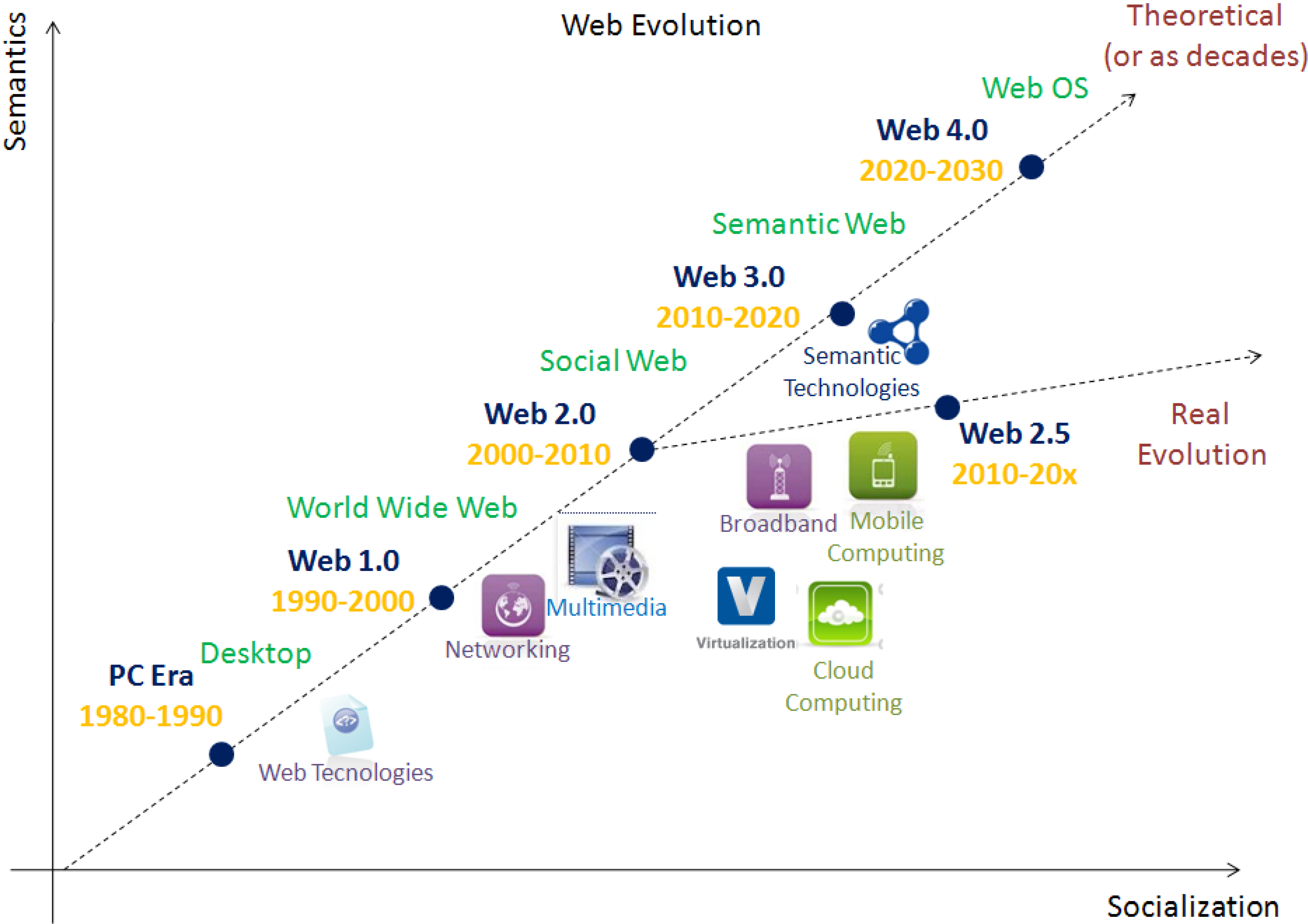
Het lijkt wel dat als je nog geen NFT hebt gemaakt als creatieveling, je er niet meer bij hoort. Mijn social feeds staan boordevol enthousiastelingen die de NFTs minten (maken), verkopen en kopen. Eerder schreef ik al over de geweldige mogelijkheden, voor zowel makers als bedrijven. Waar bij het Web1.0 bedrijven content maakten en verdienden en het huidige Web2.0 mensen content maken en bedrijven daaraan verdienen, zie ik bij Web3.0 dat mensen niet alleen content maken, maar daar ook echt geld aan gaan verdienen. NFTs spelen daarin een sleutelrol.
NFTs gaan in mijn optiek echt een grote impact hebben op de kunst-, mode-, muziek- en sportwereld. Niet alleen de grote bedrijven zoals VISA, Disney en Adobe die hier mee aan de slag gaan, stapelen zich op. Er komen ook steeds meer mogelijkheden bij, die eerder (technisch) niet mogelijk waren.
De luie apen community
Naast het platte kopen en verkopen van content en kunstwerken, zie je ook een nieuwe trend ontstaan; communities. Het mooiste voorbeeld hierin is de Bored Ape Yacht Club. Alle eigenaren van een van de Bored-Apes, die gemiddeld voor een paar miljoen per stuk over de toonbank gaan, mogen hier lid van worden. Veel eigenaren kopen zelfs een Bored Ape, om bij deze community te horen.
Aap-eigenaren maken van hun eigen aap hun Twitter-foto als een soort statussymbool. Daarnaast krijgen ze ook een aantal voordelen met hun eigendom: toegang tot een Discord-groep voor andere eigenaren, toegang tot virtuele merchandise-drops en gratis extra NFT’s. NFTs maakt dit allemaal (technisch) mogelijk en ik denk dat dit niet alleen komend jaar, maar ook daarna heel erg groot gaat worden.
In mijn trendblog over crypto, schreef ik ook al over een andere gave trend binnen blockchain / NFTs; de ‘play to earn blockchain games’ (P2E). Want wie wil er nou geen geld verdienen met spelletjes spelen? Louis Vuitton heeft zo bijvoorbeeld haar eigen online NFT game gelanceerd en de bekendste P2E game, Axie Infinity, heeft al $1.6 miljard omgezet. Spelers in landen als de Filipijnen en Indonesie, spelen deze spellen inmiddels omdat ze hier meer geld mee verdienen dan het reguliere werk.
Ook binnen NFT komen er elke week wel weer nieuwe ontwikkelingen. LOOT is daarin wel echt weer een revolutionair iets. De maker van VINE creëerde 8000 ‘LOOTbags’, zette deze online en waren binnen notime allemaal gratis geclaimt. Het zijn allemaal ‘conversation starters’ gebleken; allerlei communities van fans, artiesten en creatievelingen zijn momenteel aan het kijken naar toekomstige creaties. Het is geinspireerd op hoe het bekende Marvel miljarden spendeerde aan de ontwikkeling van allerlei sci-fi films. Honderden schrijvers en artiesten kregen geld en kwamen met ideeen voor de films, waar uiteindelijk een combinatie van alle ideeen ook daadwerkelijk werd geproduceerd. LOOT wil dit niet top-down doen, maar gelijk met de virtuele community.
Het komende jaar kan in mijn optiek al niet meer stuk, met de geweldige drive waarmee veel mensen het NFT ecosysteem verder ontwikkelen. Veel nieuws gaat nog steeds over de waanzinnige bedragen die soms voor NFTs worden betaald, zoals $533 miljoen wat zogenaamd voor een CryptoPunk werd neergelegd. Het mooie van veel blockchains, is dat alles transparant is, waardoor je ook big data analyses kan maken rondom de verdiensten. Dan zie je dat slechts 2% van de verkochte NFT’s voor meer dan $600 wordt verkocht en dat het grootste gedeelte van de grote bedragen, in de zakken beland van slechts 50 artiesten.
- Stablecoins aan de ketting
Het is een doorn in het oog van wetgevers wereldwijd; stablecoins als Tether. Eerder schreef ik al over het belang er van, binnen de wereldwijde financiële en cryptovaluta systemen. Door de snel toegenomen omvang, zouden ze volgens verschillende overheden het wereldwijde financiële systeem juist in gevaar kunnen brengen.
Kredietbeoordelaar Fitch waarschuwde deze maand dat de snelle groei van stablecoins “destabiliserende effecten” zou kunnen hebben op de korte termijn krediet markten. De wereldwijde Financial Action Task Force (FATF) waarschuwde recent voor de grote toename van witwassen er door en de Bank for International Settlements schreef in haar meeste recente rapport dat het totaal geen waarde er van ziet.
Hoewel de coins impliceren stabiliteit te brengen, kwam de grootste stablecoin, Tether, de afgelopen tijd doorlopend zeer negatief in het nieuws. Veel mensen gaan er vanuit, dat stablecoins zijn ‘gepegged’, 1-1 gedekt door een andere asset. Voor elke Tether in omloop, zou er dus een Dollar ergens zijn opgeslagen. Inmiddels is deze coin meer dan $70 miljard waar en na grote internationale druk, bleek dat het bedrijf achter Tether, een hele rare mix er op na hield van bezittingen, om al dit geld op de balans te dekken.
Hierdoor moest het al een boete aan de Amerikaanse overheid betalen en heeft diezelfde overheid nu met spoed een framework ontwikkeld, om stablecoins, zoals Tether, flink aan banden te leggen. Handelsbeurzen als Bitcoinmeester haalden de coin al offline. Het gaat echter niet alleen over Tether; er zijn tientallen stablecoins in omloop en het grote wachten is nog steeds op de stablecoin die veel overheden wakker schudde; Diem, geïnitieerd door Facebook.
Naast dat Europese, Chinese en Amerikaanse overheden, hun grote zorgen uitten, hebben ze nu dus in sneltreinvaart wetgeving ontwikkeld, wat komend jaar in werking zal treden. President Biden gaf al aan ze in dezelfde categorie te scharen als banken en het hoofd van de Amerikaanse centrale Bank, Jerome Powell gaf al aan ze niet te willen verbieden, maar wel streng te reguleren. Belangrijk, om de cowboys uit de sector te filteren en ook daadwerkelijk breed te worden geaccepteerd door grotere instellingen. In een recent onderzoek van Deloitte gaf 83% van de executives aan, dat zij het huidige fiat-geld vervangen zien worden door dergelijke coins.
Normaal lopen overheden altijd achter op technologische ontwikkelingen, het zogenaamde pacing probleem. Op blockchain gebied zie ik het komende jaar echter een paar belangrijke ontwikkelingen vanuit overheden ontstaan. Als eerste, zal de belangrijke MICA regelgeving komend jaar waarschijnlijk uitgebreid worden getest en besproken, om vervolgens te worden geïmplementeerd. Een ontzettend belangrijke stap, in de verdere professionalisering van de sector en daarmee ook toetreding van nog meer organisaties.
Daarnaast heeft de EU afgelopen juni bekend gemaakt, dat het komend jaar de inspanningen rondom ‘Self Sovereign Identity’, waarover ik eerder schreef, verder zal gaan intensiveren. Verder maakt de EU ook grote stappen met haar eigen ‘European Blockchain Services Infrastructure’. Door deze infrastructuur te creëren, wil de Europese Commissie een groot aantal grensoverschrijdende digitale openbare diensten leveren, ‘ten behoeve van de burger, de samenleving en de economie’.
Het is de eerste EU-brede blockchain-infrastructuur, die wordt gemaakt in een poging om openbare diensten betrouwbaarder en toegankelijker te maken voor Europese burgers, door het bestuur transparanter te maken, naleving van EU-regelgeving te faciliteren en te werken aan gegevenscompatibiliteit.
De uitvinder van Bitcoin, de nog steeds mysterieuze Satoshi Nakamoto, zou zich in zijn graf om draaien. Meerdere malen. Het initiële idee van de Bitcoin-blockchain, was om de macht bij financiële intermediairs (zoals banken) en overheden, weg te halen en door het decentrale karakter van de blockchain-technologie, weer terug te leggen bij de burger.
De Chinese overheid gebruikt de technologie nu juist, om een digitaal, centraal bankgeld systeem te lanceren, de E-CNY. Volgens veel experts krijgt de Chinese overheid hier juist nog veel meer grip op haar bevolking, door nu ook financiële transacties in het land grotendeels te kunnen controleren. Het is nog maar 100 dagen tot de Olympische Winterspelen in het land, waar deze zogenaamde ‘Central Bank Digital Currency’ (CBDC), het levenslicht zal zien. Inmiddels heeft de Chinese overheid Amerikaanse bedrijven die actief zijn in het land, zoals McDonalds, onder druk gezet om de munt te gaan accepteren tijdens de spelen.
Ook al zijn er al landen die een eigen CBDC gebruiken, zoals de Bahama’s en zeer recent ook Nigeria, met haar waanzinnige macht op het wereldwijde toneel, lijkt China hier grote impact te gaan hebben op het financiële systeem en op lange termijn zelfs de Amerikaanse macht hierop, flink af te zwakken. Het kan met haar E-CNY infrastructuur de huidige infrastructuren, die worden gedomineerd door Dollars en Amerikaanse macht (zoals het SWIFT systeem), flink te ondermijnen.
Het komende jaar kijken mensen dan ook zowel reikhalzend, als spannend uit naar waarmee China op de proppen komt. Het zal niet in een jaar gelijk wereldwijd het economische leiderschap gaan overnemen, maar zoals Ernest Hemingway’s het mooi omschrijft in zijn boek The Sun Also Rises, ‘gradually, then suddenly’. Net als de impact van veel technologieën; langzaam, maar ineens extreem en onverwacht.
De ‘bank der banken’, de Bank for International Settlements (BIS), lanceerde recent haar nieuwste rapport over de wereldwijde ontwikkelingen op gebied van CBDCs. Dit laat zien dat 86% van de centrale banken wereldwijd, kijkt naar CBDC en 60% zelfs al bezig is met de ontwikkeling er van.
Weg met de wallet gardens; power to the people!
Decentralisatie blijft bij veel ontwikkelingen het toverwoord. Op steeds meer vlakken, zien we niet alleen de oproep ontstaan voor het teruggeven van bepaalde macht aan de gebruiker / burger, maar ook de lancering van blockchain oplossingen die dit mogelijk maken.
Het decentraal opslaan van big data, niet meer in de ‘wallet gardens’ van de ‘big tech companies’. Macht en soevereiniteit weer terug leggen in de handen van makers, eigenaren, kleine organisaties en burgers, wat we nu zien in de grote ontwikkelingen rondom NFTs en DeFi. Fractioneel eigenaarschap, door middel van ‘fantokens’ zoals die van Ajax, PSV en Fortuna Sittard en vastgoed, zoals met het Amsterdamse Bloqhouse. Het past allemaal in de volgende fase van de ontwikkeling van het internet; Web3.0, gebouwd op een decentrale architectuur.
Fortune favours the bold
We gaan een heel gaaf blockchain jaar tegemoet. Ik kijk ontzettend uit naar alle ontwikkelingen, die ik nu totaal nog niet zie aankomen. Het is bij alle ontwikkelingen inmiddels wel duidelijk geworden dat deze vaak starten door de dappere, grote denkers. We gaan het zien, of het lef van veel van hen, het komende jaar zal worden beloond.
Jan Scheele werkt dertien jaar op het snijvlak van deep tech, strategie en leiderschap. Als keynote spreker, dagvoorzitter en adviseur maakt hij technologie tastbaar voor boardrooms, directieteams en grote podia, zonder de complexiteit te versimpelen of te verbergen achter buzzwords.
Zijn achtergrond ligt in het bouwen. Als CEO van een technologie scale-up, oprichter van meerdere techbedrijven en organisator van meer dan vijftig TED-events wereldwijd zag hij van dichtbij hoe technologische keuzes doorwerken in strategie, governance en cultuur. Vanuit zijn betrokkenheid bij het World Economic Forum en de BCNL Foundation kijkt hij daarbij niet alleen naar wat technisch mogelijk is, maar ook naar wat bestuurlijk houdbaar en maatschappelijk wenselijk is.
Hij publiceerde vijf boeken, waarvan twee Amazon-bestsellers, en schrijft wekelijks over AI, blockchain en de organisatorische gevolgen van deep tech. Zijn blogs bereikten inmiddels meer dan twee miljoen lezers.