You thought you were ready…

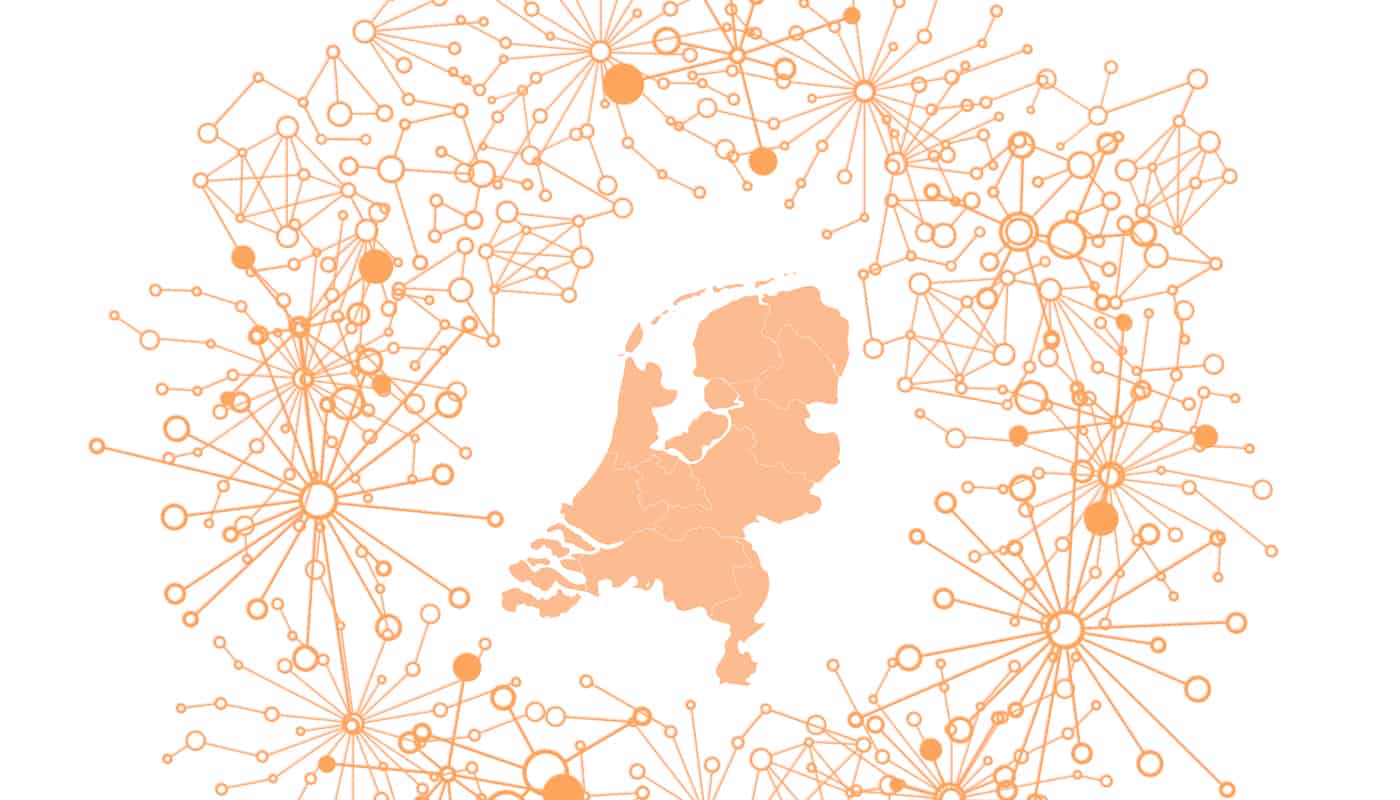
The mechanisation of the British textile industry in the late 18th century marked the first industrial revolution. Henry Ford continued over a century later, mastering the moving assembly line and piloting us into the age of mass production. While we have entered the third industrial revolution, focusing on digital manufacturing with technologies such as 3D printing, we are already paving the way for the fourth industrial revolution in which a giant leap in b33c25596eeb540d1ffc3c1dd76d3cf9manufacturing innovation will be taken with smart technologies and devices taking control of machines, while communicating with each other. We are nearing a tipping point of a technological revolution that will fundamentally change the way we work and live unlike humanity has ever experienced before, in a combination of digital, material and biological domains. Staffing agencies for robots are being founded, materials are ‘telling’ machines how they should be processed and factories are running automatically on big data analysis, without any human intervention; the industry is readying itself for ‘4.0’

Even the best-connected and most well-informed leaders indicate that the speed of both innovation and disruption are tough to follow or anticipate, and constantly cause surprises. These challenges arise as existing industry value chains are significantly disrupted. At the same time, innovative competition is flourishing thanks to access to all necessary digital platforms operating the business, and to the major shifts in consumption as a result of growing consumer engagement, behaviour and transparency. New York Times journalist James Surowiecki once said “The desire for reinvention seems to arise most often when companies hear the siren call of synergy and start to expand beyond their core businesses”, which perfectly indicates the opportunities available today provided we can get employees integrated and collaborating on the changes, while highlighting the risk if we cannot.

vci
How to keep on creating and capturing value as an organisation, within the industry 4.0 framework? Some remarkable companies are already working on the transformation of their organisational foundations in order to remain in the ‘paradise’ environment. The leading consumer goods multinational Unilever indicated, just like sports brand Nike, that they will become a ‘software company’, delivering software to their consumers to print their food and shoes at home instead of buying it in a store. While several shipping carriers see 3D printing as a threat, UPS consider it an opportunity and is investing heavily in 3D print plants, shifting its business model from solely moving goods to also producing them on demand. Rolls Royce was already a thought leader in the aircraft engine branch, when they changed their financing model from selling products to leasing them, and now they have partnered up with Microsoft to gather and analyse big data from the 13,000 engines that are used worldwide, making their engines work more efficiently, and giving the company another revenue stream.

How to keep up with the rapidly moving framework?

Four design principles identify and implement the industry 4.0 scenarios, according to Hermann, Pentek & Otto, who performed extensive research on this particular topic:

• Interoperability: The ability of machines, devices, sensors, and people to connect and communicate with each other via the Internet of Things (IoT) or the Internet of People (IoP).
• Information transparency: The ability of information systems to create a virtual copy of the physical world by enriching digital plant models with sensor data. This requires the aggregation of raw sensor data to higher-value context information.
• Technical assistance: Firstly, the ability of assistance systems to support humans by aggregating and visualising information comprehensibly for making informed decisions and solving urgent problems on short notice. Secondly, the ability of cyber physical systems to physically support humans by conducting a range of tasks that are unpleasant, exhausting, or unsafe for their human co-workers.
• Decentralised decisions: The ability of cyber physical systems to make decisions on their own and to perform their tasks as autonomously as possible. Only in the case of exceptions, interferences, or conflicting goals, are tasks delegated to a higher level.

New and different value propositions are needed to solve today’s and tomorrow’s needs, for customers, and through them for society. The challenge for any organisation is to keep breaking through the ceiling of current performance towards new levels of value creation. This requires an internal dynamic and leadership that challenges the patterns that brought success in the past, to realise new and better ways to create value, and to capture it. More of the same is unlikely to bring us to the next level.

The fourth industrial revolution has a great potential to keep connecting billions more people to the web, to radically improve the efficiency of organisations, and to help revitalise the natural environment through better asset management, possibly even undoing all the impairment previous industrial revolutions have caused.

Consumer behaviour is changing at a faster pace than many organisations can deal with. Consistently, across the board, old-fashioned firms in all sectors are failing to bring what their customers want and expect in the digital age. For those that fail to keep up the impact can be significant. Is your organisation already thinking digitally from the top down?

Jan Scheele

Jan Scheele werkt dertien jaar op het snijvlak van deep tech, strategie en leiderschap. Als keynote spreker en dagvoorzitter maakt hij technologie tastbaar voor boardrooms, directieteams en grote podia, zonder de complexiteit te versimpelen of te verbergen achter buzzwords.

Zijn achtergrond ligt in het bouwen. Als CEO van een technologie scale-up, oprichter van meerdere techbedrijven en organisator van meer dan vijftig TED-events wereldwijd zag hij van dichtbij hoe technologische keuzes doorwerken in strategie, governance en cultuur. Vanuit zijn betrokkenheid bij het World Economic Forum en de BCNL Foundation kijkt hij daarbij niet alleen naar wat technisch mogelijk is, maar ook naar wat bestuurlijk houdbaar en maatschappelijk wenselijk is.

Hij publiceerde vijf boeken, waarvan twee Amazon-bestsellers, en schrijft wekelijks over AI, blockchain en de organisatorische gevolgen van deep tech. Zijn blogs bereikten inmiddels meer dan twee miljoen lezers.


14 TED talks for inspirational leaders

14 TED talks for inspirational leaders

Quite often, when training or advising executives and politicians, I’m impressed by the impact, certain TED talks have on the creative and decisive process of these leaders. Both the discussed ideas and format really appeal to creating leaders and are sometimes significantly impacting the organisational thinking on how to create and capture value.

Below, the top 15 TED talks, where leaders indicated they not only got inspired, but also were used as starting point of a organizational dialogue.

1.    Dan Ariely: What makes us feel good about our work?

Behavioral economy Dan Ariely is arguing that money is not motivating the workforce, but giving meaning and purpose, that does it. In this amazing talk, he is giving several techniques for getting great work from your workers.

2.    Ricardo Semler – How to run a company with (almost) no rules

What would “work” look like if we threw out all the rules: the hours, the offices, the fixed salaries? Just ask Ricardo Semler, CEO of the radical Brazilian company Semco, and you’ll get an answer that stretches far beyond the workplace.

3.    General Stanley McChrystal: Listen, learn…then lead

The former General of Command of the US Army, is giving several techniques on how to build a sense of shared purpose among people.


4.    Fields Wicker-Miurin: Learning from leadership’s missing manual

Leadership doesn’t have a user’s manual, but Fields Wicker-Miurin says stories of remarkable, local leaders are the next best thing. The lessons from their improbable rise will inspire you to think of your own leadership value in terms of the legacy you’ll leave upon your community.


5.    Margaret Heffernan: Dare to disagree

Heffernan dispels myths about who are the best leaders and which role leaders take in successful teams. She shares the single most important act that will ensure every team’s success.


6.    David Logan: Tribal leadership

David Logan talks about the five kinds of tribes that humans naturally form — in schools, workplaces, even the driver’s license bureau.


7.    Dan Pink; The puzzle of motivation

A wonderful talk about rethinking the way how we run businesses. This former speech writer of Al Gore is arguing why traditional award schemes are not functioning anymore, by examining the psychology behind motivation.


8.    Benjamin Zander: The transformative power of classical music

In one of the best TED talks every, one of the most famous conductors in the world, Benjamin Zander, is talking about ‘leadership by passion’, based on his experience with conducting classic concerts.


9.    Shawn Achor: The happy secret to better work

By studying outliers, Shawn is giving an interesting insight in the reason why some people work ‘above average’ in the workplace.


10. Roselinde Torres: What It Takes to Be a Great Leader

After spending 25 years observing leaders in action, Roselinde Torres shares the three most important questions that every aspiring leader needs to ask if he or she wants to succeed.


11. David Grady: How to save the world (or at least yourself) from bad meetings

In his TED Talk, information security manager David Grady speaks to an epidemic of bad, inefficient, overcrowded meetings that are plaguing the world’s businesses – and making workers miserable.


12. Jason Fried – Why Work Doesn’t Happen at Work

Author of many NYT bestselling books is talking about the main barriers of productivity; “Managers & Meetings”. How to be more productive at work? In this talk, Jason sheds light on the many distractions we face at work and how the office isn’t suited for creative pursuits that require large periods of uninterrupted time.


13. Tom Wujec – Build A Tower Build A Team

Tom Wujec presents some surprisingly deep research into the “marshmallow problem” — a simple team-building exercise that involves dry spaghetti, one yard of tape and a marshmallow. Who can build the tallest tower with these ingredients? And why does a surprising group always beat the average?


14. Drew Dudley: Everyday Leadership

Drew is giving a wonderful speech on the ‘lollipop moments’, managers can give to their colleagues. He calls on all of us to celebrate leadership as the everyday act of improving each other’s lives.


Jan Scheele

Jan Scheele werkt dertien jaar op het snijvlak van deep tech, strategie en leiderschap. Als keynote spreker en dagvoorzitter maakt hij technologie tastbaar voor boardrooms, directieteams en grote podia, zonder de complexiteit te versimpelen of te verbergen achter buzzwords.

Zijn achtergrond ligt in het bouwen. Als CEO van een technologie scale-up, oprichter van meerdere techbedrijven en organisator van meer dan vijftig TED-events wereldwijd zag hij van dichtbij hoe technologische keuzes doorwerken in strategie, governance en cultuur. Vanuit zijn betrokkenheid bij het World Economic Forum en de BCNL Foundation kijkt hij daarbij niet alleen naar wat technisch mogelijk is, maar ook naar wat bestuurlijk houdbaar en maatschappelijk wenselijk is.

Hij publiceerde vijf boeken, waarvan twee Amazon-bestsellers, en schrijft wekelijks over AI, blockchain en de organisatorische gevolgen van deep tech. Zijn blogs bereikten inmiddels meer dan twee miljoen lezers.
How to speak so that people listen, keep listening and can’t stop listening

When activist Martin Luther King started his famous speech in front of the Lincoln Memorial in Washington, he had already been preceded by 14 other speakers on that noisy and hot day in 1963. Although his speech was the length of a TED talk, the challenge of keeping the attention of thousands of listeners was big. Like many other great leaders of our time (such as Steve Jobs), Mr. King succeeded by not trying to motivate or persuade his audience, but by taking them on an inspirational journey. As Nancy Duarte found out, when analyzing the best talks ever given, inspirational leaders use a method of ‘pressure and release’. By continuously moving back and forth between predicting an exciting future ahead and reflecting on a disappointing current situation, leaders maximise the attention for their speech. Still too often, exciting and important stories from leaders are being completely ignored by the audience, whose attention is more focused on their mobile phones, while the presenter is communicating their story the old-fashioned way. Time for some refreshing ideas for leaders, on how to make a speech memorable and having the impact it deserves!

It all starts with the story itself
According to sound consultant Julian Treasure, being honest, sincere and considerate are the most important elements for a powerful talk that will resonate with the audience. Being brief, to-the-point and clear in what you say, while keeping your word and doing what you say, and wishing others well. When Neil Armstrong took his first steps on the moon and spoke his famous words he did exactly this. Furthermore, he used storytelling and a clear vision to inspire people and communicate his message so that everybody would hang onto every word.

Show them you are passionate about your story!
immagine31Although analysis of numerous great talks has indicated that less then 10% of effective communication happens by the words spoken, some leaders still try to communicate by hiding behind a lectern and standing still for an hour. Body language and tone of voice are still being neglected, while they can significantly contribute to getting a message through. Focus on the pace of speaking, slowing down or taking a moment of silence are all perfect for emphasising things. Bringing the message by using different volumes, a smile and authentic posture, complete your inspirational message.

Preventable pitfalls

Schermafbeelding 2017-02-03 om 05.47.58You don’t need to smile all the time of course. And stay away from making accusations and gossiping about people who aren’t present. As Eleanor Roosevelt excellently put it: “Great minds discuss ideas; average minds discuss events; small minds discuss people“. There is always more to the story, so don’t judge. Why would you deliver a tough message when you can bring an inspirational one and still make your point? Don’t complain or bring negativity to the table, as you’ll gradually lose your audience. And nobody is helped with excuses, or exaggeration, so leave them out.

Strong leaders are masters of combining these ‘ingredients’ and lessons. By telling powerful, memorable and actionable stories, they increase their effectiveness, build stronger and more secure relationships with their audience even improving their well-being. But always keep in mind that strong leaders stay authentic and remain true to themselves.

Jan Scheele

Jan Scheele werkt dertien jaar op het snijvlak van deep tech, strategie en leiderschap. Als keynote spreker en dagvoorzitter maakt hij technologie tastbaar voor boardrooms, directieteams en grote podia, zonder de complexiteit te versimpelen of te verbergen achter buzzwords.

Zijn achtergrond ligt in het bouwen. Als CEO van een technologie scale-up, oprichter van meerdere techbedrijven en organisator van meer dan vijftig TED-events wereldwijd zag hij van dichtbij hoe technologische keuzes doorwerken in strategie, governance en cultuur. Vanuit zijn betrokkenheid bij het World Economic Forum en de BCNL Foundation kijkt hij daarbij niet alleen naar wat technisch mogelijk is, maar ook naar wat bestuurlijk houdbaar en maatschappelijk wenselijk is.

Hij publiceerde vijf boeken, waarvan twee Amazon-bestsellers, en schrijft wekelijks over AI, blockchain en de organisatorische gevolgen van deep tech. Zijn blogs bereikten inmiddels meer dan twee miljoen lezers.

The fear of fear

Schermafbeelding 2017-01-31 om 06.42.20Looking at the daily news, it seems like we’re currently living in a society of fear. The fear of terrorism, the fear of employers firing their employees and replacing them with software and, the fear of the sharing economy and even the fear of our food, causing new year’s resolutions to be demolished. As TEDxAmsterdam speaker Damiaan Denys pointed out in his brilliant TED talk, “the world around us isn’t dangerous, we perceive it to be dangerous”. Economic prosperity has also brought us a culture of distrust and post-truth society. As book writer Ralph Keyes points out; “At one time we had truth and lies. Now we have truth, lies, and statements that may not be true but we consider too benign to call false”.


Schermafbeelding 2017-01-31 om 06.42.57Schools, companies, they all used to be safe havens for children and workers, now they seem to be replaced by environments of fear & control. Several friends of the same age (29), already experienced their first burn-out, caused by jobs not meeting expectations. In The Netherlands, 52% of absenteeism under 20-30 year olds is being caused by burnouts and one out of seven will get one. Psychologist Meg Jay sounded the alarm bell in her TED talk about the ‘twenty somethings’ and their rapidly negatively changing personal and professional environment.


Several internal and external factors have influenced the working environments at many organisations. The Japanese ‘Shūshin-Koyō’ model of life-time employment and taking care of the wellbeing of employees and their families, has vaporized due to the crisis, robotization, new ways of employment and so forth. The uncertainty of job security, but also the negative impact of workplace relationships and an escalating competitive workspace on individuals, teams and their work has increased significantly.


Harvard Business School professor Amy Edmondson is stressing the importance of facilitating a corporate culture with a shared belief that the team is safe for interpersonal risk taking. In her research, she found that better performing teams are making more errors than the worse performing ones as they are usually facilitating ‘learning from failure’ within their organizational boundaries.

At the Breakthrough Day of the ELP Network, Maastricht University researcher Therese Grohnert continued this discussion about creating these ‘safe learning environments’ in professional settings, inspired by the research of Amy Edmondson. In Therese’s research amongst employees of the ‘Big 4’ audit firms in The Netherlands, she found strong evidence of the impact of learning from critical experiences on the performance of teams. Google’s research on the three traits of successful teams supported this as well, indicating “psychological safety” is one of them.

Schermafbeelding 2017-01-31 om 06.53.43

How to create a feedback environment with a strong support for learning? How can you stimulate and facilitate learning from critical experiences to improve performance? According to Amy Edmonson, “Leaders can help create these environments by developing and reinforcing the following team behaviors

  • Civility – Showing civility is the most available contribution people can make to creating and sustaining psychological safety. Attending to what others contribute and responding with consideration not only reduces anxiety but encourages creative thinking.
  • Argue with Respect – Contrasting ideas are the greatest source of creativity.  It is important for team members to learn to be tolerant of other viewpoints.  Agreement should not be a mandatory value but agreeing to respectfully disagree should be.
  • Be supportive – Using supportive language towards others should be an expectation. Humor does not excuse a put-down nor does it make one palatable. People really don’t like it.

What are you going to implement today, to create your own  “climate of openness.” In your organization?

Jan Scheele

Jan Scheele werkt dertien jaar op het snijvlak van deep tech, strategie en leiderschap. Als keynote spreker en dagvoorzitter maakt hij technologie tastbaar voor boardrooms, directieteams en grote podia, zonder de complexiteit te versimpelen of te verbergen achter buzzwords.

Zijn achtergrond ligt in het bouwen. Als CEO van een technologie scale-up, oprichter van meerdere techbedrijven en organisator van meer dan vijftig TED-events wereldwijd zag hij van dichtbij hoe technologische keuzes doorwerken in strategie, governance en cultuur. Vanuit zijn betrokkenheid bij het World Economic Forum en de BCNL Foundation kijkt hij daarbij niet alleen naar wat technisch mogelijk is, maar ook naar wat bestuurlijk houdbaar en maatschappelijk wenselijk is.

Hij publiceerde vijf boeken, waarvan twee Amazon-bestsellers, en schrijft wekelijks over AI, blockchain en de organisatorische gevolgen van deep tech. Zijn blogs bereikten inmiddels meer dan twee miljoen lezers.

TED-waardig presenteren; mijn 5 favoriete tips

TED-waardig presenteren; mijn 5 favoriete tips

Dat is toch die film met die beer? Jullie bezorgen toch pakketjes? Soms kom ik nog bij organisaties, die denken dat mijn werk voor TED/TEDx te maken heeft met de berenfilm TED of koeriersbedrijf FedEx. Niets is minder waar. TEDx bezorgt geen pakketjes, maar inspirerende ideeën! Het wereldberoemde TED-concept is inmiddels ook duidelijk doorgedrongen bij bedrijven in Nederland. Niet alleen worden de zogeheten ‘TED talks’ steeds meer gebruikt in management meetings, ook word ik de afgelopen tijd vaak gevraagd om trainingen te verzorgen over ‘Spreken als TED’. Oftewel, hoe geef je een TED-waardige presentatie die niet alleen op een goede manier overkomt, maar ook bij het publiek bijblijft? Hierbij een paar van mijn favoriete tips:


1) Een goed begin is het halve werk

Vaak beginnen sprekers met een introductie van zichzelf of met “vandaag ga ik jullie wat vertellen over”. Dooddoeners, die de aandacht van menig toehoorder laat verplaatsen naar de mobiele telefoon. Mijn advies: begin direct zo sterk mogelijk en geef het publiek geen enkele kans om de aandacht ergens anders aan te geven. Gebruik een leuke anekdote, begin met een mooi verhaal of laat een aandachttrekkende video of afbeelding zien. Uiteraard geldt hier dat dit ludieke begin goed is afgestemd op het publiek en in lijn is met de rest van de presentatie, anders kan het enkel afbreuk doen.


2) Engage!

Veel presentaties ontaarden al snel in een saaie monoloog. Dit terwijl je met bijvoorbeeld het stellen van een paar vragen door de presentatie heen, het publiek goed kan blijven betrekken bij je verhaal. Probeer geen op de man-af vragen te stellen, maar stel algemene ‘ja-nee’ vragen en doe dat gerust drie keer op een rij.


3) KISS

Het begint met verveling, ontaard al snel in frustratie en eindigt in woede. Het stukje leven dat je nooit meer terug kunt krijgen en dat is ingevuld door een verschrikkelijke PowerPointpresentatie, met overvolle slides met tekst, rare effecten, nietszeggende afbeeldingen en kinderachtige overgangen. In plaats van de focus op jouw verhaal, gaat de focus van het publiek al snel naar de klok en andere zaken die wel inspireren en vermaken. De Amerikaanse Marine kwam in de jaren ’60 al met het ‘Keep It Simple, Stupid (KISS)’ principe. Iets wat ik ook vaker adviseer bij het maken van een presentatie. Mijn advies: stel jezelf eerst de vraag, of het überhaupt wel noodzakelijk is om slides te gebruiken. Is het ‘gewoon vertellen’ van het verhaal niet veel krachtiger? Indien het verhaal écht moet worden ondersteund door slides, probeer dit aantal dan niet alleen tot een minimum te beperken, maar probeer ook enkel met grafische materialen te werken en gebruik vooral géén tekst. Er is vandaag de dag geen enkel excuus meer om geen mooie foto’s te vinden op het web, die een presentatie perfect kunnen ondersteunen.


4) Van top tot teen

Recent onderzoek naar de impact van TED presentaties heeft uitgewezen dat het bijblijven van een verhaal voor slechts 7% het gevolg is van woorden. Intonatie van de stem draagt 38% bij aan de impact van een talk en lichaamstaal zelfs 55%. Het is dus belangrijk om niet alleen te focussen op het verhaal, maar ook zeker op de presentatie zelf. Van top tot teen.

Intonatie: het verdient de aandacht om tijdens het oefenen van je presentatie te kijken naar de verschillen in toonhoogten van je stem. Welke zaken wil je bijvoorbeeld extra kracht bijzetten of welke zaken verdienen een serieuze ondertoon?
Rust: het inbouwen van rustpauzes heeft verschillende positieve gevolgen. Niet alleen zorg je ervoor dat je spanning opbouwt bij het publiek (wat gaat er komen?), ook is het een goed en snel reflectiepunt voor jezelf. Praat je niet te snel en ben je geen zaken vergeten? Bovendien is het voor het publiek een fijn moment om alles wat je daarvoor hebt gezegd, even te kunnen verwerken in het brein.
Armen & handen: als je naar TED talks kijkt, dan zie je dat de meeste sprekers veelvuldig gebruik maken van armen en handen om bepaalde zaken kracht bij te zetten. Iets wat ik mensen die presentaties geven ook vaak adviseer. Het zorgt er niet alleen voor dat je je presentatie levendiger maakt, ook is het voor het publiek een goede herkenning voor wanneer belangrijke zaken aan bod komen.
Lopen: lopen tijdens een presentatie heeft zo zijn voors en tegens. Stilstaan zorgt ervoor dat mensen zich op één punt blijven richten en het geeft een bepaalde uitstraling. Aan de andere kant, kan lopen zorgen voor een constante aandacht bij het publiek, dat jou moet blijven volgen. Verschillende onderzoeken hebben bovendien uitgewezen dat het constant prikkelen van de beenspieren zorgt voor het op gang houden van de organen. Dit heeft niet alleen een positieve uitwerking op de longcapaciteit, maar zorgt ook voor een frisse geest.
5) (prepare for) the worst

Nog vaak genoeg maak ik mee dat presentaties niet alleen slecht voorbereid zijn, maar dat ook (gebrek aan) techniek op locatie een presentatie flink in de soep kan laten lopen. Verkeerd opgeslagen bestanden, andere versies van PowerPoint, niet werkend internet of niet passende kabeltjes… ik heb het allemaal zien gebeuren, met alle vervelende gevolgen voor de spreker en de presentatie van dien. Zorg daarom dat je presentatie van tevoren op de computer is getest, dat zaken die internet behoeven als back-up ook offline staan (denk aan filmpjes), dat bestanden niet alleen in je mail, maar ook op een USB stick staan en dat je je presentatie niet alleen een paar keer geprint meeneemt, maar ook opslaat als PDF. Want daarmee kun je altijd presenteren!


Jan Scheele

Jan Scheele werkt dertien jaar op het snijvlak van deep tech, strategie en leiderschap. Als keynote spreker en dagvoorzitter maakt hij technologie tastbaar voor boardrooms, directieteams en grote podia, zonder de complexiteit te versimpelen of te verbergen achter buzzwords.

Zijn achtergrond ligt in het bouwen. Als CEO van een technologie scale-up, oprichter van meerdere techbedrijven en organisator van meer dan vijftig TED-events wereldwijd zag hij van dichtbij hoe technologische keuzes doorwerken in strategie, governance en cultuur. Vanuit zijn betrokkenheid bij het World Economic Forum en de BCNL Foundation kijkt hij daarbij niet alleen naar wat technisch mogelijk is, maar ook naar wat bestuurlijk houdbaar en maatschappelijk wenselijk is.

Hij publiceerde vijf boeken, waarvan twee Amazon-bestsellers, en schrijft wekelijks over AI, blockchain en de organisatorische gevolgen van deep tech. Zijn blogs bereikten inmiddels meer dan twee miljoen lezers.

Kijken kijken niet kopen

Kijken kijken niet kopen

Je hebt ze vast wel eens gezien. Van die Nederlanders die op vakantie door winkeleigenaren in gebrekkig Nederlands worden nageroepen: ‘Kijken kijken, niet kopen’. Wél urenlang naar waren kijken, maar iets kopen? Ho maar! Iets waar ‘Hollanders’ in het buitenland om bekend staan. Ook op het web gebeurt dit veel. Door dit zogeheten ‘bagging’ blijft er wereldwijd naar schatting jaarlijks 3,5 biljoen euro achter in verlaten winkelmandjes en is de gemiddelde conversie van MKB-websites slechts 1,25%. Veel bedrijven hebben een website of webwinkel laten maken om er een zogenaamde ‘call-to-action’ uit te halen. De praktijk leert echter dat slechts weinigen ook de daadwerkelijk verwachte en voorspelde output eruit halen. Een paar tips om dit te verbeteren.


1) Ik zie wat jij niet ziet


Nog te vaak kom ik websites en webwinkels tegen waar de ‘unique selling points’ van het bedrijf en/of het product/de dienst nergens te vinden zijn. Er wordt enkel gecommuniceerd over wat er wordt aangeboden, maar niet waarom het zou moeten worden aangeschaft. Een eerste bezoek aan een website of webwinkel duurt gemiddeld 7 seconden en moet voor de bezoeker dus direct overtuigend genoeg zijn. Waarom moet hij iets bestellen of contact opnemen? Google is zo geopend en de alternatieven meestal zo binnen handbereik. Wees daarom duidelijk en keep it simple.


2) Springplanken


Bouwers van websites en webwinkels hebben de neiging om de navigatie niet duidelijk en constant in het zichtveld van de bezoeker te houden, laat staan wervende namen eraan te geven. Gemakkelijk te implementeren verbeteringen, die het niet alleen gemakkelijker maken voor een bezoeker om door te klikken naar een koop-of contact pagina, maar er volgens onderzoek ook voor zorgen dat bezoekers langer op een site blijven. Steeds meer bezoekers gebruiken in plaats van het menu, bovendien de zoekbalk om hun zoekopdracht in te vullen. Het is daarom ook belangrijk om de zoekbalk dichtbij het menu te plaatsen.


3) Win vertrouwen


De afgelopen jaren is het aantal gemelde fraudegevallen bij webwinkels sterk toegenomen. Denk aan webwinkels die geen producten leveren na betaling of webwinkels die er een schimmig retourbeleid op na houden. Als webwinkel is het daarom heel belangrijk om het vertrouwen van de bezoeker te winnen. Hoe? Gebruik onafhankelijke reviews, wees transparant over levertijden en verzendkosten, gebruik keurmerken en maak het zo gemakkelijk mogelijk om contact op te nemen via telefoon, email of social media. Daarnaast geldt, ook voor websites, dat het erg de moeite loont om een SSL certificaat te installeren op de site of webwinkel. Naast het feit dat Google dit zeer belangrijk acht voor de waardering binnen de zoekmachine, zorgt het er ook voor dat schadelijke virussen buiten de deur blijven.


4) Speed is the key


Amazon publiceerde recent een onderzoek over het sterke verband tussen de snelheid van een website of webwinkel en de stijging van de omzet. Een verbetering van de laadtijd van 100 milliseconden zorgt gemiddeld voor 1% hogere omzet. Naast het selecteren van een snelle hoster, is het ook altijd goed om de snelheid door een onafhankelijke partij te laten testen. Nog vaak genoeg komen wij ‘zware’ afbeeldingen of vertragende scripts tegen, die de site een stuk langzamer laten laden. Aangezien het gebruik van de mobiele telefoon sterk blijft toenemen, is het ook van belang om op mobiel niveau de snelheid goed onder de loep te nemen. In het begin van het jaar hebben LinkedIn, WordPress en Google de nieuwe web standaard ‘accelerated mobile pages’ geïntroduceerd. Een pakket elementen, gevarieerd op HTML, die de laadtijd op mobiele websites tot wel 85% verbetert.


5) Keep mobile in mind


Op het moment van schrijven komt al meer dan 70% van al het webverkeer via mobiele apparaten. Google liet vorig jaar al weten dat websites die niet volledig mobiel vriendelijk zijn, aanzienlijk lager in de zoekresultaten zouden eindigen. Naast het feit dat wordt verwacht dat het aandeel van mobiel op het totale webverkeer ook komend jaar nog sterk zal toenemen, geven ook veel onderzoeken aan dat het niet zeer toegankelijk maken van een website of webwinkel op de mobiele telefoon zorgt voor een significant klant verlies. Twee redenen om de mobiele toegankelijkheid van een website zo optimaal mogelijk te maken dus.


6) Keep analysing!


Voor een goede en blijvende conversie, is het belangrijk om constant te blijven meten en verbeteren. Er zijn verschillende goede tools van o.a. Google, die een goed inzicht geven in het gedrag van de bezoeker. Van Google Insight, Google Trends en Google Optimize tot Google Analytics 360 Suite. Hiermee is het niet alleen mogelijk om zaken als bounce-ratio’s (wegklikken) en bezoekersflows realtime te meten, maar ook om een geoptimaliseerde website te laten maken en testen.


Jan Scheele

Jan Scheele werkt dertien jaar op het snijvlak van deep tech, strategie en leiderschap. Als keynote spreker en dagvoorzitter maakt hij technologie tastbaar voor boardrooms, directieteams en grote podia, zonder de complexiteit te versimpelen of te verbergen achter buzzwords.

Zijn achtergrond ligt in het bouwen. Als CEO van een technologie scale-up, oprichter van meerdere techbedrijven en organisator van meer dan vijftig TED-events wereldwijd zag hij van dichtbij hoe technologische keuzes doorwerken in strategie, governance en cultuur. Vanuit zijn betrokkenheid bij het World Economic Forum en de BCNL Foundation kijkt hij daarbij niet alleen naar wat technisch mogelijk is, maar ook naar wat bestuurlijk houdbaar en maatschappelijk wenselijk is.

Hij publiceerde vijf boeken, waarvan twee Amazon-bestsellers, en schrijft wekelijks over AI, blockchain en de organisatorische gevolgen van deep tech. Zijn blogs bereikten inmiddels meer dan twee miljoen lezers.

Daiper techniques, clusterbombs and Panama Papers; a week with the Tinkers Enablers & Doers of the world

Daiper techniques, clusterbombs and Panama Papers; a week with the Tinkers Enablers & Doers of the world

Exactly ten years after TED started democratizing ideas by posting TED talks online, the organization invited their ‘Global brain’ for its Summit in Banff (Canada), to look ahead, spark conversations and enjoy an intense experience in the light of ‘ideas worth doing & spreading’. Besides a bunch of veteran TEDx organizers, translators, Fellows, executives and partners, also over 120 impressive speakers joined both the stage and audience.

The ‘T’ of TED (Technology) brought a set of the world’s brightest minds on stage, discussing the need for nuclear energy and CRISPR, but also showcasing the most impressive new techniques within –for example- brain surgery, using ‘diaper techniques’ to execute these ‘high risk moonshot surgery’. With the quick democratization of wealth creation, speakers on blockchain gave an interesting insight in the ‘internet of value’ and their corresponding trust protocols.

The most impactful session of talks came from the TED Fellows program, a group of brainy innovators and change makers supported by the TED organization. Just like at the TEDx events I’ve founded, the personal stories turn out to be the most impactful ones. The Fellows who spoke about the impact of cluster bombs, a rape, going blind and Chronic Fatigue Syndrom therefore gave the audience not only huge lumps in their throats, but also made them aware of the perishability of life.
With the world ‘being on fire’, global issues like Brexit, Panama Papers, the ‘lost continent’ Africa, governmental surveillance and pollution were widely discussed. Fortunately, TED is always giving a positive twist to them, inviting speakers to also shine a light on the positive side on several of these movements. The most remarkable stories came from Suzan Simard, talking about the secret lives of threes and the communication between them, Julia Bacha about non-violent campaigns during the Intifada and TED Price winner Sarah Parcah about discovering new Peruvian treasure sites with en open source approach.


Besides several new speakers, TED also invited several famous ‘old’ speakers to host workshops and join conversations. I was delighted to join discussions on topics like the US Elections, Brexit and refugee crisis, but also have deep, personal conversations with people like Monica LewinskyRodney Brooks and Kevin Kelly. Kevin Slavin of the MIT Lab even invited me to join a project he’s currently executing for the Dalai Lama :-).


With a huge TED-lag and TEDache I flew back to The Netherlands, being reminded again that, while I usually think that I know a lot, I just don’t know anything. We’re living in an exciting and incredible time, often incomprehensible…

The first talks have been posted online:

http://www.ted.com/talks/alexander_betts_why_brexit_happened_and_what_to_do_next
http://www.ted.com/talks/marwa_al_sabouni_how_syria_s_architecture_laid_the_foundation_for_brutal_war

Jan Scheele

Jan Scheele werkt dertien jaar op het snijvlak van deep tech, strategie en leiderschap. Als keynote spreker en dagvoorzitter maakt hij technologie tastbaar voor boardrooms, directieteams en grote podia, zonder de complexiteit te versimpelen of te verbergen achter buzzwords.

Zijn achtergrond ligt in het bouwen. Als CEO van een technologie scale-up, oprichter van meerdere techbedrijven en organisator van meer dan vijftig TED-events wereldwijd zag hij van dichtbij hoe technologische keuzes doorwerken in strategie, governance en cultuur. Vanuit zijn betrokkenheid bij het World Economic Forum en de BCNL Foundation kijkt hij daarbij niet alleen naar wat technisch mogelijk is, maar ook naar wat bestuurlijk houdbaar en maatschappelijk wenselijk is.

Hij publiceerde vijf boeken, waarvan twee Amazon-bestsellers, en schrijft wekelijks over AI, blockchain en de organisatorische gevolgen van deep tech. Zijn blogs bereikten inmiddels meer dan twee miljoen lezers.

The best TED Talks for better meetings & more fun at work

The best TED Talks for better meetings & more fun at work

Quite often people ask me about my favourite TED talks for all kinds of situations. Today: how to improve your meetings at work & make work more fun!

David Grady: How to Save the World (Or At Least Yourself) From Bad Meetings

Off course the talk of David Grady cannot be missed in this list. In his funny, 6 minute TED talk he explains us the “Mindless Accept Syndrome”. He is saving you from wasting away in another boring meeting you don’t belong in.

https://youtu.be/F6Qo8IDsVNg


Jason Fried: Why work doesn’t happen at work

Great talk about how to be more productive at work. In this talk, Jason sheds light on the many distractions we face at work and how the office isn’t suited for creative pursuits that require large periods of uninterrupted time.

http://www.ted.com/talks/jason_fried_why_work_doesn_t_happen_at_work?language=en


Shawn Achor: The happy secret to better work

This longtime Harvard psychologist gave a pep talk in which he argues that simply thinking positively and practicing gratitude daily can measurably boost your overall productivity. This is not just a theory; he has scientific data to prove it J.

https://youtu.be/fLJsdqxnZb0


Nigel Marsh: How to make work-life balance work

In this talk Nigel talks about his experience with achieving work-life balance. He also lays out an ideal day balanced between family time, personal time and productivity – and offers amazing inspiration to make it happen.

http://www.ted.com/talks/nigel_marsh_how_to_make_work_life_balance_work?language=en


Arianna Huffington: How to succeed? Get more sleep

The famous online media guru, Arianna Huffington gave this short and funny talk about the link between sleep and success. She touches upon the irrational race to sleep less in the tech world and how changing that can make us happier, more productive and more successful. Gave me personally some interesting insights.

http://www.ted.com/talks/arianna_huffington_how_to_succeed_get_more_sleep.html


Tony Robbins – Why We Do What We Do

One of the most famous motivational speakers in the world, Tony Robbins gave a TED talk a few years ago, in which he explains why he’s not interested in motivating people at all, but rather helping them understand why they do what they do and the “invisible forces” behind their actions. Haven’t seen someone with so much energy on the TED stage.

http://www.ted.com/talks/tony_robbins_asks_why_we_do_what_we_do?language=en


Paolo Cardini: Forget Multitasking, Try Monotasking
Is multitasking really a time-saver or a total waste of time? Professor and famous product designer Paolo Cardini gave a three minute, humoristic TED talk about this.

https://youtu.be/0YNeyBANrTI


Nilofer Merchant: Got a meeting? Take a walk

Am doing this also more often, when I need to make calls or have meetings with clients or partners. Research has shown the devastating effects of sitting the entire day at the office. Nilofer is giving some practical advice.

https://www.ted.com/talks/nilofer_merchant_got_a_meeting_take_a_walk

Jan Scheele

Jan Scheele werkt dertien jaar op het snijvlak van deep tech, strategie en leiderschap. Als keynote spreker en dagvoorzitter maakt hij technologie tastbaar voor boardrooms, directieteams en grote podia, zonder de complexiteit te versimpelen of te verbergen achter buzzwords.

Zijn achtergrond ligt in het bouwen. Als CEO van een technologie scale-up, oprichter van meerdere techbedrijven en organisator van meer dan vijftig TED-events wereldwijd zag hij van dichtbij hoe technologische keuzes doorwerken in strategie, governance en cultuur. Vanuit zijn betrokkenheid bij het World Economic Forum en de BCNL Foundation kijkt hij daarbij niet alleen naar wat technisch mogelijk is, maar ook naar wat bestuurlijk houdbaar en maatschappelijk wenselijk is.

Hij publiceerde vijf boeken, waarvan twee Amazon-bestsellers, en schrijft wekelijks over AI, blockchain en de organisatorische gevolgen van deep tech. Zijn blogs bereikten inmiddels meer dan twee miljoen lezers.

“Please cancel modest out of your vocabulary”

“Please cancel modest out of your vocabulary”

Forget Silicon Valley, Amsterdam was yesterday the ‘tech Mecca’ of the world with the opening of ‘Startup Fest’. Apple’s CEO told the audience at the Beurs van Berlage that he “feels a vibrancy, an excitement, a sort of optimism here in Europe”. An optimism that has its clear effects on the Dutch economy according to the Dutch Minister of Economic Affairs, Henk Kamp; “42% of the jobs in the Netherlands are with companies that are younger than 5 years”. The impressive line up of speakers was on the one hand enthusiastic about the European developments in the startup atmosphere, but on the other hand also very critical about the current state of it.


It’s time to act, now!


Google’s former CEO Eric Schmidt told the audience that Google is hiring thousands of young Europeans, as there are currently no jobs for them at European start-ups. This has, according to Schmidt, to do with the European rules and regulations of setting up and growing a company, the low funding of technical universities & start-ups and too much focus on discouraging laws. Apple’s CEO Cook even went a step further, proclaiming “coding should be a second world language, making it a obligatory course at schools”. Although the VP of the European Commission promised that the EU is “going to take down walls and create one European digital market”, all other speakers agreed that Europe requires ‘Silicon Valley style collaboration’ and investment in universities on a short term.


It all starts with frustration


With founders of Uber and Airbnb on stage, the audience also got a wonderful insight in the start-up stories of two exponentially growing, disruptive sharing economy start-ups. Travis Kalanick of Uber told how frustration of not finding a cab in Paris, made him and his co-founder build Uber. With their mission of “making transportation as reliable as running water”, the Uber app was build with an amazing mathematical backend. “We’re not just an app, we are the best predictors of moving crowds in the world”. His colleague from Airbnb, Nathan Blecharczyk, promoted his platform as being very sustainable, as Airbnb’s users consume “78% less energy and 48% less water than their counterparts in hotels”. By “democratizing travel”, the start-up earned only in Europe in 2015 already 3 billion dollars with 2 million offered condo’s.


Underperforming unicorns


Besides inspirational stories from leading startup founders, several interesting learning’s for upcoming startups were given as well. Something really important, as “the startup machine is faltering” at the moment. Investments in startups have decreased by 30% in the past 6 months, mainly due to bad performing ‘unicorns’ (startups with a valuation over 1 BLN). A couple lessons from the speakers:

  • Find the minimal product to sell to a single customer in a new geography and build from there” – Pieter van der Does, CEO & Founder Adyen
  • Keep the product simple but build the company to scale, multi-lingual & multi-cultural by default. Think about scale from the start on every aspect” – Gillian Tans, COO & Co-founder Booking.com
  • Start simple. Test the waters to see how much interest there is” – Steven Schuurman, CEO Elastic
  • Dream bigger! Ideas need to be scalable by default. The world is big, let’s embrace it! If you make a better product then people will swap to it” – Eric Schmidt, CEO Alphabet, formerly Google
  • Find your inner geek! Find something broken! Have a champions mind-set and make magic! Give people back some of their time, bring calmness and joy. Be analytical & creative, merge the left brain with the right one. Sometimes conventional wisdom is correct. But it’s hard to know what is reality and what is perception” -Travis Kalanick, CEO & Co-founder Uber


What is next?


Several predictions of breakthroughs and challenges in the upcoming years were made by all speakers. Tim Cook told that Apple will focus much more on health in the upcoming years with the Apple Watch being the centre of all developments. “Health is a big issue and ripe for simplicity and a new view”, pointing at the importance of more health / biofeedback apps. Apps will furthermore, according to him, also be “the future of TV”.

Google’s main business model will always be advertising, according to Eric Schmidt. In the upcoming years the company will focus on machine learning, as “computer vision outperforms human vision”. Google will launch more augmented reality & voice control tools and focus more on “eyes, ears and voice”.


Curator and Head of TED, Chris Anderson, told me once “don’t invite celebrities on your stage, but create them there”. Something I fully agree with. The extreme excitement of the audience, listening to all these high level speakers quickly turned into a Twitterbash of people like Tim Cook, as most of them were disappointed with all their shiny and standard corporate stories and the absence of critical questions. Catching up with a lot of old friends and meeting several great new ones made the day, together with some interesting insight from the speakers, a not to be missed opportunity. All keynotes can be watched here.


To conclude, some nice quotes from the presentations:


  • If you want to prosper for 10 years, plant trees. If you want to prosper for 100 years, invest in people” -Tim Cook
  • “The 1st i-phone showed up in 17th C painting by Rotterdam artist De Hooch” – Neelie Kroes
  • Don’t worry about cannibalizing yourself, drive forward with passion – then you disrupt” – Eric Schmidt
  • Don’t get full of yourself. Don’t smoke your own exhaust” – Eric Schmidt
  • “We all win because we collaborate. That’s what’s driving real innovation” – Eric Schmidt
  • Creativity is intelligence having fun” – Einstein
  • I never lose. I either win or learn” – Nelson Mandela
  • The ones who follows the crowd will usually go no further then the crowd” – Einstein
  • Fear is the disease. Hustle the antidote” – Travis Kalanick


Jan Scheele

Jan Scheele werkt dertien jaar op het snijvlak van deep tech, strategie en leiderschap. Als keynote spreker en dagvoorzitter maakt hij technologie tastbaar voor boardrooms, directieteams en grote podia, zonder de complexiteit te versimpelen of te verbergen achter buzzwords.

Zijn achtergrond ligt in het bouwen. Als CEO van een technologie scale-up, oprichter van meerdere techbedrijven en organisator van meer dan vijftig TED-events wereldwijd zag hij van dichtbij hoe technologische keuzes doorwerken in strategie, governance en cultuur. Vanuit zijn betrokkenheid bij het World Economic Forum en de BCNL Foundation kijkt hij daarbij niet alleen naar wat technisch mogelijk is, maar ook naar wat bestuurlijk houdbaar en maatschappelijk wenselijk is.

Hij publiceerde vijf boeken, waarvan twee Amazon-bestsellers, en schrijft wekelijks over AI, blockchain en de organisatorische gevolgen van deep tech. Zijn blogs bereikten inmiddels meer dan twee miljoen lezers.

To disrupt or be disrupted: what comes next after next?

To disrupt or be disrupted: what comes next after next?

A report on the Singularity University Germany summit.

A couple years ago, supercomputers were so extremely expensive, that only a few organizations were able to use them. Thomas Watson expected as president of IBM in 1943 that there would “only be a world market for 5 computers”. Today, the Rasberry Pi has the same memory as a supercomputer from 10 years ago and costs less than a cup of coffee. In China drones can transport human beings, newly announced phones this year will have 3D sensors and in 2020, sequencing a human genome will cost as much money as flushing a toilet. It was not a surprise that the World Economic Forum, where I just joined as Global Shaper, declared the ‘Fourth industrial revolution’, pointing towards the cyber physical systems. The current speed of technological developments is impressive; due to projects like Google Loon and the Facebook Drone project, by 2020 it is expected that an additional 3-5 billion people on earth will have access to the internet, with all associated consequences. Consumers enjoy the benefits of the exponential amount of new technologies, tools and platforms, but society is clearly not ready for it. The global infrastructure is not ready at all.


“The best way to predict your future, is to create it yourselves”

Consumers gain more and more power due to the sharply increasing amount of devices and technological possibilities. Internet of things devices are rapidly being developed and even faster being adopted. The prediction of the amount of IOT devices in 2020 has already been modified from 50 to 500 billion units. 3D printing has also moved from being a ‘nerd thing’ to the average household. Nike, currently producing 500 million shoes every year, expects that in 5 years consumers will 3D print their shoes at home. At Local Motors stores in the USA, consumers can print their own cars, Ardusat let consumers build their own satellite and tools like Mindwave are enabling brain scans for less than 100$. It’s wise to sometimes reflect if all technological developments are actually necessary; do a washing machine and thermostat need to talk with each other? And why should a fridge tell you if your milk is out of date, if you can smell it yourselves?


It’s time to act

At the Singularity University Germany Summit, I got uncomfortable excited by both hearing all these incredible new exponentially accelerating technologies and humanity’s greatest challenges at the moment.

At no other time in human history, has there have ever been more opportunity in business, entrepreneurship and governance to solve humanity’s biggest problems. And at no other time in human history, have needed this more”. We are living in the most peaceful time in history, according to UNICEF, but still 1.2 billion people don’t have access to energy and hunger is a daily reality for almost a billion, contrasting the 2.1 billion obese. Planet earth has lost 52% of it’s biodiversity since 1970 and almost 93% of the great barrier reef has been bleached. “We’re all on this planet together. We better grow up and act like it!” According to Bono is his TED talk.

One of the fields, where technology can have a significant positive impact, is the area of self-driving cars. Every year, 1.2 million people are killed in car accidents, where 40% was caused by alcohol consumption. The cost of accidents has already surpassed the costs of gasoline and the most accurate predictions of ‘lost time’ due to travelling by car last year, is 50 billion hours. A recent milestone was reached in The Netherlands, where a unmanned bus drove over public roads. Companies like Apple are expected to deliver their first driverless car for the consumer market in 2019, but still a lot of regulatory debates should be held in order to make this happen.


“Technology is a resource liberating force”

The technical developments are not always praised. The rising debate about ‘robots taking over human jobs’ is growing, as more industries are exchanging their human workforce for robots and computers. In West-European countries, 47% of the jobs is expected to be automated in the upcoming two decades, in countries like China and Taiwan even 77%, according to researchers at Oxford. But, “The last 144 years demonstrates that when a machine replaces a human the result, paradoxically is faster growth and in time, rising employment”, according to Deloitte. The fact that the top 10 wanted jobs right now, didn’t exist 5 years ago is also supporting this. What to do with all the people, losing their jobs? Several governments are already experimenting with ‘free money for everyone’, as journalist Rutger Bregman nicely pointed out in his TED talk.


Artificial intelligence is taking the capacities of robots even a step further. According to Tesla founder Elon Musk, we should be “super awful with AI”, as it is “more dangerous than nukes”. Intelligence has become a utility and has for example already spawned out robots, beating the best ‘Go’ players. This technology is definitely expanding the range of possibility, but is raising questions if a new set of ethics should be developed. How much control should we relinquish to driverless cars or cyber guardians? Are we not building the real version of ‘The Terminator’?


If you’re not a software company, you will die

Experts at the SU Summit all agreed on the fact that “software is eating the world”. Everything will be in control of software, so if you’re not a software company, you will die. Or as David Rose mentioned it in his book; “every company designed for success in the 20th century is doomed to failure in the 21st century”. Cases of companies failing to adept to the rapid changing business environment vs. the ones who perfectly do, are abundant; from Hyatt vs Airbnb to Kodak vs. Instagram. However, there are also numerous cases of companies who demonstrated their perfect adaptation, like Apple, GE etc.

Accepting the fact that the smartest people in the world don’t work for you and also not for a competitor is causing several ‘exponential organizations’ to start working with ‘crowdsourcing’. Organizations like Lego, P&G Harley Davison and many more have already demonstrated the incremental opportunities with this new type of open source problem solving.


What is next? “The best way to predict your future is to create it!”


Jan Scheele

Jan Scheele werkt dertien jaar op het snijvlak van deep tech, strategie en leiderschap. Als keynote spreker en dagvoorzitter maakt hij technologie tastbaar voor boardrooms, directieteams en grote podia, zonder de complexiteit te versimpelen of te verbergen achter buzzwords.

Zijn achtergrond ligt in het bouwen. Als CEO van een technologie scale-up, oprichter van meerdere techbedrijven en organisator van meer dan vijftig TED-events wereldwijd zag hij van dichtbij hoe technologische keuzes doorwerken in strategie, governance en cultuur. Vanuit zijn betrokkenheid bij het World Economic Forum en de BCNL Foundation kijkt hij daarbij niet alleen naar wat technisch mogelijk is, maar ook naar wat bestuurlijk houdbaar en maatschappelijk wenselijk is.

Hij publiceerde vijf boeken, waarvan twee Amazon-bestsellers, en schrijft wekelijks over AI, blockchain en de organisatorische gevolgen van deep tech. Zijn blogs bereikten inmiddels meer dan twee miljoen lezers.

Mijn wekelijkse

Shot inspiratie

Elke week ontvangen 400+ mensen een shot deep-tech inspiratie. Ook ontvangen? Schrijf je hier rechts gratis in.

Ik spam nooit en gebruik het mailadres
alleen voor deze nieuwsbrief.

Copyright © 2026 Jan Scheele

Ook elke week een shot deeptech inspiratie?

Meld je aan om elk weekend een gratis shot inspiratie te ontvangen in de mailbox.

Ik spam nooit en gebruik het mailadres
alleen voor deze nieuwsbrief.

Paid Search Marketing
Search Engine Optimization
Email Marketing
Conversion Rate Optimization
Social Media Marketing
Google Shopping
Influencer Marketing
Amazon Shopping
Explore all solutions