The Quest For The Killer App

The Quest For The Killer App

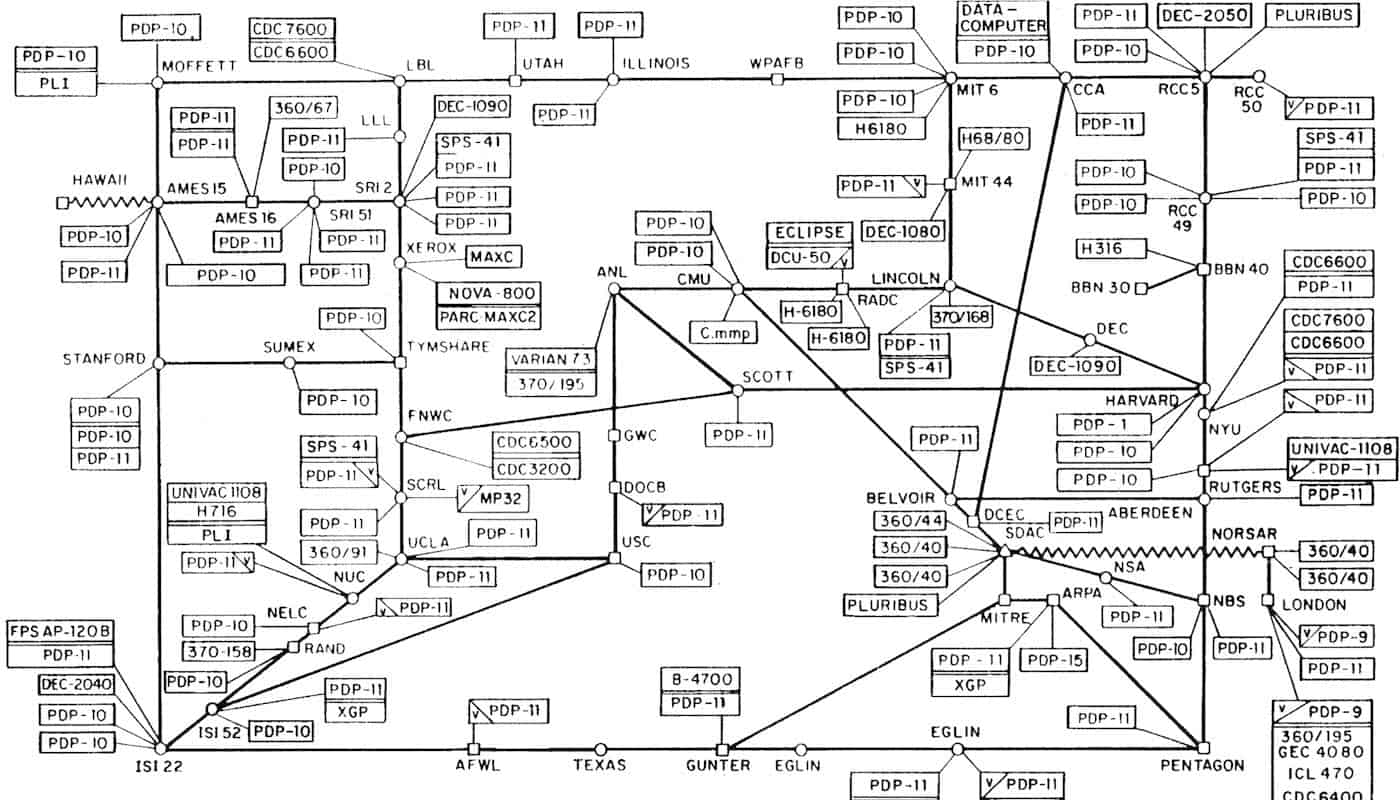
Email, social media and applications such as iTunes and the Google search engine are indispensable in our daily lives. Apart from being useful applications that have had a major impact on humanity, they have also ensured the mass adoption of the Internet technology itself. The applications are so important to us that we buy devices so we can use it, just like the light bulb resulting in the global acceptance of electricity. Such applications are also referred to as “killer apps”. PC Magazine calls them “the beginning of a completely new breed”. For computers, these were the precursors of Word and Excel: Visicalc and Wordperfect; for the Internet, the Mosaic web browser, email, and later iTunes and social media.

Many blockchain enthusiasts are also eagerly looking for the first real killer app for this new technology. Cryptocurrency traders find this particularly interesting because they think that the value of their currency will increase as a result, while technology enthusiasts want to make the many, groundbreaking benefits of safety, efficiency and decentralized options more accessible to consumers.

Experts stumble over each other while discussing developments within the blockchain technology that have led or might lead to the first killer app. On the one hand, there are applications such as CryptoKitties and the launch of the Bakkt crypto platform, and on the other hand, there is the successful implementation of the blockchain technology and additional benefits for industries ranging from online gaming, publishing, and travel to cross-border payments, the Internet of Things and supply chain management.

Vitalik Buterin, the founder of Ethereum, the largest cryptocurrency after Bitcoin, wrote:

“If there existed some particular application to show that blockchain technology is massively superior to anything else … then people would be loudly talking about it already … And so far, there has been no single application that anyone has come up with that has seriously stood out to dominate everything else on the horizon.”

However, it is still difficult for Western consumers to designate a real killer app. According to the recent reports from Deloitte and McKinsey, the successful developments in the field of blockchain mainly take place in the area of financial transactions. Furthermore, it appears that most successful implementations are mainly achieved by large companies themselves. They prefer to keep them secret for reasons of competition.

The investment bank Morgan Stanley also indicated that we are not there yet:

“We are now firmly in the middle of the proof-of-concept phase of development. Blockchain still hasn’t had a true test. Early signs are that this is a promising technology, but many of the big questions have yet to be answered, and it hasn’t been tested at scale in a complex, fast-moving business environment.”

If experts are correct and blockchain technology follows the same development path as the Internet, then it will certainly take another 10 years before we can expect a real killer app. In about five years the technology will end up on the “plateau of productivity” of the Gartner Hypecycle and will experience the same growth spurt in a further five years, similar to what the Internet experienced in terms of adoption and investment in its creation.

Personally, I think that shifting focus can certainly speed up the process. At present, a lot of time, money and attention is given to the efficiency successes that large companies make with the technology and the transforming effect it has on the global financial industry. Hopefully, these things continue to be considered.

I actually find the impact on developing countries much more interesting! There are 1.5 billion people without proof of identity (such as a Passport or birth certificate), more than 2 billion people without a bank account, much large data hacks every day and many countries are still suffering from corruption. The many practical blockchain solutions that tackle these global problems are, in my opinion, the real killer apps. Therefore they will really have the global impact that everyone is really waiting for.

Jan Scheele is active in the web3 (blockchain, crypto, NFTs, DeFi) industry since 2013. Besides (former) CEO of a web3 scaleup and founder of an advisory boutique (working for governments, family offices and several multinationals), he is Digital Leader at the World Economic Forum and Board Member at the Blockchain Netherlands Foundation (BCNL). He is writing, consulting, speaking and training regularly about everything web3, all over the world. Furthermore, he is currently finalizing his book about the rise and global impact of blockchain technology.

Jan Scheele

Jan Scheele werkt dertien jaar op het snijvlak van deep tech, strategie en leiderschap. Als keynote spreker en dagvoorzitter maakt hij technologie tastbaar voor boardrooms, directieteams en grote podia, zonder de complexiteit te versimpelen of te verbergen achter buzzwords.

Zijn achtergrond ligt in het bouwen. Als CEO van een technologie scale-up, oprichter van meerdere techbedrijven en organisator van meer dan vijftig TED-events wereldwijd zag hij van dichtbij hoe technologische keuzes doorwerken in strategie, governance en cultuur. Vanuit zijn betrokkenheid bij het World Economic Forum en de BCNL Foundation kijkt hij daarbij niet alleen naar wat technisch mogelijk is, maar ook naar wat bestuurlijk houdbaar en maatschappelijk wenselijk is.

Hij publiceerde vijf boeken, waarvan twee Amazon-bestsellers, en schrijft wekelijks over AI, blockchain en de organisatorische gevolgen van deep tech. Zijn blogs bereikten inmiddels meer dan twee miljoen lezers.

Stemmen, een nationale crypto en regulering; drie blockchain aandachtsgebieden voor overheden

Stemmen, een nationale crypto en regulering; drie blockchain aandachtsgebieden voor overheden

drie blockchain-aandachtsgebieden: Voor de zomer mogen wij maar liefst drie keer naar de stembus; voor de verkiezingen van de Provinciale Staten, het Europese Parlement en de Waterschappen. In mijn eerdere blogs schreef ik al over vele lokale overheden in Nederland die experimenteren met de blockchain technologie en hiermee wereldwijd voorop lopen. Ook onze nationale overheid wil vooroplopen, maar dan vooral op gebied van regelgeving rondom cryptovaluta. Drie andere mogelijkheden, waarmee onze Nederlandse overheid voorop kan lopen op gebied van blockchain technologie:

Stemmen met blockchain

Anno 2019 stemmen wij in ons technologisch waanzinnig ontwikkelde land nog steeds met een rood potlood en een gedrukt stembiljet. Alleen al bij mij in Limburg gingen vier gemeenten de stemmen hertellen tijdens de Gemeenteraadsverkiezingen vorig jaar, waarvoor in mijn woonplaats Maastricht maar liefst 50 ambtenaren twee dagen extra moesten gaan werken. Hoewel er ‘slechts’ 29 fouten werden geconstateerd, zorgde dit uiteindelijk wel dat het CDA een volle zetel moest afstaan aan D66.
Het stemproces is het hart van de democratie en moet in mijn optiek dan ook echt zo vlekkeloos mogelijk verlopen. In verschillende, vooral ontwikkelingslanden, zien we nog veel fraude en corruptie tijdens de verkiezingen; zaken die met de blockchain technologie kunnen worden voorkomen. Daarnaast kunnen uitslagen veel sneller bekend en transparant worden gemaakt, om het vertrouwen in het proces zelf ook te vergroten.

Sierra Leone was het eerste land wat verkiezingen op de blockchain zette en verschillende andere landen voerden daarna succesvolle proeven uit, zoals de Verenigde Staten, Zwitserland en Zuid Korea. Inmiddels zijn meer dan 30 landen, zoals Japan, Spanje en Ukraine bezig met te onderzoeken of ze stemmen via de blockchain mogelijk kunnen maken.

Onderzoekers zijn het nog niet eens of het een goed idee is om de technologie te implementeren. Het ene onderzoek wijst uit dat de opkomst toe neemt, maar het adviesrapport van de Radboud Universiteit aan de Tweede Kamer voorspelde vooral nog grote nadelen. Nadelen die verschillende bedrijven als Kasparsky (van de bekende virusscanner), FollowMyVote, Voatz en Agora al hebben weggenomen met hun applicaties.

Recent onderzoek van de Zwitserse overheid wees uit dat bijna 80% van de inwoners graag wil stemmen via de blockchain en dat slechts 2% hier tegen was. Hopelijk kunnen ook de rode potloden in Nederland binnenkort richting het museum van de democratie!

Een Nederlandse cryptovaluta

Waar verschillende overheden cryptovaluta vooral proberen te verbannen uit hun land, door handel en reclame er voor te verbieden, gaf de baas van het Internationaal Monetair Fonds (IMF) aan dat centrale banken serieus de invoering van een eigen cryptovaluta moeten overwegen, om betalingen sneller en veiliger te laten verlopen.

In 2014 kwam een onbekende IJslandse inwoner al met zijn Auroracoin, die de nationale munteenheid zou moeten vervangen. In 2015 lanceerden de overheden van Tunesië en Equador hun eigen cryptovaluta en verschillende andere landen zijn er momenteel mee aan het experimenteren. Dit is niet geheel omstreden; de Venezuelaanse overheid lanceerde de ‘Petro’, om onder andere de sancties van de VS tegen het land te omzeilen. Rusland schijnt om diezelfde reden, een eigen ‘cryptoroebel’ te willen introduceren.

In Europa wilde Estland voorop lopen met een eigen ‘Estcoin’, maar werd teruggeroepen door de Europese Centrale bank, die aangaf dat ‘geen enkele lidstaat een eigen munteenheid mag introduceren naast de Euro’. Hoewel de Nederlandse cryptovaluta ‘Gulden’ al door enthousiastelingen is opgezet, zal een variant vanuit onze overheid dan ook nog wel even op zich laten wachten.

Broodnodige regulering

Nederland wil een voortrekkersrol spelen op gebied van cryptovaluta in Europa, vooral op gebied van de aan- en verkoop van cryptovaluta en het opzetten van een zogenaamde Initial Coin Offering, volgens een recent voorstel van Minister Hoekstra.

Het zou de Nederlandse overheid sieren, als ze een paar stappen verder gaan en direct ook breder kijken naar algemene wet- en regelgeving rondom de blockchain technologie. Uit groot onderzoek van Deloitte, bleek dat onzekerheid en onduidelijkheid over regelgeving, momenteel de grootste reden is die organisaties tegenhoud om iets met blockchain te gaan doen. Gelukkig is de EU al volop bezig om de GDPR wetgeving blockchain vriendelijker te gaan maken, toch zijn er nog heel veel vragen rondom de nationale, wettelijke kaders van implementatie en het gebruik van de technologie door organisaties.

De mogelijkheden voor overheden met de blockchain technologie zijn eindeloos. Van praktische toepassingen, zoals het innen van belasting en het op de blockchain zetten van voedsellogistiek in Engeland en India, om verspilling tegen te gaan, tot wilde ideeën van een ‘Futarchy’, waar voorspellingsmarkten zoals Augur, bepalen welk overheidsbeleid het meeste effect heeft. Elke week lees ik wel weer over succesvol afgeronde pilots van overheden en gave nieuwe ideeën. Hopelijk kunnen we bij de volgende verkiezingen het potlood vervangen door een retinal scan!

Jan Scheele is CEO van International Blockchain Solutions en CEO van Blockformer Global. Hij is sinds 2015 actief in de blockchain industrie en schrijft, traint en spreekt regelmatig over blockchain en cryptovaluta in binnen- en buitenland. Daarnaast is hij momenteel bezig met het schrijven van een boek over de wereldwijde impact van de technologie.

Jan Scheele

Jan Scheele werkt dertien jaar op het snijvlak van deep tech, strategie en leiderschap. Als keynote spreker en dagvoorzitter maakt hij technologie tastbaar voor boardrooms, directieteams en grote podia, zonder de complexiteit te versimpelen of te verbergen achter buzzwords.

Zijn achtergrond ligt in het bouwen. Als CEO van een technologie scale-up, oprichter van meerdere techbedrijven en organisator van meer dan vijftig TED-events wereldwijd zag hij van dichtbij hoe technologische keuzes doorwerken in strategie, governance en cultuur. Vanuit zijn betrokkenheid bij het World Economic Forum en de BCNL Foundation kijkt hij daarbij niet alleen naar wat technisch mogelijk is, maar ook naar wat bestuurlijk houdbaar en maatschappelijk wenselijk is.

Hij publiceerde vijf boeken, waarvan twee Amazon-bestsellers, en schrijft wekelijks over AI, blockchain en de organisatorische gevolgen van deep tech. Zijn blogs bereikten inmiddels meer dan twee miljoen lezers.

Three Blockchain Focus Areas For Governments

Three Blockchain Focus Areas For Governments

Voting, national crypto, and regulation

Before this summer, the polls will open three times; for the elections of the Provincial States, the European Parliament, and the Water Boards. In my previous posts, I discussed how many local governments in the Netherlands are experimenting with blockchain technology and are at the forefront compared to the rest of the world. Our national government also wants to be at the forefront, but especially in the field of regulations regarding cryptocurrency. There are three ways in which our Dutch government can lead in the field of blockchain technology:

Vote With Blockchain

Anno 2019, despite our insanely technologically-developed country, we still vote by means of a red pencil and a printed ballot. In my home province Limburg alone, four municipalities had to recount the votes during the municipal elections last year, for which no fewer than 50 civil servants had to work two days extra in my hometown of Maastricht. Although “only” 29 errors were discovered, this eventually led to the CDA having to hand over a full seat to their political opponents, D66.

The voting process is the heart of democracy and, in my view, this should really go as smoothly as possible. In various other countries, especially in developing nations, we still witness a lot of fraud and corruption during elections; something that can be prevented with blockchain technology. In addition, results can be announced and made transparent much quicker to increase confidence in the process itself.

Sierra Leone was the first country to put elections on the blockchain and several other countries followed this up with successful tests. This includes the United States, Switzerland, and South Korea. More than 30 countries, such as Japan, Spain, and Ukraine, are currently investigating whether they can enable voting via the blockchain.

Researchers do not agree yet whether implementing technology is a good idea. One study indicates that the turnout will increase, but Radboud University’s advisory report to the House of Representatives mainly predicted major disadvantages. Disadvantages that already have been removed by applications from various companies such as Kaspersky (the well-known virus scanner), FollowMyVote, Voatz, and Agora.

Recent research by the Swiss government showed that almost 80% of the population would like to vote via the blockchain and that only 2% were against it. Hopefully, the red pencils in the Netherlands can soon be added to the museum of democracy!

A Dutch Cryptocurrency

Whereas various governments are trying to ban cryptocurrencies from their countries, by banning trade and advertising cryptocurrencies, the head of the International Monetary Fund (IMF) advocates that central banks should seriously consider introducing their own cryptocurrencies in order to make payments faster and to run more safely.

In 2014, an unknown Icelandic resident already introduced his Auroracoin, which should replace the national currency. In 2015, the governments of Tunisia and Equador launched their own cryptocurrency and several other countries are currently experimenting with it. This is not entirely uncontroversial; the Venezuelan government launched the “Petro” to, among other things, circumvent the US sanctions against the country. It appears that Russia, for the same reason, wants to introduce its own “CryptoRuble”.

In Europe, Estonia wanted to lead the way with its own “Estcoin”, but was recalled by the European Central Bank claiming that “no Member State may introduce its own currency in addition to the Euro”. Although enthusiasts have already introduced the Dutch cryptocurrency “Gulden”, it will take some time before the Dutch government will introduce its own variant.

Much Needed Regulation

According to a recent proposal by the Dutch Minister of Finance, Wopke Hoekstra, the Netherlands wants to play a pioneering role in the field of cryptocurrency in Europe, especially in the field of buying and selling cryptocurrency and setting up a so-called Initial Coin Offering.

It would be good for the Dutch government if they went a few steps further and immediately take a wider view regarding general laws and regulations concerning blockchain technology. A large study by Deloitte revealed that uncertainty and lack of clarity about regulations is currently the main reason that organizations have yet to embrace blockchain. Fortunately, the EU is already working hard to make the GDPR legislation blockchain more friendly, yet there are still many questions about the national legal frameworks for implementation and the use of technology by organizations.

Endless Possibilities

The possibilities are endless for governments with blockchain technology. From practical applications, such as collecting taxes and putting food logistics on the blockchain in England and India to prevent waste, to wild ideas of a “Futarchy” in which forecasting markets such as Augur determine which government policy has the most effect. Every week I read about successfully-completed pilots from governments and cool new ideas that are being introduced. Hopefully, we can replace the pencil with a retinal scan at the next election!

Jan Scheele is active in the web3 (blockchain, crypto, NFTs, DeFi) industry since 2013. Besides (former) CEO of a web3 scaleup and founder of an advisory boutique (working for governments, family offices and several multinationals), he is Digital Leader at the World Economic Forum and Board Member at the Blockchain Netherlands Foundation (BCNL). He is writing, consulting, speaking and training regularly about everything web3, all over the world. Furthermore, he is currently finalizing his book about the rise and global impact of blockchain technology.

Jan Scheele

Jan Scheele werkt dertien jaar op het snijvlak van deep tech, strategie en leiderschap. Als keynote spreker en dagvoorzitter maakt hij technologie tastbaar voor boardrooms, directieteams en grote podia, zonder de complexiteit te versimpelen of te verbergen achter buzzwords.

Zijn achtergrond ligt in het bouwen. Als CEO van een technologie scale-up, oprichter van meerdere techbedrijven en organisator van meer dan vijftig TED-events wereldwijd zag hij van dichtbij hoe technologische keuzes doorwerken in strategie, governance en cultuur. Vanuit zijn betrokkenheid bij het World Economic Forum en de BCNL Foundation kijkt hij daarbij niet alleen naar wat technisch mogelijk is, maar ook naar wat bestuurlijk houdbaar en maatschappelijk wenselijk is.

Hij publiceerde vijf boeken, waarvan twee Amazon-bestsellers, en schrijft wekelijks over AI, blockchain en de organisatorische gevolgen van deep tech. Zijn blogs bereikten inmiddels meer dan twee miljoen lezers.

De 5 belangrijkste blockchain ontwikkelingen in 2019

De 5 belangrijkste blockchain ontwikkelingen in 2019

De 5 belangrijkste blockchain ontwikkelingen in 2019: Het gaat een ontzettend interessant jaar worden voor blockchain. In het afgelopen jaar is heel hard gebouwd en volop geëxperimenteerd met de technologie. Enerzijds door de vele startups, die werken aan baanbrekende blockchain producten en oplossingen, anderzijds door organisaties die de technologie op verschillende manieren gebruiken en implementeren. Er worden enorme sprongen gemaakt op gebied van schaalbaarheid, privacy, efficiëntie, beveiliging en uiteraard regelgeving.

Volgens McKinsey zit de technologie echt nog in de pioniersfase van de ‘industry life cycle’ en een van de grootheden die aan de wieg heeft gestaan van de ontwikkeling van het concept in 1988, Tim May, ging zelfs verder door te zeggen dat de oprichter van Bitcoin en Blockchain zoals wij het nu kennen (de mysterieuze Satoshi Nakamoto), ‘zich zou schamen als hij de huidige status van de technologie zou zien’.

Desalniettemin wordt er door veel organisaties fors ingezet op blockchain. PWC becijferde gemiddeld $500.000 per bedrijf en 11% zelfs meer dan $10 miljoen. Volgens IBM, die 1500 mensen aan het werk heeft op 500 blockchain projecten, wordt dit hoofdzakelijk gedaan om kosten te besparen en processen efficiënter in te richten. Uiteindelijk denkt 74% van de executives, dat het uiteindelijk waarde gaat brengen binnen hun organisaties, wees onderzoek van Deloitte uit. Gartner voorspelt dat dit maar liefst $3.1 triljoen gaat zijn in 2030.

Een vraag die ik tijdens presenteren en van klanten vaak krijg; wat kunnen we in 2019 verwachten van de technologie? Bij deze mijn top 5 waar ik naar uit kijk:

Op zoek naar de succesvolle ‘use- en businesscase’

Waar media vooral de aandacht richten op mislukte blockchain implementaties, zoals die van Tony Chocolony of de technologie algemeen wegzetten als ‘een oplossing voor bijna niks’ en ‘een revolutie die uw leven nog even niet verandert’, komen er gelukkig dagelijks ook veel positieve berichten naar buiten, zoals van Albert Heijn, die haar logistieke processen al efficiënter inrichtte en de verschillende banken, zoals ING, die grote slagen maakt op bijvoorbeeld gebied van beveiliging. Dat is hard nodig, want komend jaar gaan concrete ‘use- en businesscases’ van de technologie, een belangrijke rol spelen in het succes en de verdere ontwikkeling ervan. Organisaties moeten uiteraard de investeringen kunnen verdedigen en gaan volgens Deloitte dan ook meer focussen op applicaties waar blockchain écht het verschil kan maken. Nog te vaak wordt gedacht dat de technologie de oplossing is voor alle wereldproblemen en gaan organisaties vooral kijken of de technologie geïmplementeerd kan worden, in plaats van te kijken of het de beste oplossing is. Soms blijken andere opkomende technologieën, zoals ‘robotics’ en ‘Artificial Intelligence’ een veel betere keuze.   

Herstellen van het imago

Vaak worden cryptovaluta en de blockchain technologie nog als één concept gezien, terwijl de technologie prima kan bestaan zonder crypto’s. Doordat de markt in digitale valuta in 2018 80% van haar waarde heeft verloren en nog steeds gebukt gaat onder grote volatiliteit, negatieve berichten over criminele transacties en fraude, heeft ook de blockchain technologie nog steeds een (in mijn ogen) onterecht imago.

Hoewel er in 2019 veel positieve ontwikkelingen worden verwacht (lees hier mijn 5 crypto voorspellingen van 2019) op gebied van cryptovaluta, zal blockchain zelf ook echt moeten werken aan het herstellen van haar imago. Vooral aangezien Forrester voorspelt dat 90% van de blockchain projecten, nooit het licht zal zien, wat uiteraard koren op de molen is van sceptici.

Overheden lopen verrassend voorop

Waar in het begin van het ontstaan van de blockchain, vooral werd gekeken naar een revolutie in het financiële systeem, lopen veel overheden momenteel ook voorop met het experimenteren met en succesvol implementeren van de technologie. Eerder schreef ik al enthousiast over de vele blockchain projecten die overheden in Nederland momenteel opzetten en uitvoeren. Hierdoor streven wij zelfs landen voorbij als Dubai en Singapore voorbij, volgens blockchain legende Vinay Gupta.

Overheden kiezen massaal voor de technologie, vanwege het hoge niveau qua beveiliging en verspreide karakter van de data die ze erop plaatsen. Het zijn inmiddels dan ook geen kleine experimenten meer; landen als Estland, Zwitserland en Thailand hebben al complete onderdelen van hun diensten op de blockchain gezet. IBM Heeft net een deal van $740 miljoen gesloten met de Australische overheid om de technologie te implementeren en in Frankrijk denkt men er over om €500 miljoen hiervoor vrij te maken.

Koppeling met IoT, ML en AI

In 2019 wordt verwacht dat 20% van de IoT ontwikkelingen worden ontwikkeld met blockchain. De vele, al werkende toepassingen, laten zien dat de samenwerking van beide technologien, vele gave, nieuwe ‘use cases’ veroorzaakt. Net als de samenwerking met technologien als ‘machine learning’ en ‘Artificial Intelligence’, versterkt het elkaar heel erg en zorgt het voor verschillende nieuwe, baanbrekende oplossingen. Sommige experts denken zelfs dat blockchain de ‘game changer’ gaat worden voor IoT.

DAPPS

De oprichter van Ethereum, Vitalik Buterin, voorspelde over 2019 dat “de volgende golf niet gebaseerd is op hype maar op werkende apps”. Hij wil met Ethereum een revolutie veroorzaken, door middel van zogenaamde ‘smart contracts’. Een belangrijke ontwikkeling in de blockchain technologie op het Ethereum netwerk, zijn ‘DAPPS’; decentrale applicaties waarvan de software en data (de naam zeg het al) decentraal zijn opgeslagen. Doordat bijvoorbeeld data niet meer centraal wordt opgeslagen, hebben partijen als banken en Facebook, straks niet meer de macht over de data van hun klanten. Dat gaat er uiteindelijk weer voor zorgen dat wij zelf weer controle krijgen over onze data en gegevens. Een mooi voorbeeld is Brave, waarmee je als gebruiker zelf bepaalde welke data je met de adverteerder deelt, die je daar vervolgens mee beloond in tokens. Echte revolutionaire applicaties moeten echter nog worden gelanceerd; de meest bekende en meest gebruikte is nog steeds de ‘CryptoKitties’, waarmee je digitale katten kan laten opgroeien en verzamelen. Veel experts verwachten echter dat we in 2019 veel belangrijke lanceringen van DAPPS gaan zien.

Uiteraard zijn er nog veel andere ontwikkelingen die we nu al zien op blockchain gebied, zoals de massale vraag naar blockchain experts, de sterk toenemende investeringen van venture capitalists in de technologie en vele mooie samenwerkingen binnen blockchain consortia zoals R3 (financiële instellingen), B3i (verzekeraars) en MOBI (autofabrikanten). Het komende jaar ga ik dan ook met heel veel enthousiasme en interesse de ontwikkelingen volgen!

Jan Scheele is CEO van International Blockchain Solutions en CEO van Blockformer Global. Hij is sinds 2015 actief in de blockchain industrie en schrijft, traint en spreekt regelmatig over blockchain en cryptovaluta in binnen- en buitenland. Daarnaast is hij momenteel bezig met het schrijven van een boek over de wereldwijde impact van de technologie.

Jan Scheele

Jan Scheele werkt dertien jaar op het snijvlak van deep tech, strategie en leiderschap. Als keynote spreker en dagvoorzitter maakt hij technologie tastbaar voor boardrooms, directieteams en grote podia, zonder de complexiteit te versimpelen of te verbergen achter buzzwords.

Zijn achtergrond ligt in het bouwen. Als CEO van een technologie scale-up, oprichter van meerdere techbedrijven en organisator van meer dan vijftig TED-events wereldwijd zag hij van dichtbij hoe technologische keuzes doorwerken in strategie, governance en cultuur. Vanuit zijn betrokkenheid bij het World Economic Forum en de BCNL Foundation kijkt hij daarbij niet alleen naar wat technisch mogelijk is, maar ook naar wat bestuurlijk houdbaar en maatschappelijk wenselijk is.

Hij publiceerde vijf boeken, waarvan twee Amazon-bestsellers, en schrijft wekelijks over AI, blockchain en de organisatorische gevolgen van deep tech. Zijn blogs bereikten inmiddels meer dan twee miljoen lezers.

The 5 Most Important Blockchain Developments In 2019

The 5 Most Important Blockchain Developments In 2019

It is going to be a very interesting year for blockchain. In the past year, the technology has been further developed and subjected to many experiments. This was done by the many startups working on groundbreaking blockchain products and solutions, as well as by organizations that implement the technology in different ways. Giant steps are currently being made in terms of scalability, privacy, efficiency, security and, of course, regulations.
 
 McKinsey claims that the technology is still in the pioneering phase of its industry life cycle. One of the people involved in founding the concept in 1988, Tim May, went further by saying that the founder of what we know today as Bitcoin and Blockchain (the mysterious Satoshi Nakamoto), “would be ashamed to see the current status of technology”.
 
 Nevertheless, many organizations are investing heavily in blockchain. PWC calculated an average of US$ 500,000 per company and 11% of organizations invest as much as US$ 10 million. According to IBM, which employs 1,500 people on 500 blockchain projects, the main reason to invest is to save costs and to organize processes more efficiently. A study by Deloitte concluded that, in the end, 74% of executives believe that it ultimately will bring value to their organization. Gartner predicts that this will be worth a whopping US$ 3.1 trillion in 2030.
 
 A question that is often posed to me during presentations and by clients is: What can we expect from the technology in 2019? Here are the top 5 developments that I’m looking forward to.

The Quest For The Successful “Use And Business Case”

Where the media predominantly focuses on failed blockchain implementations, such as that of Tony Chocolony, or generally portraying the technology as ‘a solution for almost nothing’ and ‘a revolution that doesn’t change your life for a while’, fortunately, there are many positive messages coming out every day. Such as that of the firm Albert Heijn, which has already streamlined its logistical processes more efficiently, and various banks such as ING, which is making great strides in areas such as security. These desperately-needed “use and business cases” of the technology will play an important role in its success and further development in the coming year.

Obviously, organizations must be able to defend their investments. According to Deloitte organizations will, therefore, focus more on applications where blockchain can really make a difference. Too often it is believed that technology provides a solution to all global problems, leading organizations to consider how the technology should be implemented instead of whether it should be. Sometimes choosing other emerging technologies, such as robotics and artificial intelligence, prove to be the better choice.

Restore The Image

Cryptocurrency and blockchain technology are often regarded as one concept. In fact, blockchain technology can easily exist without cryptos. Since the digital currency market lost 80% of its value in 2018 and still suffers from high volatility, as well as negative reports about criminal transactions and fraud, the blockchain technology also continues to suffer (in my eyes) from an incorrect image.
 Although many positive cryptocurrency developments are expected in 2019 (read here my 5 crypto predictions for 2019), blockchain itself will really have to work hard on restoring its image — especially as Forrester predicts that 90% of blockchain projects will never see the light, something that feeds the claims skeptics always has made.

Governments Are Surprisingly Ahead

Whereas at the start of the blockchain, many only observed the revolution in the financial system, currently many governments are at the forefront of experimenting with and successfully implementing the technology. In previous articles, I enthusiastically addressed the many blockchain projects the local governments in the Netherlands are currently setting up and implementing. According to blockchain legend Vinay Gupta, this has resulted in the Netherlands even overtaking countries like Dubai and Singapore.
 The high level of security and the scattered nature of the data in the blockchain has seen a large number of governments choosing the technology. Experiments are no longer small; countries such as Estonia, Switzerland, and Thailand have already placed entire elements of their services on the blockchain. IBM has just signed a $740 million deal with the Australian government to implement the technology, and France is considering making €500 million available for this.

Linking With IoT, ML, And AI

It is anticipated that in 2019 20% of IoT developments will be developed with blockchain. The many already-working applications are proof that the collaboration of both technologies can lead to many cool, new use cases. Like the collaboration with technologies such as machine learning and artificial intelligence, each greatly reinforces the other and provides various new, pioneering solutions. Some experts even believe that blockchain will become the game changer for IoT.

DAPPS

The founder of Ethereum, Vitalik Buterin, predicted for 2019 that “the next wave is not based on hype but on working apps.” He wants Ethereum to cause a small revolution by means of so-called “smart contracts”. An important development in the blockchain technology on the Ethereum network is “dapps”, decentralized applications of which the software and data (as the name states) are stored separately. Because data is no longer stored centrally, organizations such as banks and Facebook will soon no longer be in control of their customers’ data.

Ultimately, that will ensure that we ourselves regain control of our data. A good example is Brave, whereby the user decides which data they want to share with the advertiser, something that is rewarded in tokens. However, the real revolutionary applications still have to be introduced; “CryptoKitties” is still the best known and widely used application. It allows you to raise and collect digital cats. However, many experts predict many important app launches in 2019.
 
 Of course, there have been many other developments witnessed in the area of blockchain, such as the massive demand for blockchain experts, the sharply increasing investments of venture capitalists in technology, and many great collaborations within blockchain consortia such as R3 (financial institutions), B3i (insurers) and MOBI (car manufacturers). I, therefore, will follow the developments with great enthusiasm and interest in the coming year!

CEO of Web3

Jan Scheele is active in the web3 (blockchain, crypto, NFTs, DeFi) industry since 2013. Besides (former) CEO of a web3 scaleup and founder of an advisory boutique (working for governments, family offices and several multinationals), he is Digital Leader at the World Economic Forum and Board Member at the Blockchain Netherlands Foundation (BCNL). He is writing, consulting, speaking and training regularly about everything web3, all over the world. Furthermore, he is currently finalizing his book about the rise and global impact of blockchain technology.

Jan Scheele

Jan Scheele werkt dertien jaar op het snijvlak van deep tech, strategie en leiderschap. Als keynote spreker en dagvoorzitter maakt hij technologie tastbaar voor boardrooms, directieteams en grote podia, zonder de complexiteit te versimpelen of te verbergen achter buzzwords.

Zijn achtergrond ligt in het bouwen. Als CEO van een technologie scale-up, oprichter van meerdere techbedrijven en organisator van meer dan vijftig TED-events wereldwijd zag hij van dichtbij hoe technologische keuzes doorwerken in strategie, governance en cultuur. Vanuit zijn betrokkenheid bij het World Economic Forum en de BCNL Foundation kijkt hij daarbij niet alleen naar wat technisch mogelijk is, maar ook naar wat bestuurlijk houdbaar en maatschappelijk wenselijk is.

Hij publiceerde vijf boeken, waarvan twee Amazon-bestsellers, en schrijft wekelijks over AI, blockchain en de organisatorische gevolgen van deep tech. Zijn blogs bereikten inmiddels meer dan twee miljoen lezers.

5 Cryptocurrency Developments To Look Forward To In 2019

5 Cryptocurrency Developments To Look Forward To In 2019

2018 turned out to be a disaster year for many investors in cryptocurrency. Expectations were high after the crazy price increases of Bitcoin and other cryptocurrencies witnessed prior to and in 2017. Unfortunately, after an all-time high in January, crypto prices soon dropped to a low point and many coins lost up to 95% of their value. The many hacks, scams, regulations, the Google/Facebook ban on crypto-related advertisements, and the war in the Bitcoin Cash camp attributed to the negative exchange rates. In the past year, the media declared Bitcoin dead more than 100 times and its link to the many “altcoins” ensured that those rates were highly dependent on those of “mother” Bitcoin and therefore also decreased significantly. Despite researching the Netherlands showing that the number of investors in cryptocurrency has decreased by 100,000, another recent study showed that the number of investors worldwide has doubled. During my lectures, I am often queried about the most important developments in the field of cryptocurrency that 2019 has in stock for us.

Here are my top 5:

Mass Adoption With BAKKT?

BAKKT is one of the most discussed and promising projects that cryptocurrency must make accessible to the general public. The preparations for the launch of this open and regulated trading platform should give users the option to not only to trade in cryptocurrency and assets but to also store and spend them.

With the platform being funded by the owner of the New York Stock Exchange and built in collaboration with Microsoft and Starbucks, it has the involvement of some serious organizations and individuals.
 The involvement of Starbucks is very interesting since most payments in the United States are currently made with the Starbucks app, even more, than with Apple Pay. In addition, the regulated trading in a transparent platform and the solution it offers for transaction times has drawn the attention from many large institutional investors and it may turn the stock market upside down. Unfortunately, the launch of the platform has already been delayed twice, since more time is needed for both streamlining the customer registration process and for obtaining approval from the US government. However, various authoritative experts from the sector claim that this won’t last much longer.

Will there finally be an ETF in 2019?

While BAKKT is ready to be launched, it remains very unclear when the first ETF will be approved. An Exchange Traded Fund is a so-called “index tracker”, which follows the official price of an asset without the owner owning it. It enables investors to easily speculate on the price rise or fall of Bitcoin without owning the crypto. This offers a solution to many investors since they don’t want all the hassle that comes with purchasing Bitcoin and other cryptocurrencies. It is anticipated that the approval of the first ETF will see a large influx of institutional investors with significant amounts of money to spend. Often the comparison is made with the first ETFs on gold, which has multiplied the value of the precious metal many times.

There have been dozens of proposals for ETFs, but they have all been rejected by the US SEC, as they consider the market to not yet be sufficiently regulated and developed. According to the SEC, there is still insufficient evidence for the required size and volume of the market and too much chance of manipulation and fraud. The STC claims that there is a lack of regulations to prevent this from happening and, if it does, to punish it. The ETF application from VanEck, the party known for its ETFs on gold, currently has the best chance of success.

Unfortunately, the decision on this application has already been postponed a few times. The absence of practical solutions to combat fraud is the reason why various experts don’t expect that it will be approved in 2019. That would be a pity as the approval of an ETF will be precisely the “stamp of approval” many institutional investors are waiting for to invest in cryptocurrencies.

Does The Institutional Tidal Wave Follow?

Apart from BAKKT and ETFs, there are also many other projects that can facilitate a tidal wave of institutional money flowing into the cryptomarket. This will, of course, be one of the most important developments for the market for both confidence and influence on prices. Many companies are eager to invest, but the lack of the right infrastructure and regulations has made them hesitate.

Various products that resemble ETFs are already active. BinckBank offers a Bitcoin ETN and certificates in Switzerland can be used to invest in a basket of cryptocurrencies via Bitcoin and ETP. It is also possible to trade in Bitcoin futures and swaps via Bitmex, providing you first buy Bitcoins yourself.

Various launches of crypto platforms are also expected from the largest players in the global financial market in the coming years. For example, one of the biggest asset managers in the world, Fidelity, will offer its own service from early 2019 to allow large investors to invest in Bitcoin and other cryptocurrencies. The American Nasdaq too will offer Bitcoin futures.
The German Boerse Stuttgart and ErisX also expect to be able to offer services to enable institutional investors to trade in cryptocurrency from the start of this year.

Performing Projects

One of the positive aspects of the cryptomarket crash in the past year has been the self-cleaning capability. Almost all predictions assume that 90–95% of the cryptos will fail. According to the Deadcoins site, we have reached the halfway mark of the 2,000 known cryptocurrencies. This is important for the sector since many scams and drools projects attributed to the poor reputation. Companies in the bear market that endured the ‘survival of the fittest’ test have worked hard in the past year on the products that they have promised. Many breakthroughs are therefore expected in the coming year, which will, of course, have a positive influence on the rate.

Regulation

The rapid emergence of cryptocurrency meant that governments lagged behind with their regulations. Fraud has been and continues to be committed in various ways and there are still things happening with regular stock trading on a daily basis that is prohibited and punishable. That is why several governments have banned the trade. Good regulation is desperately needed to give the market a more trustworthy character, to provide stability and to enable it to achieve its real potential. Various authorities are working hard to soon establish a framework with regulations. For example, much is expected from the guidelines that the G7’s Financial Action Task Force on Money Laundering (FATF) will publish in June, and the US government has already prepared several proposed frameworks that are ready for publication.

Of course, there are many other developments that the coming year has in stock. The price increases witnessed in recent weeks, and the positive sentiment I have noticed very clearly among the many investors and experts, make me look forward to the coming year!

Jan Scheele is active in the web3 (blockchain, crypto, NFTs, DeFi) industry since 2013. Besides (former) CEO of a web3 scaleup and founder of an advisory boutique (working for governments, family offices and several multinationals), he is Digital Leader at the World Economic Forum and Board Member at the Blockchain Netherlands Foundation (BCNL). He is writing, consulting, speaking and training regularly about everything web3, all over the world. Furthermore, he is currently finalizing his book about the rise and global impact of blockchain technology.

Jan Scheele

Jan Scheele werkt dertien jaar op het snijvlak van deep tech, strategie en leiderschap. Als keynote spreker en dagvoorzitter maakt hij technologie tastbaar voor boardrooms, directieteams en grote podia, zonder de complexiteit te versimpelen of te verbergen achter buzzwords.

Zijn achtergrond ligt in het bouwen. Als CEO van een technologie scale-up, oprichter van meerdere techbedrijven en organisator van meer dan vijftig TED-events wereldwijd zag hij van dichtbij hoe technologische keuzes doorwerken in strategie, governance en cultuur. Vanuit zijn betrokkenheid bij het World Economic Forum en de BCNL Foundation kijkt hij daarbij niet alleen naar wat technisch mogelijk is, maar ook naar wat bestuurlijk houdbaar en maatschappelijk wenselijk is.

Hij publiceerde vijf boeken, waarvan twee Amazon-bestsellers, en schrijft wekelijks over AI, blockchain en de organisatorische gevolgen van deep tech. Zijn blogs bereikten inmiddels meer dan twee miljoen lezers.

5 belangrijke ontwikkelingen in 2019 op cryptovaluta gebied om naar uit te kijken

5 belangrijke ontwikkelingen in 2019 op cryptovaluta gebied om naar uit te kijken

Voor veel beleggers in cryptovaluta, was 2018 een rampjaar. Na de waanzinnige koersstijgingen van Bitcoin en andere cryptovaluta in 2017 en daarvoor, waren de verwachtingen hooggespannen. Helaas daalden de prijzen van de crypto’s na een ‘All Time High’ in januari, al snel naar een dieptepunt en verloren vele munten tot wel 95% van hun waarde. De vele hacks, scams, reguleringen, het verbod van Google / Facebook op crypto gerelateerde advertenties en oorlog in het kamp van Bitcoin Cash, hebben verre van positieve invloed gehad op de koersen. Bitcoin is het afgelopen jaar meer dan 100 keer ‘dood’ verklaard door de media en haar koppeling met de vele ‘altcoins’, zorgde ervoor dat de koersen ervan sterk afhankelijk waren van die van ‘moeder’ Bitcoin en dus ook sterk mee daalden. Hoewel onderzoek in Nederland heeft uitgewezen dat het aantal investeerders in cryptovaluta met 100.000 is afgenomen, bleek uit een ander recent onderzoek dat wereldwijd het aantal investeerders is verdubbeld.

Tijdens mijn spreekbeurten, wordt ik vaak gevraagd naar de belangrijkste ontwikkelingen op cryptovaluta gebied, die ons in 2019 te wachten staan. Mijn top 5:

Massa adoptie met BAKKT?

Een van de meest besproken en veelbelovende projecten, die cryptovaluta voor het grote publiek toegankelijk moet maken, is BAKKT. De voorbereidingen voor de lancering van dit open en gereguleerde handelsplatform, moet gebruikers niet alleen de mogelijkheid geven om te handelen in cryptovaluta en assets, maar ook om ze te bewaren en uit te geven.

Het platform wordt gefinancierd door de eigenaar van de New York Stock Exchange en gebouwd in samenwerking met Microsoft en Starbucks, niet de minste namen.

De betrokkenheid van Starbucks is hierin erg interessant, aangezien in de Verenigde Staten momenteel de meeste betalingen worden uitgevoerd met de Starbucks app, nog meer dan met Apple Pay. Daarnaast zorgt het gereguleerde handelen in een transparant platform en de oplossing voor transactietijden ervoor, dat er vanuit vele grote institutionele beleggers al grote interesse is getoond in het platform en het de beurswereld wel eens op zijn kop kan gaan zetten. Helaas is de lancering van het platform al twee keer uitgesteld, aangezien er meer tijd nodig is voor zowel het stroomlijnen van het registratieproces van klanten en de goedkeuring van de Amerikaanse overheid. Dit zal echter niet lang meer op zich laten wachten volgens verschillende, gezaghebbende experts uit de sector.

Komt er eindelijk een ETF in 2019?

Waar BAKKT klaar staat om gelanceerd te worden, blijft de goedkeuring van een eerste ETF nog zeer onduidelijk. Een Exchange Traded Fund is een zogenaamde ‘indextracker’, die de officiële koers van een asset volgt, zonder dat de eigenaar de asset in bezit heeft. Beleggers kunnen dus heel makkelijk speculeren op de koersstijging of daling van Bitcoin, zonder de crypto te bezitten. Voor veel beleggers is dit een uitkomst, aangezien zij niet alle rompslomp willen bij het aankopen van Bitcoin en andere cryptovaluta. Bij het goedkeuren van de eerste ETF, wordt dan ook een grote toeloop van institutionele beleggers verwacht met significante hoeveelheden geld. Er wordt vaak de vergelijking gemaakt met de eerste ETFs op goud, welke de waarde van het edelmetaal vele malen vermenigvuldigden.

Er zijn al tientallen voorstellen geweest voor ETFs, maar die zijn allemaal afgekeurd door de Amerikaanse SEC, aangezien zij de markt nog niet voldoende gereguleerd en ontwikkeld vinden. Er is volgens de SEC nog onvoldoende bewijs voor de benodigde grootte en volume van de markt, te veel kans op manipulatie en fraude en geen regelgeving om dit te voorkomen en bestraffen. De ETF-aanvraag van VanEck, de partij die bekend staat vanwege haar ETFs op goud, heeft momenteel de meeste kans van slagen. Helaas is de beslissing hierover al een paar keer uitgesteld. Verschillende experts verwachten ook niet dat het in 2019 tot een goedkeuring zal komen, aangezien er nog geen concrete oplossingen zijn om fraude tegen te gaan. Jammer, want de goedkeuring van een ETF is juist de ‘stamp of approval’ voor veel institutionele beleggers om te investeren in cryptocurrencies.

Volgt de institutionele vloedgolf?

Naast BAKKT en de ETFs, zijn er ook vele andere projecten, die een vloedgolf van institutioneel geld in de cryptomarkt kunnen gaan faciliteren. Dit zal uiteraard een van de belangrijkste ontwikkelingen voor de markt zijn voor zowel het vertrouwen als de invloed op de koersen. Vele bedrijven staan te popelen om te investeren, maar missen nog de juiste infrastructuur en regelgeving en hebben daarom de boot nog afgehouden.

Er zijn inmiddels al verschillende producten actief, die lijken op ETFs. BinckBank bied een Bitcoin ETN aan en in Zwitserland kan al middels certificaten in Bitcoin en ETP in een mandje cryptocurrencies worden geïnvesteerd. Ook is het al mogelijk om via Bitmex in Bitcoin futures en swaps te handelen, maar hiervoor moet je wel eerst zelf Bitcoins kopen.

In het komende jaar worden ook verschillende lanceringen van crypto-platformen verwacht van de grootste spelers in de wereldwijde financiële markt. Zo zal een van de grootste vermogensbeheerders ter wereld, Fidelty, begin 2019 een eigen dienst aanbieden waarmee grote beleggers kunnen investeren in Bitcoin en andere cryptovaluta. Ook de Amerikaanse Nasdaq gaat Bitcoin Futures aanbieden.

Ook de Duitse Boerse Stuttgart en ErisX verwachten in het begin van dit jaar diensten aan te bieden, om de handel in cryptovaluta voor institutionele beleggers mogelijk te maken.

Performing Projects

Een van de positieve aspecten van de crash van de cryptomarkt in het afgelopen jaar, is het zelfreinigende vermogen geweest. Bijna alle voorspellingen gaan er vanuit dat 90-95% van de crypto’s ten gronde zal gaan. Volgens de site Deadcoins zitten we inmiddels al op de helft van de 2000 bekende cryptovaluta. Dit is belangrijk voor de sector, aangezien veel ‘scams’ en onzinprojecten, de valuta geen goede naam hebben bezorgd. Het afgelopen jaar is er in de bearmarkt hard gebouwd door de bedrijven die de ‘survival of the fittest’ test hebben overleefd aan de door hun beloofde producten. In het komende jaar worden dan ook vele doorbraken verwacht, die uiteraard een positieve invloed op de koers gaan hebben.

Regulering

Door de snelle opkomst van cryptovaluta, liepen overheden met hun regelgeving steeds achter de feiten aan. Op verschillende wijzen werd en wordt nog steeds fraude gepleegd en gebeuren er op dagelijkse basis nog steeds dingen, die met de reguliere aandelenhandel verboden en strafbaar zijn. De reden voor verschillende overheden, om de handel nu te verbieden. Om de markt een vertrouwder karakter te geven, stabiliteit te geven en haar echte potentieel te laten bereiken, is goede regelgeving hard nodig. Er wordt hard gewerkt door de verschillende overheden om op korte termijn een raamwerk klaar te hebben met reguleringen. Zo wordt er veel verwacht van de richtlijnen die de Financial Action Task Force on Money Laundering (FATF) van de G7 in juni gaat publiceren en heeft de Amerikaanse overheid inmiddels ook al verschillende ramwerken klaar ter publicatie.

Uiteraard zijn er nog vele andere ontwikkelingen die op stapel staan in het komende jaar. Met de koersstijgingen van de afgelopen weken en het positieve sentiment wat ik onder de vele beleggers en experts heel duidelijk merk, kijk ik uit naar het komende jaar!

Jan Scheele is CEO van International Blockchain Solutions en CEO van Blockformer Global. Hij is sinds 2015 actief in de blockchain industrie en schrijft, traint en spreekt regelmatig over blockchain en cryptovaluta in binnen- en buitenland. Daarnaast is hij momenteel bezig met het schrijven van een boek over de wereldwijde impact van de technologie.

Jan Scheele

Jan Scheele werkt dertien jaar op het snijvlak van deep tech, strategie en leiderschap. Als keynote spreker en dagvoorzitter maakt hij technologie tastbaar voor boardrooms, directieteams en grote podia, zonder de complexiteit te versimpelen of te verbergen achter buzzwords.

Zijn achtergrond ligt in het bouwen. Als CEO van een technologie scale-up, oprichter van meerdere techbedrijven en organisator van meer dan vijftig TED-events wereldwijd zag hij van dichtbij hoe technologische keuzes doorwerken in strategie, governance en cultuur. Vanuit zijn betrokkenheid bij het World Economic Forum en de BCNL Foundation kijkt hij daarbij niet alleen naar wat technisch mogelijk is, maar ook naar wat bestuurlijk houdbaar en maatschappelijk wenselijk is.

Hij publiceerde vijf boeken, waarvan twee Amazon-bestsellers, en schrijft wekelijks over AI, blockchain en de organisatorische gevolgen van deep tech. Zijn blogs bereikten inmiddels meer dan twee miljoen lezers.

Blockchain / cryptocurrency’s beter begrijpen? Deze 7 TED talks kan ik zeer aanbevelen!

Blockchain / cryptocurrency’s beter begrijpen? Deze 7 TED talks kan ik zeer aanbevelen!

Zoals ik al in een eerdere blog schreef; een recent onderzoek van de HSBC bank, wees uit dat 60% van de consumenten nog nooit van blockchain heeft gehoord en dat 80% van de consumenten die er wel wat van hebben gehoord, er niks van begrijpen. Dagelijks krijg ik van mensen het verzoek om in makkelijke taal uit te leggen wat blockchain is, wat Bitcoin hier mee te maken heeft en wat dit nu eigenlijk gaat betekenen voor onze maatschappij.

Mijn top 7 TED talks, die deze vragen op een begrijpelijke manier uitleggen:

  • Bettina Warburg – “How the blockchain will radically transform the economy”
    Dit is een van mijn favorieten, aangezien Bettina op een makkelijk te begrijpen manier uitlegt, hoe blockchain de moderne economie zal gaan veranderen en de rol van financiele instellingen en overheden verkleint. Deze onderzoeker en ondernemer in de sector, wordt ook wel omschreven als “one of the thought-leaders in the emerging blockchain space”.
  • Neha Narula – “The future of money
    Neha is directeur van het ‘Digital Currency Initiative’ binnen het zeer gerenommeerde MIT Media Lab. Ook haar TED talk gaat over het verkleinen van de rol van financiele instellingen in overheden, maar geeft daarnaast een heel mooi idee hoe de toekomst van geld er volgens haar uit gaat zien.
  • Don Tapscott – “How the blockchain is changing money and business
    Net als zijn boek, wat ik ook zeer kan aanraden, is deze TED talk ook zeker aan te raden om een mooie introductie te krijgen over blockchain. De focus in deze talk is vooral op de werking van de blockchain technologie zelf en een aantal toepassingen die wereldwijd voor grote, positieve veranderingen gaan zorgen in verschillende sectoren.
  • Galia Benartzi – “The Value Revolution: How Blockchain Will Change Money & the World
    Een TEDx talk, maar minstens even goed als de bovengenoemde TED talks. Galia belicht de kracht van de nieuwe ontwikkelingen binnen digitale valuta. Ze zoomt hier niet alleen in op de manier van hoe wij geld versturen en ontvangen, maar praat ook over verschillende andere toepassingen, die zij vanuit haar achtergrond als ondernemer en community builder, ziet.
  • Charles Hoskinson – “The future will be decentralized
    Charles is een van de grootheden binnen de sector. Een zeer getalenteerde wiskundige, die onder andere aan het zeer bekende Cardano project werkt en CEO is geweest van Ethereum. Hij gaat in op de impact op onderwijs en de juridische wereld. Door het gebruik van verschillende, actuele problemen, illustreert hij perfect de impact van de technologie in bijvoorbeeld ontwikkelingslanden.
  • Richie Etwaru – “Blockchain: Massively Simplified
    Met een achtergrond als auteur, professor, ondernemer en houder van verschillende internationale patenten in de sector, is Richie zeker een interessante persoon om naar te luisteren. Hij breekt alle belangrijke basis principes van de blockchain technologie in hapklare brokken uiteen. Daarnaast vond ik de risico’s voor disruptie interessant om te horen.
  • Rachel Botsman – “How We’ve Stopped Trusting Institutions and Started Trusting Strangers
    Deze geweldige verhalenverteller, is gespecialiseerd in het zo simpel mogelijk uitleggen van grote, complexe ideeen. Perfect dus om de blockchain technologie eens goed uit te leggen aan een leek! J. Rachel gaat hierin verder dan alleen het uitleggen van de technologie; ze zoomt ook mooi in op het verschuiven van vertrouwen richting onbekende mensen, ideeen en bedrijven en de impact op de maatschappij die dit gaat hebben`

Jan Scheele is CEO van International Blockchain Solutions en CEO van Blockformer Global. Hij is sinds 2015 actief in de blockchain industrie en schrijft, traint en spreekt regelmatig over blockchain en cryptovaluta in binnen- en buitenland. Daarnaast is hij momenteel bezig met het schrijven van een boek over de wereldwijde impact van de technologie.

Jan Scheele

Jan Scheele werkt dertien jaar op het snijvlak van deep tech, strategie en leiderschap. Als keynote spreker en dagvoorzitter maakt hij technologie tastbaar voor boardrooms, directieteams en grote podia, zonder de complexiteit te versimpelen of te verbergen achter buzzwords.

Zijn achtergrond ligt in het bouwen. Als CEO van een technologie scale-up, oprichter van meerdere techbedrijven en organisator van meer dan vijftig TED-events wereldwijd zag hij van dichtbij hoe technologische keuzes doorwerken in strategie, governance en cultuur. Vanuit zijn betrokkenheid bij het World Economic Forum en de BCNL Foundation kijkt hij daarbij niet alleen naar wat technisch mogelijk is, maar ook naar wat bestuurlijk houdbaar en maatschappelijk wenselijk is.

Hij publiceerde vijf boeken, waarvan twee Amazon-bestsellers, en schrijft wekelijks over AI, blockchain en de organisatorische gevolgen van deep tech. Zijn blogs bereikten inmiddels meer dan twee miljoen lezers.

Understand Blockchain And Cryptocurrencies Better

Understand Blockchain And Cryptocurrencies Better

Here are 7 TED talks I can highly recommend!

As mentioned in a previous post: a recent survey by the HSBC bank showed that 60% of consumers have never heard of blockchain and that 80% of consumers who have heard of it don’t understand it. Daily, I receive requests from people to explain in simple language what blockchain is, what Bitcoin has to do with it and what this will actually mean for our society.

Here are my top 7 TED talks, which explain these questions in an easy-to-understand way:

1) Bettina Warburg — “How The Blockchain Will Radically Transform The Economy”

This is one of my favorites since Bettina explains in an easy-to-understand way how blockchain will change the modern economy and reduce the role of financial institutions and governments. This researcher and entrepreneur in the sector are also described as “one of the thought leaders in the emerging blockchain space”.

2) Neha Narula — “The Future Of Money”

Neha is Director of the Digital Currency Initiative within the highly renowned MIT Media Lab. Her TED talk is also about reducing the role of financial institutions in governments, but also offers a very good insight into her idea of what the future of money will look like.

3) Don Tapscott — “How The Blockchain Is Changing Money And Business”

Just like his book, which I can highly recommend, this TED talk is definitely recommended to get a nice introduction to blockchain. The focus of this talk is mainly on how the blockchain technology itself works as well as a number of applications that will cause major, positive changes in various sectors worldwide.

4) Galia Benartzi — “The Value Revolution: How Blockchain Will Change Money & The World”

A TEDx talk, but definitely as good as the TED talks mentioned above. Galia highlights the power of new developments within digital currencies. Not only does she zoom in on how we send and receive money, but also talks about various other applications that she sees from her background as an entrepreneur and community builder.

5) Charles Hoskinson — “The Future Will Be Decentralized”

Charles is one of the greats within the sector. He is a very talented mathematician who works on the well-known Cardano project and has been CEO of Ethereum. He discusses the impact on education and the legal world. By using various current issues, he also perfectly illustrates the impact of technology in developing countries.

6) Richie Etwaru — “Blockchain: Massively Simplified”

With a background as an author, professor, entrepreneur and holder of various international patents in the sector, Richie is certainly an interesting person to listen to. He breaks down all the important basic principles of blockchain technology into bite-sized chunks. I also found the risks of disruption interesting to hear.

7) Rachel Botsman — “How We’ve Stopped Trusting Institutions and Started Trusting Strangers”

This great storyteller specializes in explaining large, complex ideas as simply as possible. She is the perfect person to explain the blockchain technology to a layman! J. Rachel goes further than just explaining the technology; she also zooms in nicely on shifting trust towards unknown people, ideas and companies and the impact on society that this is going to have.

Jan Scheele is active in the web3 (blockchain, crypto, NFTs, DeFi) industry since 2013. Besides (former) CEO of a web3 scaleup and founder of an advisory boutique (working for governments, family offices and several multinationals), he is Digital Leader at the World Economic Forum and Board Member at the Blockchain Netherlands Foundation (BCNL). He is writing, consulting, speaking and training regularly about everything web3, all over the world. Furthermore, he is currently finalizing his book about the rise and global impact of blockchain technology.

Jan Scheele

Jan Scheele werkt dertien jaar op het snijvlak van deep tech, strategie en leiderschap. Als keynote spreker en dagvoorzitter maakt hij technologie tastbaar voor boardrooms, directieteams en grote podia, zonder de complexiteit te versimpelen of te verbergen achter buzzwords.

Zijn achtergrond ligt in het bouwen. Als CEO van een technologie scale-up, oprichter van meerdere techbedrijven en organisator van meer dan vijftig TED-events wereldwijd zag hij van dichtbij hoe technologische keuzes doorwerken in strategie, governance en cultuur. Vanuit zijn betrokkenheid bij het World Economic Forum en de BCNL Foundation kijkt hij daarbij niet alleen naar wat technisch mogelijk is, maar ook naar wat bestuurlijk houdbaar en maatschappelijk wenselijk is.

Hij publiceerde vijf boeken, waarvan twee Amazon-bestsellers, en schrijft wekelijks over AI, blockchain en de organisatorische gevolgen van deep tech. Zijn blogs bereikten inmiddels meer dan twee miljoen lezers.

Wat zijn stablecoins en waarom zijn ze belangrijk?

Wat zijn stablecoins en waarom zijn ze belangrijk?

Afgelopen dagen kwam Bloomberg met twee belangrijke onthullingen voor de cryptomarkt. Allereerst zou Facebook aan een eigen cryptomunt werken voor Whatsapp. Deze ‘stablecoin’ zou als eerste getest gaan worden in India en zal worden ingezet voor betalingen tussen gebruikers via de chatapp. Daarnaast zou de stablecoin Tether genoeg fiat reserves (Dollars) op de bankrekening hebben staan, om aan de beloofde 1-1 ratio te voldoen met de hoeveelheid Tether munten die in omloop zijn. Wat zijn stablecoins en waarom zijn ze zo belangrijk?

Stablecoins zijn het gevolg van een zoektocht naar de oplossing voor de hevige volatiliteit van cryptocurrency’s in de afgelopen jaren. Omdat de prijzen hiervan op een open markt worden bepaald, stijgen of dalen sommige coins op een dag meer dan 10% in waarde. Om een massa adoptie te faciliteren, moet volgens de meeste experts een oplossing gevonden worden voor de volatiliteit, om het echt een betaalmiddel te laten zijn. Het is hierdoor momenteel lastig te gebruiken door welwillende ondernemers en ondermijnt het vertrouwen in de markt.

Het stabiliseren van een munt door centrale overheden is ook erg complex en dit gaan dan ook wel eens fout, zoals in Zimbabwe en Venezuela. In 1992 lukte het zelfs een Hongaarse hacker om het stabiliteitssysteem van de Bank of England te misbruiken, wat het land meer dan 3 miljard euro kostte. Complex of niet, er zijn inmiddels al meer dan 50 stablecoin projecten in ontwikkeling en kan je er 23 ook al echt gebruiken.

In principe kan elke mogelijke bestaande activa aan de stablecoin worden gekoppeld, al is dat nu vooral fiat (regulier) geld, zoals Dollar/Euro’s en edelmetalen zoals goud. Er zijn momenteel drie soorten stablecoins bekend; de ‘asset backed’ (gekoppeld aan Dollars, goud etc zoals Tether, EURS, DigixDao en Gemeni), de ‘crypto-backed’ (ondersteunt door een onderpand van 1 of meerdere cryptocurrencies, zoals DAI en Havyen) en de ‘algorithm-backed’ (Zoals Basis en Reserve). Bij dit laatste type, wordt de waarde stabiel gemaakt door een monetair beleid, net als dat centrale banken dit momenteel doen in landen, door munten te slaan om koersen te laten dalen en munten in te kopen door koersen te laten stijgen.

Net als met de blockchain technologie, staan de stabelcoin projecten nog aan de beginfase van de ontwikkeling. Er moet nog heel wat water door de Rijn stromen, voordat deze coins massaal gebruikt gaan worden. Het gebruik van Tether gaat dan al wel door het dak, er liggen nog vele uitdagingen en zorgen in het verschiet. Zo was het lang onduidelijk, of Tether wel genoeg Dollars had, om de beloofde 1-1 ratio in stand te houden. Doordat de 1-1 ratio door een centrale autoriteit in stand moet wordt gehouden, gaat het decentrale blockchain gedachtengoed redelijk verloren en kan een dergelijke munt makkelijk worden gecensureerd door een overheid door bijvoorbeeld transacties te laten blokkeren.

Crypto-backed stablecoins lopen uiteraard het risico dat het onderpand, de crypo’s in waarde dalen en de algalorytme-backed stablecoins zijn momenteel nog veel te complex om in werking te brengen.

Dat stablecoins positief bijdragen aan massa adoptie en het vertrouwen in digitale valuta, staat buiten kijf.  In het komende jaar, gaan we verschillende gave ontwikkelingen op dit vlak, welke ik dan ook met veel enthousiasme ga volgen!

Jan Scheele is CEO van International Blockchain Solutions en CEO van Blockformer Global. Hij is sinds 2015 actief in de blockchain industrie en schrijft, traint en spreekt regelmatig over blockchain en cryptovaluta in binnen- en buitenland. Daarnaast is hij momenteel bezig met het schrijven van een boek over de wereldwijde impact van de technologie.

Jan Scheele

Jan Scheele werkt dertien jaar op het snijvlak van deep tech, strategie en leiderschap. Als keynote spreker en dagvoorzitter maakt hij technologie tastbaar voor boardrooms, directieteams en grote podia, zonder de complexiteit te versimpelen of te verbergen achter buzzwords.

Zijn achtergrond ligt in het bouwen. Als CEO van een technologie scale-up, oprichter van meerdere techbedrijven en organisator van meer dan vijftig TED-events wereldwijd zag hij van dichtbij hoe technologische keuzes doorwerken in strategie, governance en cultuur. Vanuit zijn betrokkenheid bij het World Economic Forum en de BCNL Foundation kijkt hij daarbij niet alleen naar wat technisch mogelijk is, maar ook naar wat bestuurlijk houdbaar en maatschappelijk wenselijk is.

Hij publiceerde vijf boeken, waarvan twee Amazon-bestsellers, en schrijft wekelijks over AI, blockchain en de organisatorische gevolgen van deep tech. Zijn blogs bereikten inmiddels meer dan twee miljoen lezers.

Mijn wekelijkse

Shot inspiratie

Elke week ontvangen 400+ mensen een shot deep-tech inspiratie. Ook ontvangen? Schrijf je hier rechts gratis in.

Ik spam nooit en gebruik het mailadres
alleen voor deze nieuwsbrief.

Copyright © 2026 Jan Scheele

Ook elke week een shot deeptech inspiratie?

Meld je aan om elk weekend een gratis shot inspiratie te ontvangen in de mailbox.

Ik spam nooit en gebruik het mailadres
alleen voor deze nieuwsbrief.

Paid Search Marketing
Search Engine Optimization
Email Marketing
Conversion Rate Optimization
Social Media Marketing
Google Shopping
Influencer Marketing
Amazon Shopping
Explore all solutions